
Last updated November 25, 2026
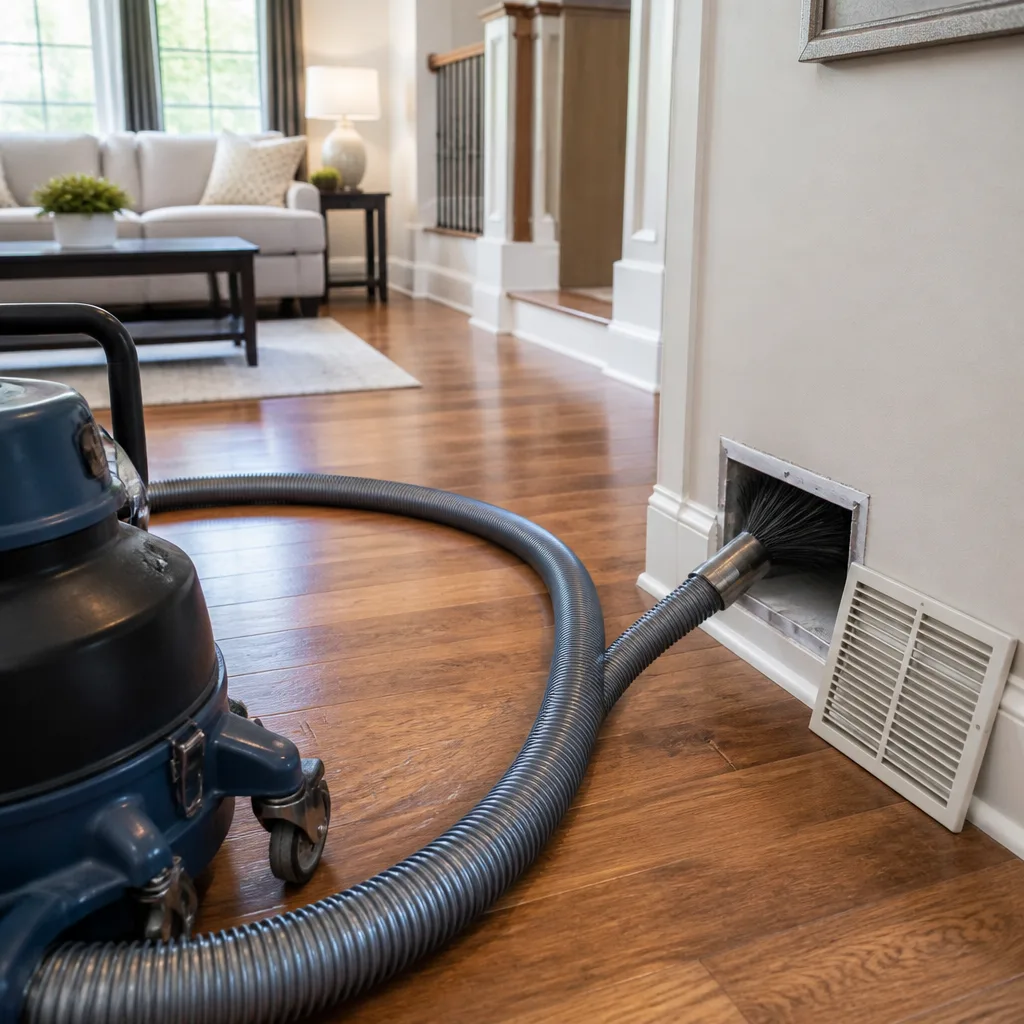 Whole-home duct cleaning
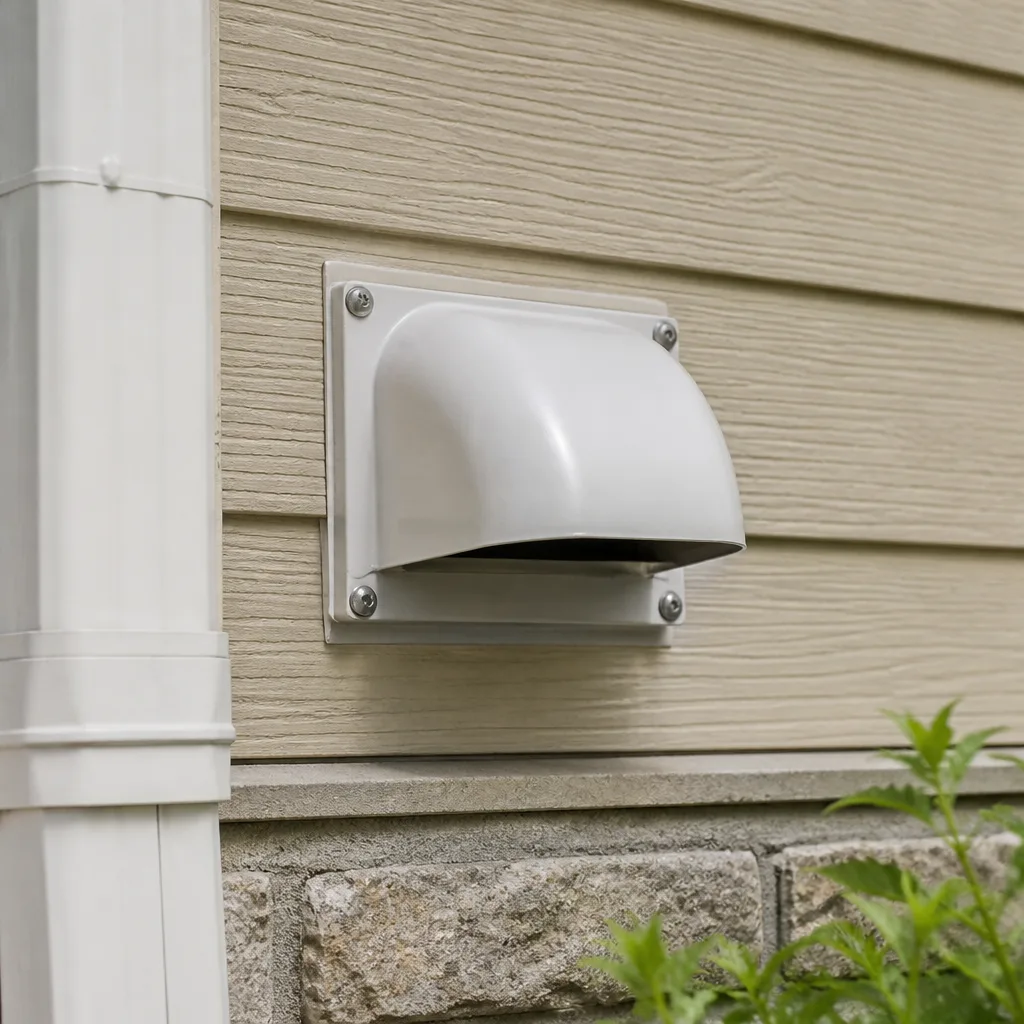 Dryer vent cleaning
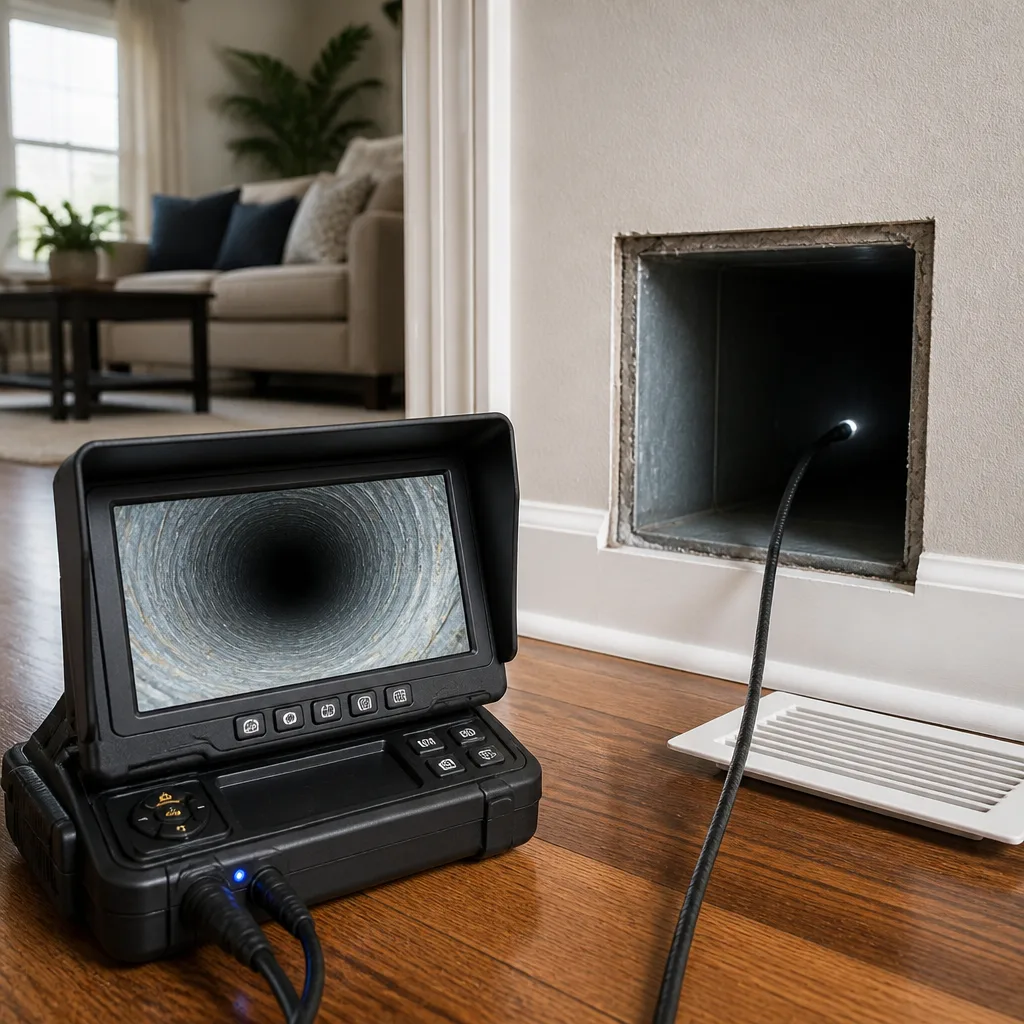 Camera inspection
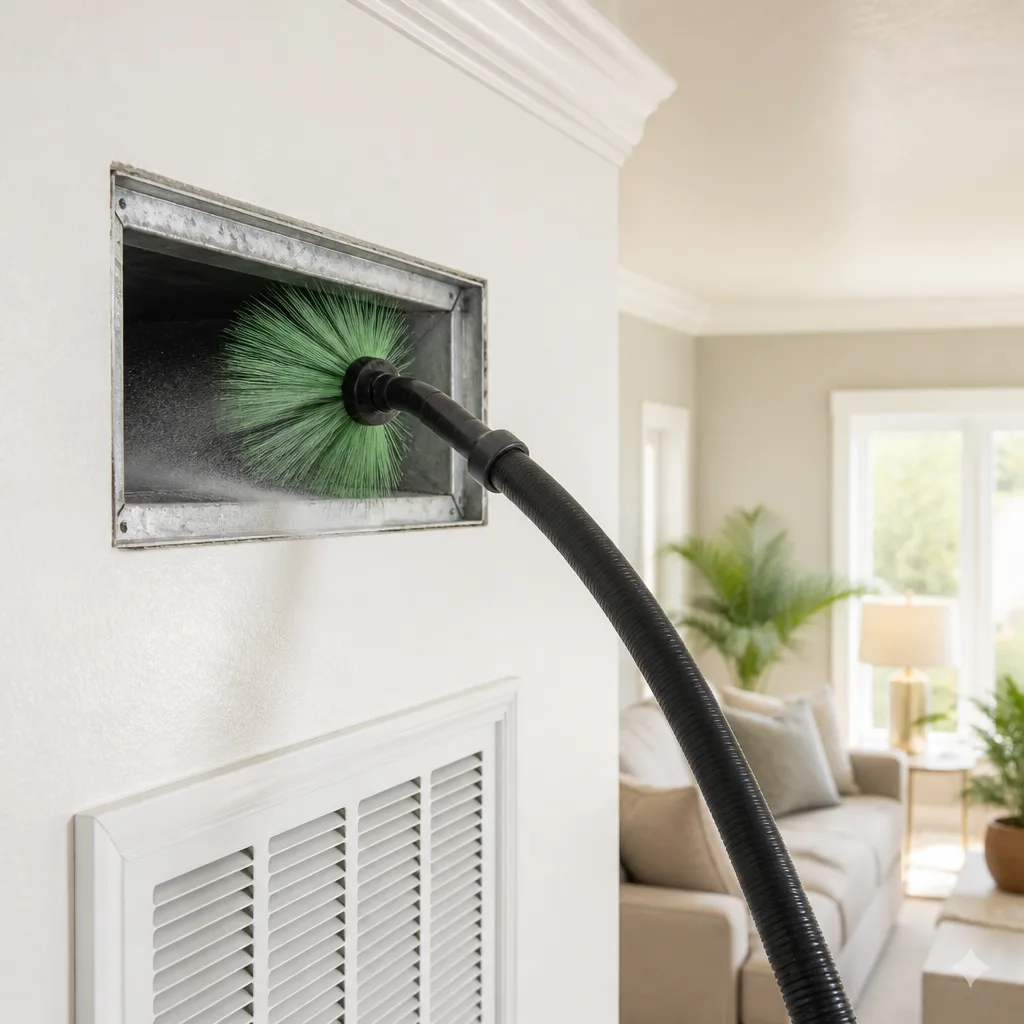 Sanitizing & deodorizing
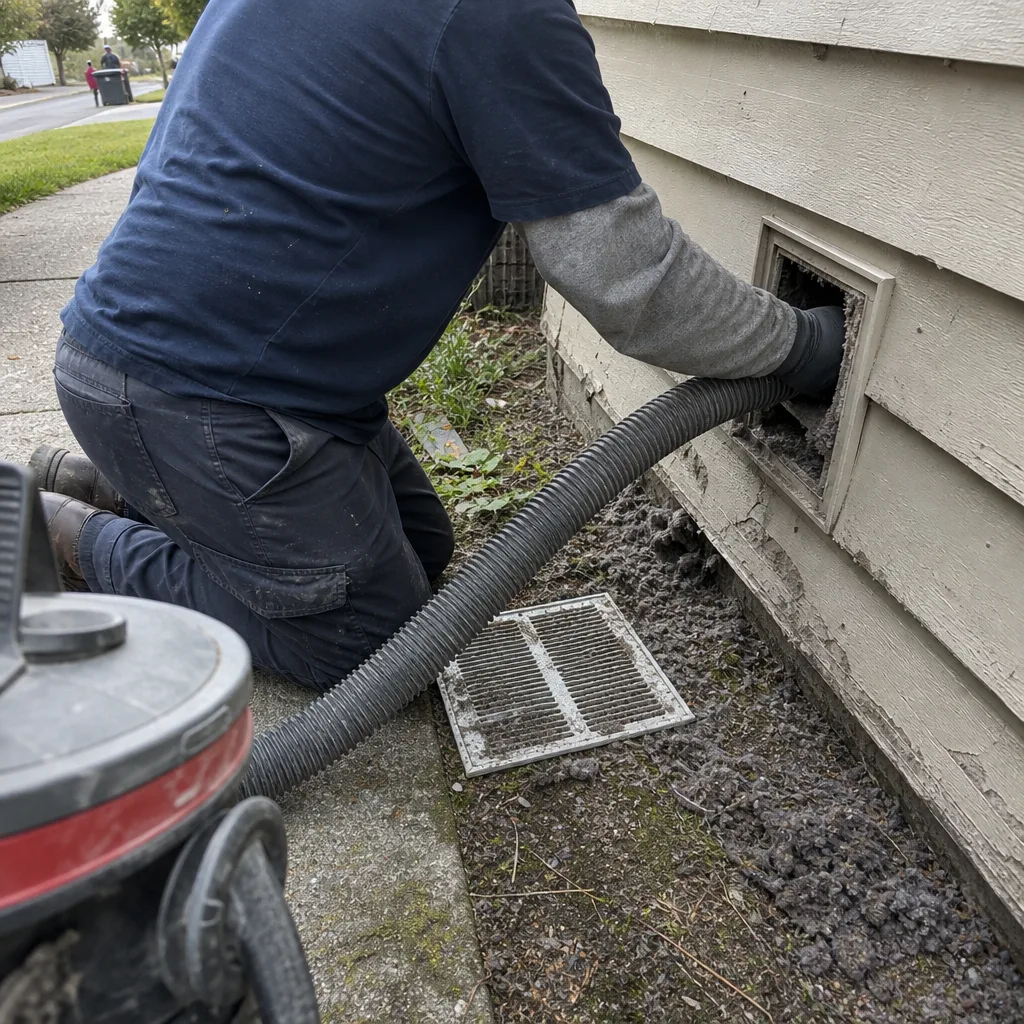
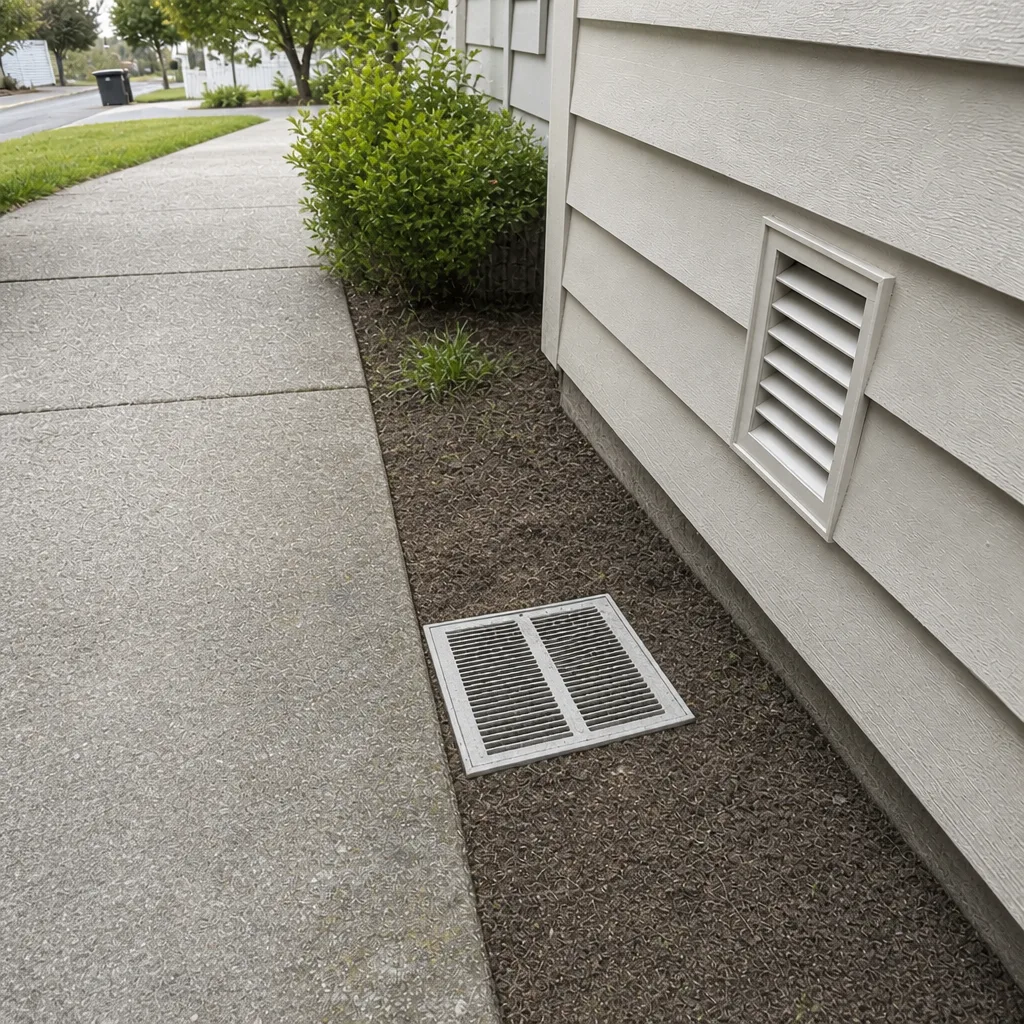
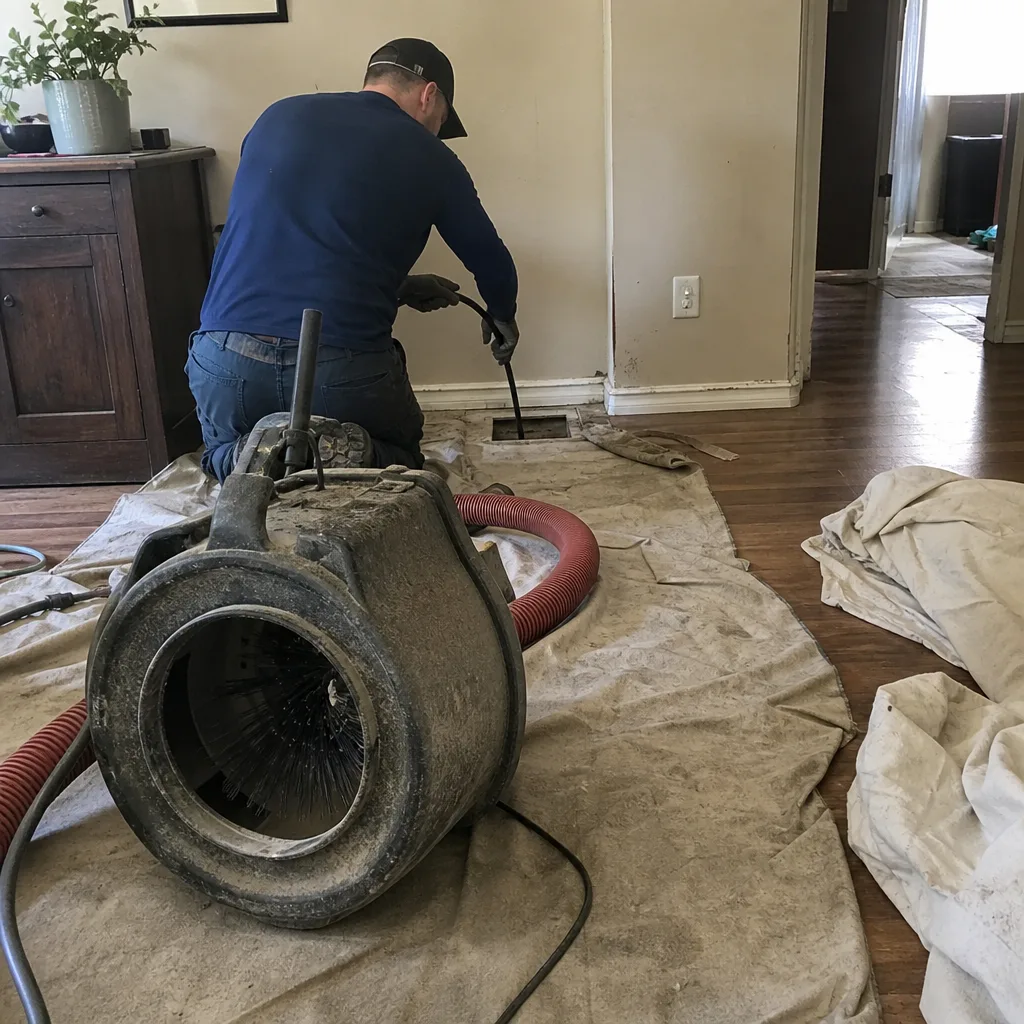
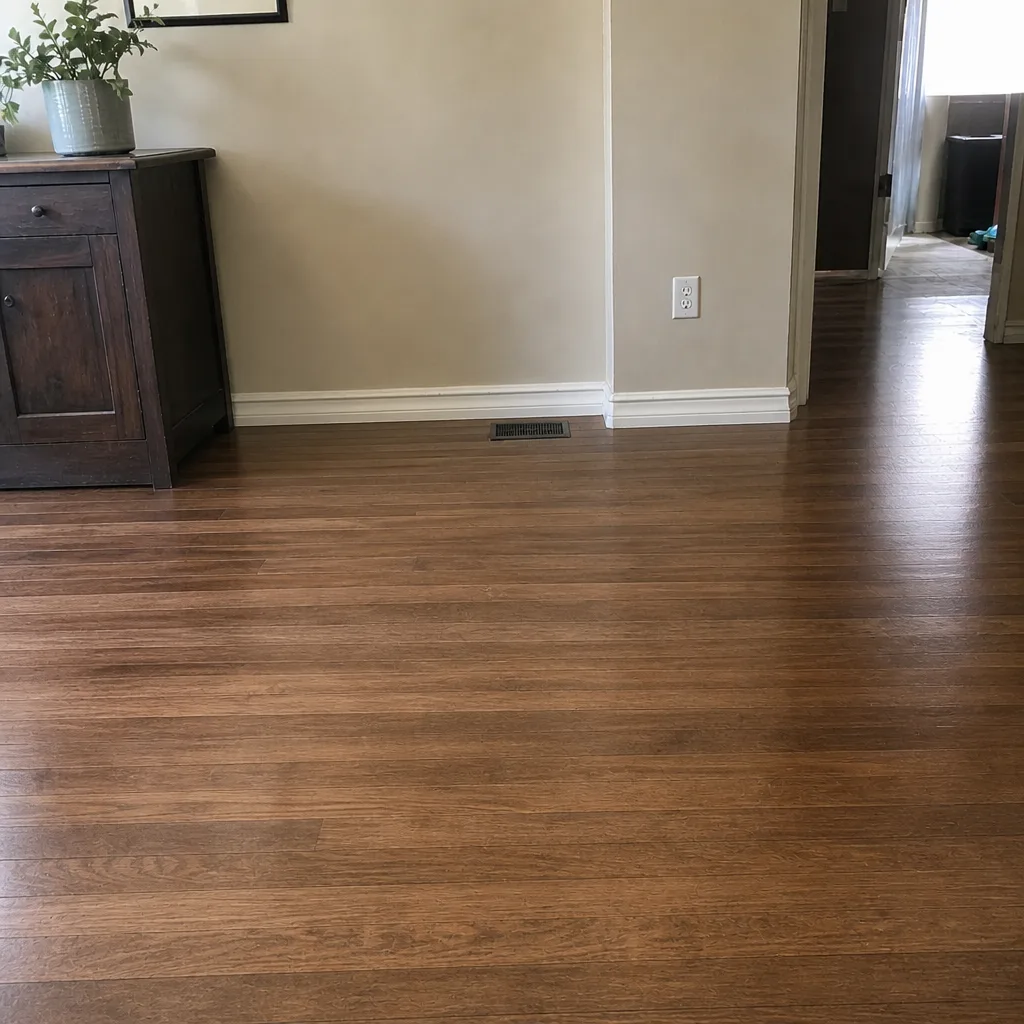
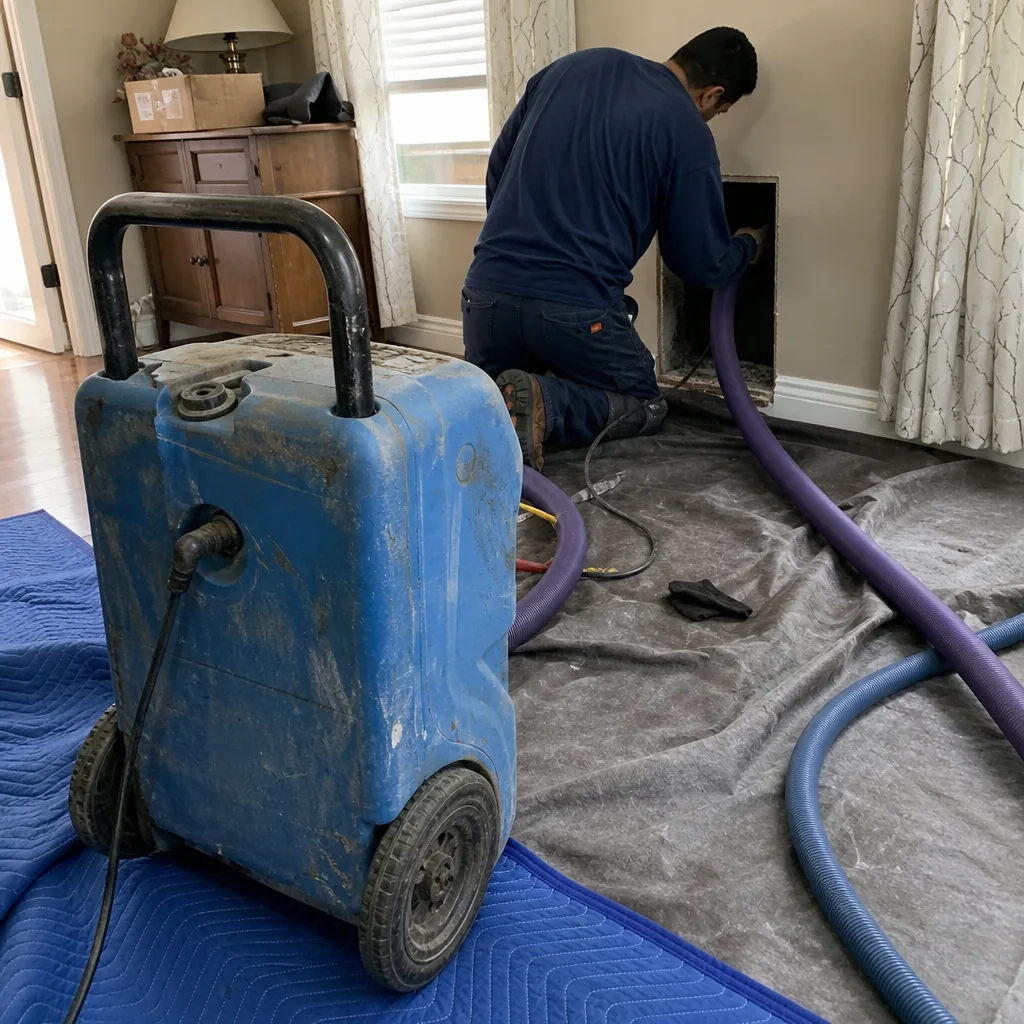
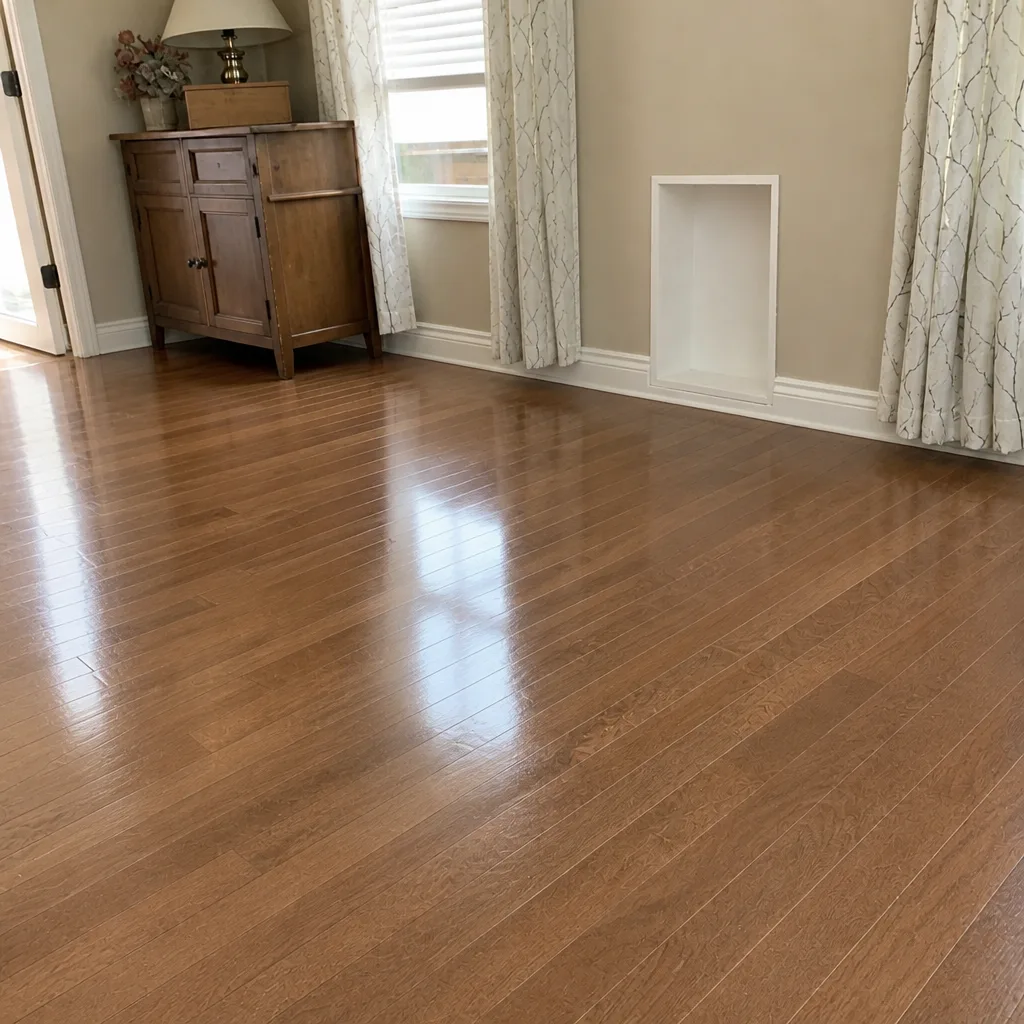
Whole-system duct and dryer vent check with before-and-after photos - you see exactly what came out of your vents
That "$99 whole-house special" is a bait ad - the real number appears once they are in your hallway, or the "clean" is a shop-vac at the register. We photograph the inside of your ducts before and after instead.
Air Duct Cleaning Cost Breakdown: The South Hill Homeowner’s Reference for 2026
Most cost guides give you a national range, and that range is technically true and practically useless. It tells you a small condo with a handful of vents and a two-story house with a dual-zone system and a crawl space air handler land in the same “average” bucket. They don’t. What actually determines your price in South Hill is your duct layout, where your air handler sits, what material the ducts are made of, and how much of the system you’re asking to have cleaned. This reference breaks down each of those drivers, shows what a full-system job includes line by line, and gives you a way to compare two quotes without getting distracted by the headline number.
Quick Answer
Air duct cleaning in South Hill in 2026 typically runs somewhere in the low hundreds for a small single-system home up to the low thousands for a large two-story with dual zones, a crawl space air handler, and add-on services like dryer vent cleaning or duct sealing. The number that matters isn’t the range – it’s the scope behind it. A quote is only meaningful when it states how many registers are covered, whether the return system is included, and whether the blower compartment gets accessed. Ask for those three things in writing before you compare a single dollar figure.
Styles & brands we work with
- Whole-home duct cleaning
- Dryer vent cleaning
- Camera inspection
- Sanitizing & deodorizing
Table of Contents
- Why National Averages Mislead South Hill Homeowners
- The Cost Factors That Actually Move the Number
- Line-Item Breakdown of a Full-System Job
- Add-On Services: What’s Worth It and What Isn’t
- How to Compare Quotes on Scope, Not Price
- Cost per Component: A Normalizing Metric
- South Hill Housing Stock and What It Means for Your Bill
- What Changes the Price Between Two Similar Homes
- Common Mistakes to Avoid
- When to Call a Professional
- Frequently Asked Questions
- The Bottom Line
Why National Averages Mislead South Hill Homeowners
A national average is a blend of every home type in every climate, and South Hill sits in a specific spot that average can’t capture. The typical South Hill house was built for a Pacific Northwest climate – mild, damp winters, dry summers, and a lot of time with the windows closed during the wet months. That matters because a system that runs a lot pulls a lot of air through the ducts, and a system that runs a lot accumulates debris faster than one that sits idle half the year.
Beyond climate, our housing stock concentrates so many price-driving variables that a single “average” number can’t survive contact with real quotes. Here’s what a South Hill address can look like:
- A single-story ranch with a garage-mounted air handler and a simple trunk-and-branch layout in the attic.
- A split-level with a crawl space air handler and flex duct runs that snake around floor joists.
- A two-story with a dual-zone system, two thermostats, and return air routed through a central chase.
- An older home with original sheet metal trunk lines and newer flex branch runs grafted on during a remodel.
Each of those homes needs a different setup, a different amount of equipment, and a different number of hours on site. When you get a quote for your South Hill home, the number should reflect the actual configuration of your system, not a formula based on square footage alone. If a bidder can’t tell you why their price is what it is, the price is a guess.
The Cost Factors That Actually Move the Number
Six factors account for nearly all the variation in duct cleaning quotes in South Hill. Understanding them lets you see whether a bid is reasonable for your home before you commit.
- Number of registers and returns. Every register needs to be removed, cleaned, and reinstalled, and every return run needs to be cleaned and captured. A 900-square-foot home with 8 registers is a fundamentally different job than a 2,800-square-foot home with 22 registers and 3 returns.
- Air handler placement. An air handler in a garage or utility closet is quick to access. One in a crawl space or a tight attic requires more setup time, more careful containment, and sometimes a different vacuum connection point. Crawl space access in South Hill homes adds real labor time.
- Duct material. Flexible duct (flex) is the common run in most South Hill homes and is faster to clean because it’s accessible end to end. Sheet metal trunk lines are durable but can have hard-to-reach branches and seams that need individual attention.
- System accessibility. A system with clean access panels, an open plenum, and no modifications needed moves quickly. A system where the previous installer sealed every panel with mastic, or where a return was cut in without a proper collar, adds time.
- Level of contamination. A lightly dusty system that’s been cleaned at some point is faster than one that hasn’t been touched since construction. Heavy debris, rodent activity, or post-renovation drywall dust can require slower passes and additional containment setup.
- Scope of services. Duct cleaning alone is one price. Adding dryer vent cleaning, duct repair and sealing, or air sanitizing changes the job. So does adding the blower compartment or the return air system if a competing bidder left those out.
Notice what isn’t on that list: the brand of equipment. A company using a shop vac and a brush is charging for the same “duct cleaning” as a company running a Rotobrush rotary contact system and a Nikro negative-air HEPA unit. The scope sounds the same on paper and produces entirely different results. That’s why comparing on price alone gets you into trouble.
Line-Item Breakdown of a Full-System Job
The most useful way to read a quote is to see which components are included. A full-system job covers five things: the main trunk, the branch runs, the registers and grilles, the return air system, and the blower compartment. Not every company includes all five, and the difference between a bid that covers three of them and one that covers all five is often the difference between the lowest quote and the middle one.
Here’s what each component typically represents as a share of the total:
- Main trunk cleaning. The large duct running from the furnace or air handler to the branch takeoffs. Usually one of the larger line items because it requires the most aggressive contact cleaning and the most vacuum capacity.
- Branch runs. The smaller ducts feeding individual rooms. Typically the biggest variable, since the count per home ranges so widely on South Hill properties.
- Registers and grilles. The visible supply and return vents. Removal, cleaning, and reinstall. Small per unit cost, but the total depends on count.
- Return air system. The paths that carry air back to the air handler. Frequently priced separately and often skipped in cheaper quotes.
- Blower compartment access. The blower housing is where a lot of debris settles, and it’s also where the system can pull that debris into the air stream. Some companies clean it as part of the job, some don’t touch it. Ask.
A full-system quote in South Hill might read like a block price rather than five separate lines, and that’s fine – a flat price per system is how we prefer to quote. What matters is that the quote confirms all five components are in scope. If your quote says “clean duct system” and nothing else, ask the company to spell out what’s covered. If they can’t, that’s your answer.
What happens with the debris
Contact cleaning means a brush physically agitates the debris loose from duct surfaces. A rotary system like Rotobrush pushes a spinning brush head through the duct while a negative-air machine, like the Nikro HEPA-rated units we use, pulls a vacuum through the system upstream of the brush. The debris loosens, gets captured, and leaves the home through the vacuum. This is the same general approach used in commercial and remediation-grade work, and it’s how you know the material isn’t just being pushed into the next room or into your living space.
Abatement Technologies equipment is part of the standard toolset for jobs where containment matters – older homes in South Hill with a lot of fine debris, homes where the ducts have been exposed to a remodel, or any scenario where the risk of cross-contamination goes up. If the crew shows up with a shop vac and nothing else, the scope is smaller than the labels suggest.
Add-On Services: What’s Worth It and What Isn’t
Add-ons are where a quote can balloon past what you actually need. Some are essential and some are optional depending on your home. Here’s the honest ranking.
- Dryer vent cleaning: usually worth it. Dryer vents are a leading cause of residential fires, and they’re frequently ignored by companies that only do HVAC work. If you can’t remember your dryer vent ever being cleaned, or if your dryer takes two cycles to dry a load of towels, this is a real service with a real reason. Cleaning it is a standalone service, so you can add it to a duct job or book it on its own.
- Duct sealing: worth it if there’s a real leak. If the cleaning turns up a disconnected section, a torn flex run, or a joint that’s leaking into the crawl space, sealing it makes the system work better after you’ve paid to clean it. We include duct repair and sealing in scope when we find it, so it happens on the same visit instead of being referred out to a second contractor. Paying for sealing when there’s no leak is not worth it.
- Air sanitizing: worth it in specific scenarios. After a pest issue, a mold concern, or a major renovation, a sanitizing pass makes sense. Guardsman surface treatment products are part of the process when sanitizing is on the job. As a routine add-on to a clean system, the benefit is marginal.
- UV or in-duct filtration upgrades: worth it if you’re sensitive. If someone in the household has significant allergy or asthma symptoms, or if you want to bring in additional filtration, Honeywell and Aprilaire products can be added to the system as a permanent addition. Those are the brands we stock and install, and we tie the recommendation to what we actually find during cleaning, not to a menu item.
- Furniture moving, minor wall patching, or “system tune-ups” folded into a duct invoice: usually not worth it. If it wasn’t on the written quote and it isn’t tied to something the crew found in the ducts, you can decline.
The pattern is straightforward. Add-ons are worth paying for when they solve a condition the technician can point to and photograph. They’re a waste when they solve a problem that was assumed before anyone arrived.
How to Compare Quotes on Scope, Not Price
Two quotes for $X and $Y can be the same value. Two quotes for the same $X can be wildly different value. The only honest comparison is scope against scope, and the fastest way to do that is to ask five specific questions of every bidder.
- How many registers and returns does your quote cover, and is the count based on my actual system?
- Is the return air system included, or is that a separate line?
- Is the blower compartment accessed and cleaned?
- What specific equipment is used for contact cleaning and what captures the debris?
- What happens if you find a leak, a tear, or a disconnected section during the job – do you repair and seal it on the same visit, or do I need another contractor?
A quote that answers all five is a real quote. A quote that answers two of them isn’t a lower price for the same work; it’s a lower price for less work. This is the most common reason the “cheapest quote” turns out to be more expensive in the end – not because the low bidder is dishonest, but because they scoped something different from what you assumed everyone was quoting.
Ask every bidder for photos. South Hill Air Duct Cleaning documents conditions before and after a job, so the homeowner sees what was there and what changed. A company that won’t put a camera in the duct before and after the cleaning isn’t giving you a basis to verify the work. That documentation matters more to your evaluation than any amount of marketing language on a website.
Cost per Component: A Normalizing Metric
When you can’t get an apples-to-apples block price, a per-component rate gives you a way to see whether a quote is in line with the market. In South Hill in 2026, the two useful rates are per register and per linear foot of main trunk.
Per register. This is the cleanest metric for comparing homes of different sizes. A quote for a home with 12 registers and a quote for a home with 20 registers shouldn’t be compared directly; divide each by its register count and compare those numbers. The per-register rate typically falls in a moderate band around the middle of the range. If a quote is significantly above the band for a straightforward single-story home, ask what’s driving it. If it’s significantly below, ask what’s being left out.
Per linear foot of trunk. Less commonly quoted to homeowners but useful when the bids vary widely. The main trunk is the biggest single run and it’s where a lot of the labor goes. A per-foot rate in the usual range is reasonable for straightforward sheet metal or flex; a rate far outside the band deserves an explanation.
Per return. Return runs are often the line item that separates a thorough quote from a quick one. Some companies charge a modest amount per return; some fold returns into the block. Either is fine, as long as it’s spelled out.
- A single-story South Hill ranch with 10-14 registers, one air handler in the garage, and a straightforward trunk is a shorter job. Per-register rate should land in the lower part of the band.
- A two-story South Hill home with dual zones, 18-24 registers, and a crawl space air handler is a longer job with more setup. Per-register rate may be at or slightly above the top of the band, and that’s not unreasonable given the additional access work.
- A split-level with flex duct can go either way. The flex runs are fast to clean, but the routing through floor cavities can slow access.
An estimate is free, and the written estimate sets the final price. That means the number you see in writing is the number you owe, so getting the written scope right before you book is the single best cost-control move you have. If you want to see what our per-system quotes look like for a home like yours, that’s the conversation to have before the appointment.
South Hill Housing Stock and What It Means for Your Bill
The South Hill area spans a lot of residential types, and the homes you see on one street aren’t the same as the homes one neighborhood over. That variety drives cost just as much as square footage. A few patterns show up over and over.
Post-war single-story ranches. The kind of house that defines much of South Hill. Usually a simple trunk-and-branch layout, air handler in the garage or a utility closet, sheet metal trunk with newer flex branches added over time. These are the most predictable jobs.
Split-levels. Common in South Hill, and the reason is simple – the grade changes. These homes often have the air handler in a crawl space or on a mid-level landing. Crawl space access adds setup time and requires more careful containment because the work area is confined.
Two-story homes. More registers, sometimes dual zones, usually with a return air chase running through the middle of the house. Dual-zone systems mean two air handlers or one air handler with zoning dampers, and both configurations take longer to clean than a single-zone system.
Recent builds and remodels. Newer construction tends to have flex branch runs throughout and a well-marked access setup, which speeds things up. But recently finished homes can also have construction debris in the ducts that a standard pass won’t fully clear. Post-renovation cleaning is a distinct scope, and it should be quoted as such.
One local factor that doesn’t show up on a national average but does matter here: our wet season means doors and windows stay closed for months, and the HVAC system runs more total hours during that stretch than a system in a drier climate. More run time means more opportunity for dust and allergens to move through the system and settle in the ducts. It’s not a dramatic effect on any single job, but it’s a good reason to schedule air duct cleaning on a routine cadence rather than waiting until the smell is obvious. Our technicians have up to 14 years of experience reading exactly these signals in South Hill homes, and they can usually tell you within a few minutes whether the system needs a deep pass or a routine one.
What Changes the Price Between Two Similar Homes
Two homes on the same block, same approximate size, same decade of construction, and different quotes. Why? A handful of details that don’t show up until the technician is on site.
- Access panels. Some systems have clean, serviceable panels on the trunk and returns. Some don’t, and the technician has to cut and re-seal access, which adds time.
- Previous modifications. A prior homeowner who added a bathroom, a mini-split, or an addition may have left the duct system spliced in ways that need extra attention.
- Duct condition. Flex duct that’s sagging, pinched, or poorly supported takes more time. A section that’s partially disconnected can’t be cleaned until it’s reconnected.
- Pest evidence. Rodent activity in attic ducts is a legitimate cost variable, and it’s one reason a home with clean history prices lower than one that needs extra containment and sanitizing.
- Add-on services. A quote that includes HVAC cleaning of the air handler alongside duct cleaning is a different job than duct cleaning alone. That’s not a higher price – it’s a wider scope.
When you’re lining up two quotes, don’t treat them as competing bids until you’ve confirmed the scope matches. The lower quote isn’t competing on price if it’s scoped to clean fewer things.
Common Mistakes to Avoid
- Comparing headline prices without comparing scope. A $X quote and a $Y quote can both be fair if they cover different work. Confirm registers, returns, and blower access are all in scope before you compare.
- Skipping the camera inspection. If a company won’t put a camera in the ducts before and after, you have no basis to know the work was done. Before-and-after photos are standard on any job worth paying for in South Hill.
- Assuming the lowest bid is the best value. The lowest bid is often scoped differently, not priced more competitively. Ask what’s left out. It’s usually the return system or the blower compartment.
- Paying for upsells that weren’t earned by a finding. A UV system or a “system tune-up” makes sense when it responds to something the technician found and documented. Not when it’s on a menu before the crew arrives.
- Ignoring the dryer vent. It’s a separate system from the HVAC ducts, and it’s often the more urgent one. Lint buildup is a fire hazard, and it doesn’t get cleaned when the HVAC ductwork is cleaned unless you ask for it.
- Booking based on a coupon without asking what’s in it. A coupon price can be honest, but you should still see in writing what it covers and what the total will be if the system needs more. The written estimate sets the final price.
- Waiting for visible dust before booking. By the time dust is visible at the registers, the trunk and branch runs are usually well past routine. Routine cleaning costs less than a deeper recovery job after a long stretch.
When to Call a Professional
Some duct conditions are safe to watch. Others need a professional quickly. Call for an inspection if any of the following is true: you’ve had recent renovation work and the ducts are original; you notice a musty or rodent smell when the system runs; someone in the home has persistent allergy symptoms that seem connected to the HVAC system; you see dust streaming from a register or visible debris in a return; your dryer takes more than one cycle to dry a normal load of towels, which often points to a clogged dryer vent; or the air handler has lost suction and you suspect a disconnected or torn duct. Those are the conditions where a same-day visit or a scheduled inspection pays for itself.
If you’re just unsure whether the system is due, the free estimate is the right starting point. We answer 24/7, and South Hill Air Duct Cleaning offers free estimates in South Hill – call (855) 510-1735. Fast dispatch from 7am to 7pm, Sunday through Friday. The technician who arrives will tell you what the system looks like and what it needs, not what a menu says it should have.
Frequently Asked Questions
In South Hill in 2026, most residential duct cleaning estimates fall somewhere in the low hundreds of dollars for a small single-system home up to the low thousands for a full-system job with dual zones, crawl space access, and add-on services. The written estimate sets the final price, and the number depends on register count, return system scope, and blower access. Call (855) 510-1735 for an exact quote – estimates are free.
Cheaper quotes are usually scoped differently, not priced more competitively. The typical gaps are the return system, the blower compartment, and the number of registers actually covered – or equipment that doesn’t include a HEPA-rated negative-air capture. Ask exactly what’s included before comparing a headline number against a broader quote. Call (855) 510-1735 and we’ll walk you through what a full-system scope looks like for your home.
Ask for before-and-after photos of your own ducts, including the trunk and at least one return run. Any job worth paying for should be documented that way. We photograph conditions before and after every job in South Hill, so you know what changed rather than taking a crew’s word for it. Call (855) 510-1735 for an estimate and we’ll explain what you’ll receive.
Most South Hill homes do fine on a routine cadence measured in years, though the right interval depends on the home – renovations, pets, allergies, and how often the system runs all move it. If you notice odors, dust at the registers, or allergy symptoms that track with HVAC use, don’t wait for the calendar. Call (855) 510-1735 and we’ll give you an honest interval based on what we see.
Usually you don’t need to leave, and you don’t need to empty the whole house. Move small items and anything fragile away from the registers and the air handler access before the crew arrives. Most of the work happens at the registers and the air handler, so large furniture in the middle of rooms usually won’t be in the way. Call (855) 510-1735 if you have specific access concerns about your South Hill home.
No, dryer vent cleaning is a separate service and a separate system from your HVAC ducts. It’s worth asking for it at the same time if it’s been a while, because dryer lint is a fire hazard and won’t be cleared by an HVAC-only job. We offer it as a standalone service and combine it with duct work when the timing works. Call (855) 510-1735 for a free estimate on either.
The Bottom Line
The honest answer to “what does duct cleaning cost in South Hill” isn’t a single number – it’s a range, and the range is set by your duct layout, air handler placement, duct material, and scope. Three things matter more than the headline price: all five components of the air pathway being included (trunk, branches, registers, returns, blower), the equipment being used (Rotobrush contact cleaning and Nikro negative-air capture are the standard), and the documentation you get before and after. If you compare quotes on those three things, the low bid usually identifies itself as the narrow one rather than the better price.
Ready to Know What Your System Actually Needs?
South Hill Air Duct Cleaning handles air duct cleaning, dryer vent cleaning, HVAC cleaning, duct repair and sealing, and air quality and sanitizing in-house – one provider across the full air pathway, with Honeywell and Aprilaire filtration expertise when an upgrade makes sense for your system. Estimates are free, and the written estimate sets the final price. Call (855) 510-1735. We answer 24/7. Fast dispatch from 7am to 7pm, Sunday through Friday. Ask us what we found during the inspection, and we’ll show you.
Written by the team at South Hill Air Duct Cleaning.
See the difference
 Before
 After
 Before
 After
 Before
 After