
Last updated November 25, 2026
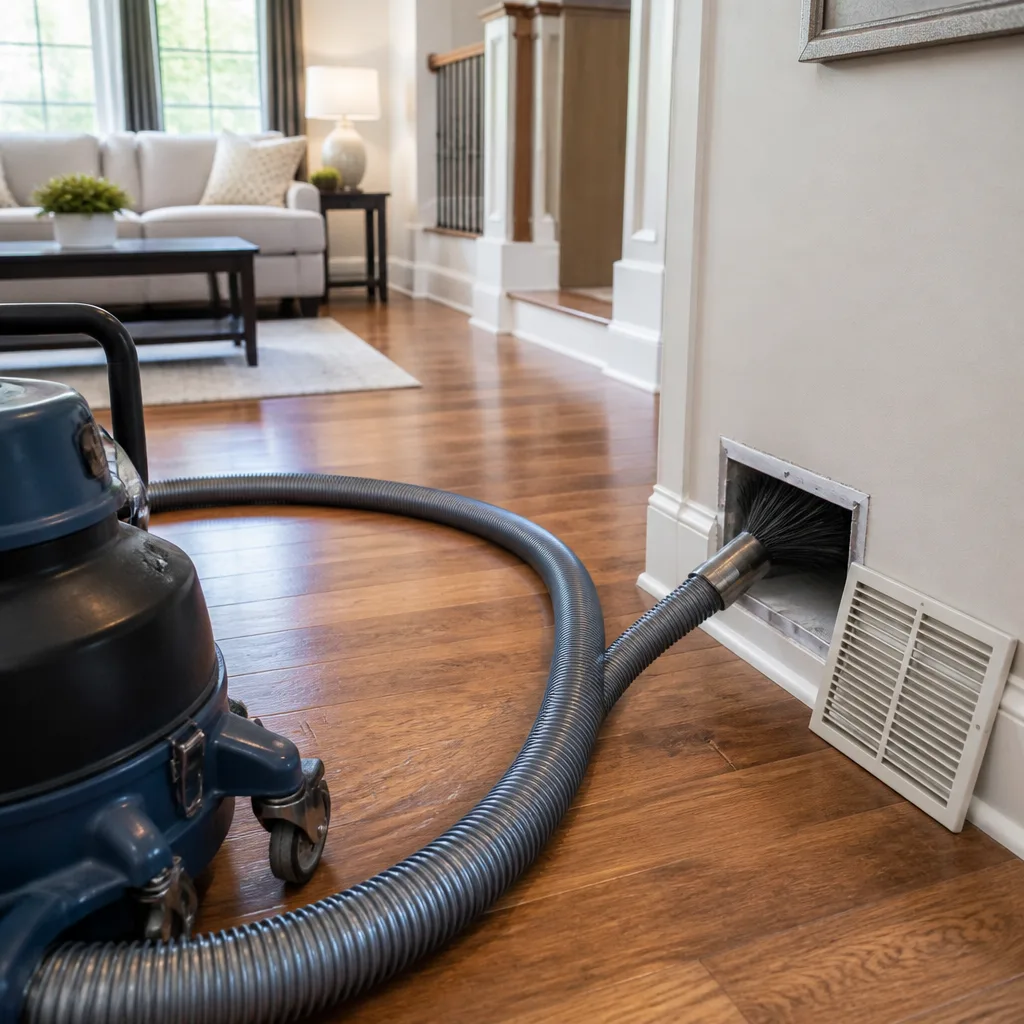 Whole-home duct cleaning
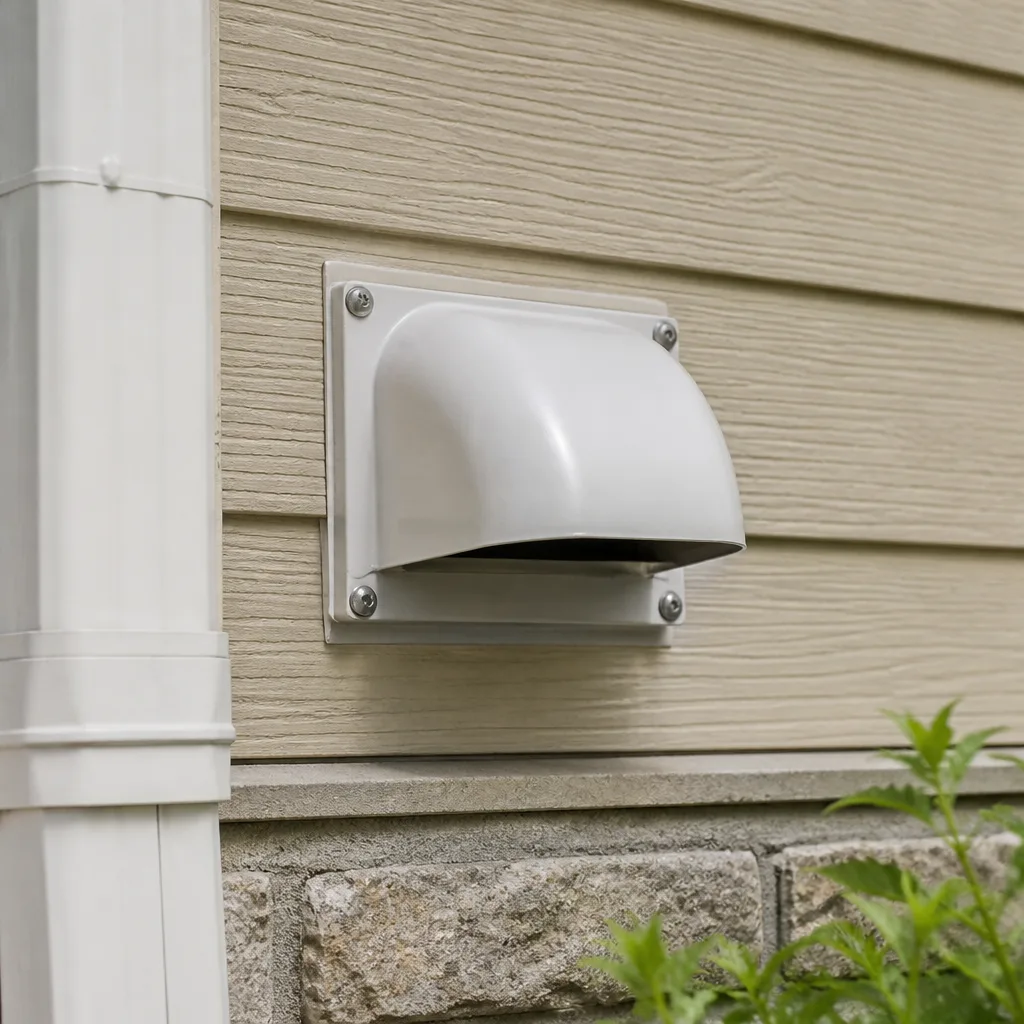 Dryer vent cleaning
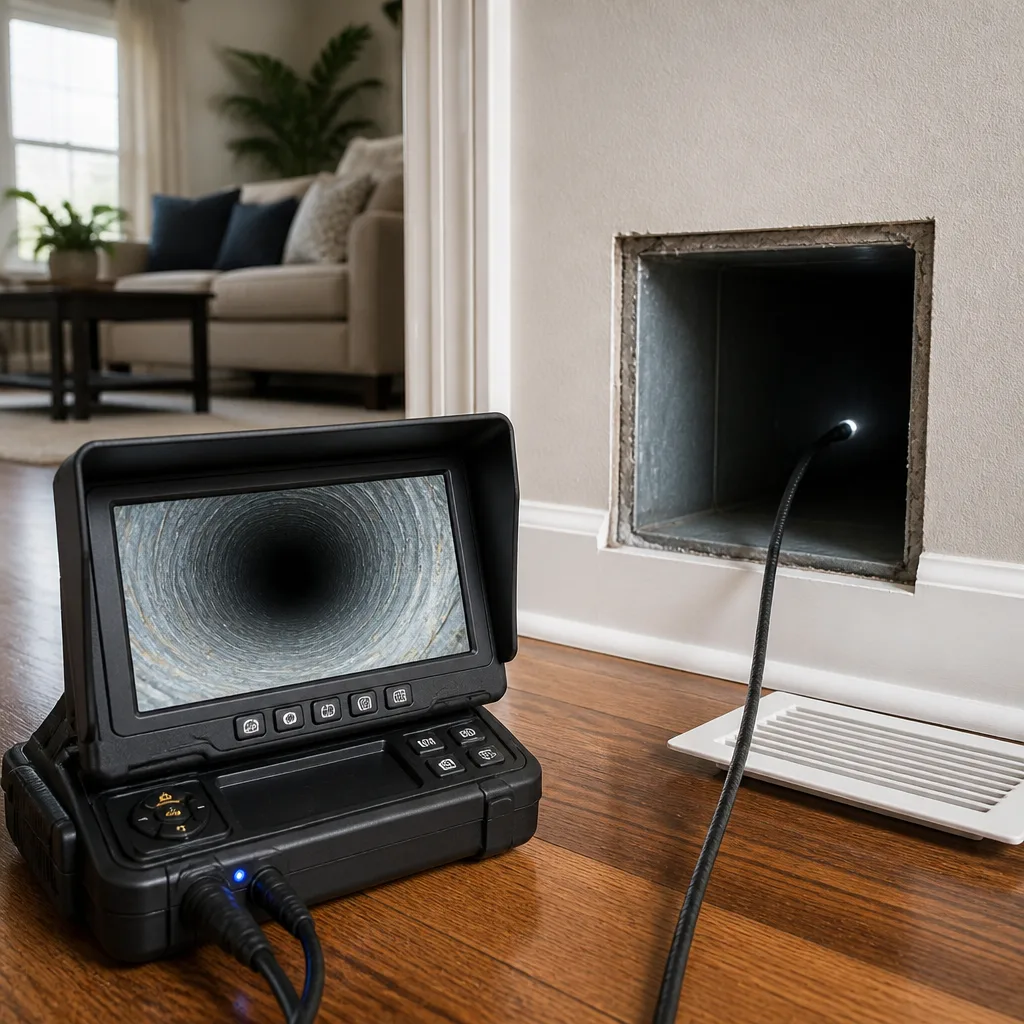 Camera inspection
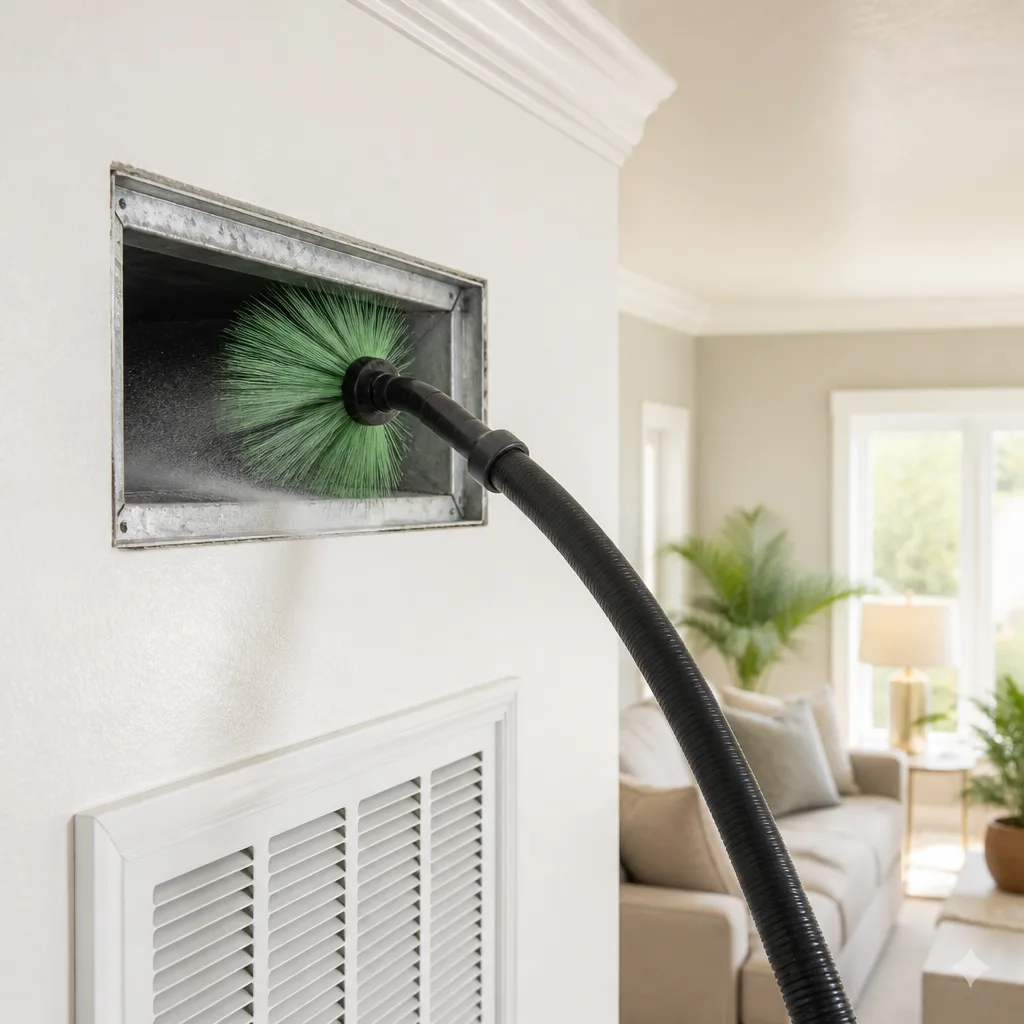 Sanitizing & deodorizing
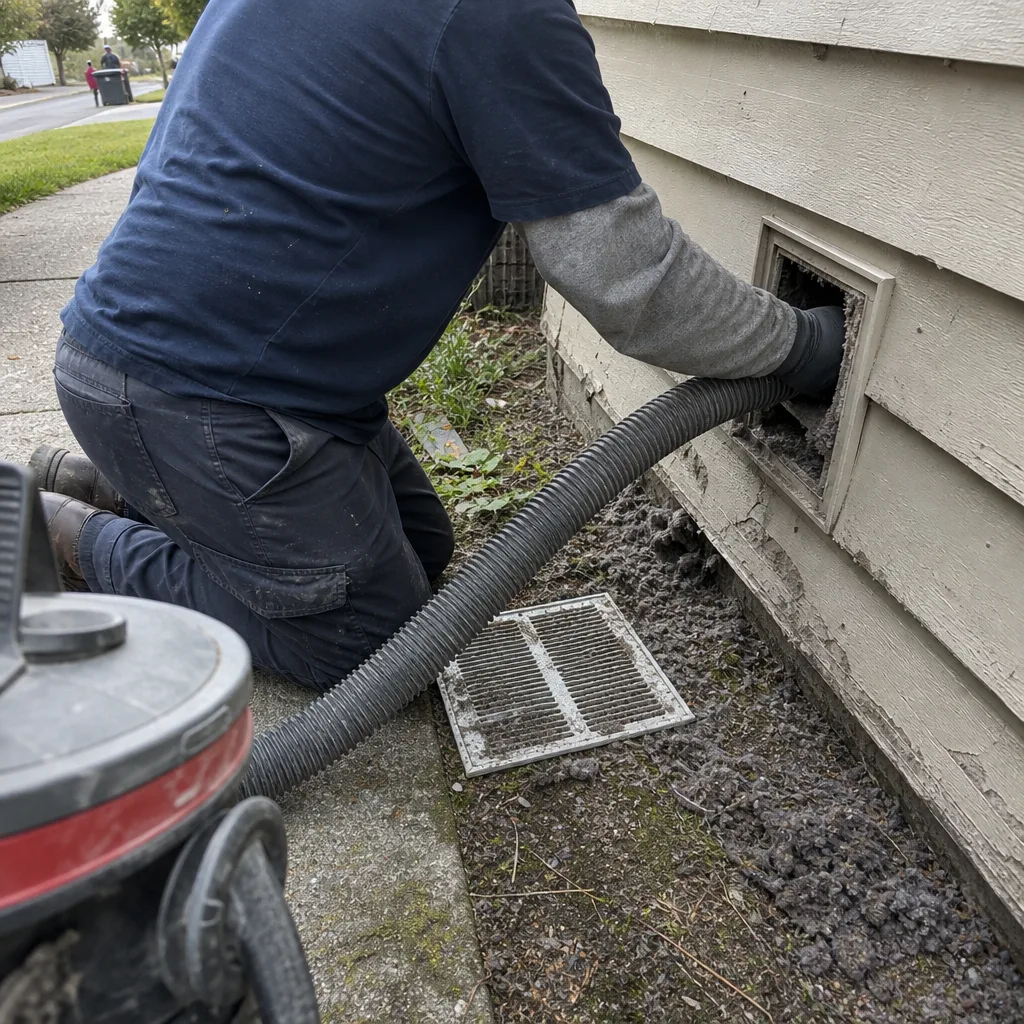
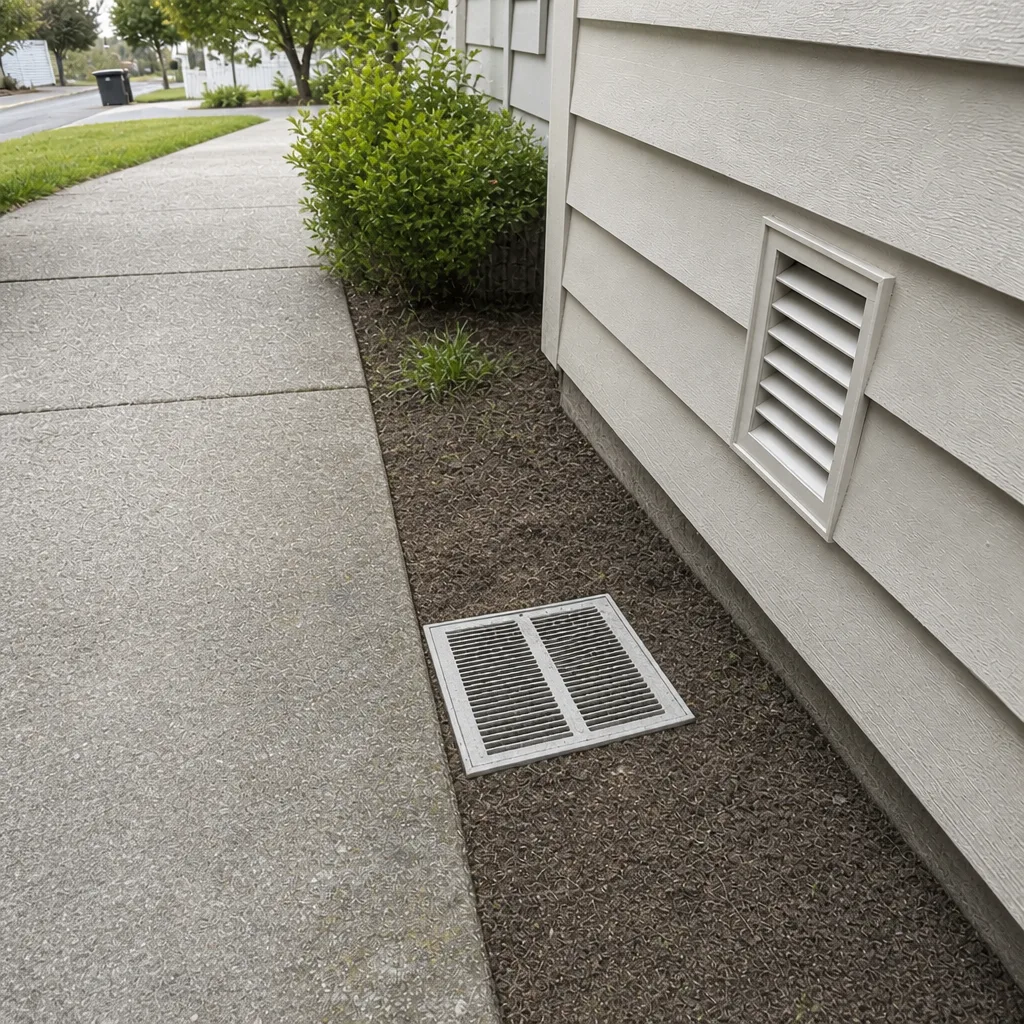
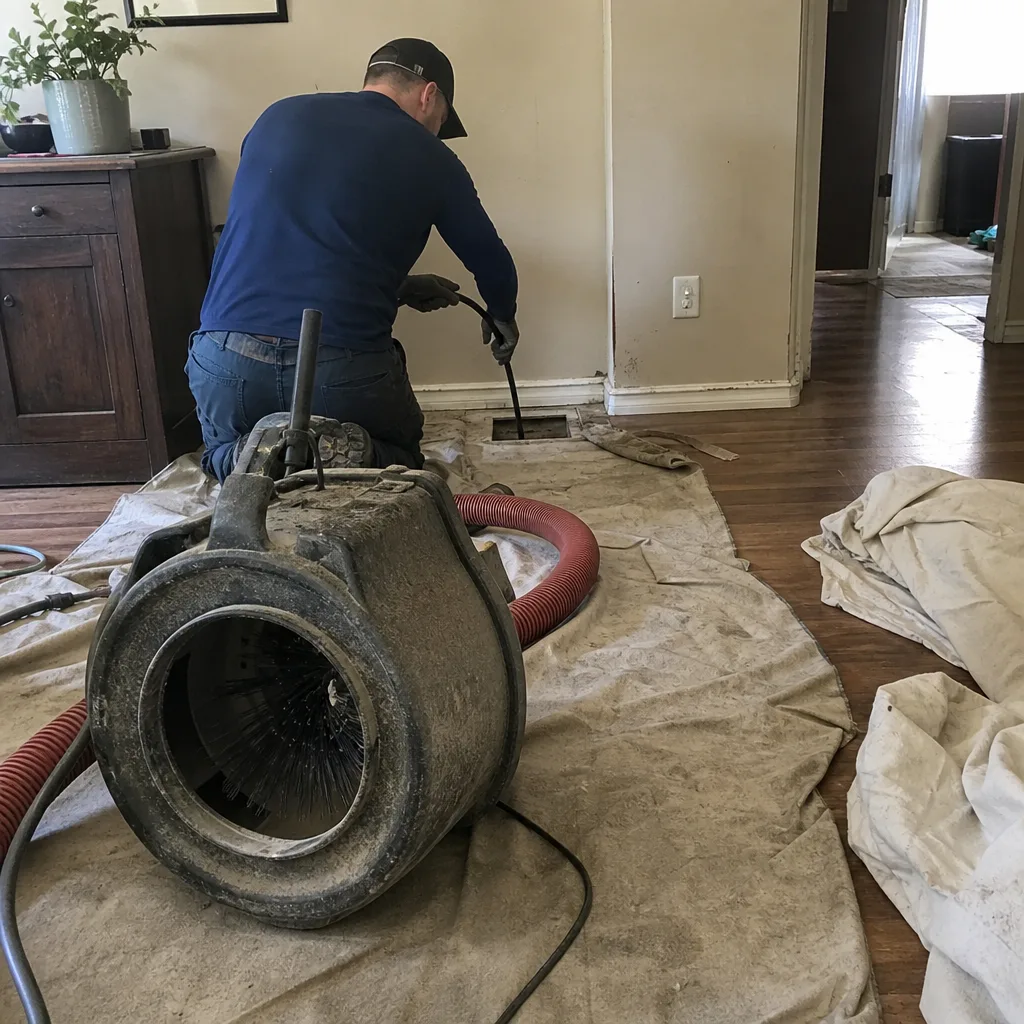
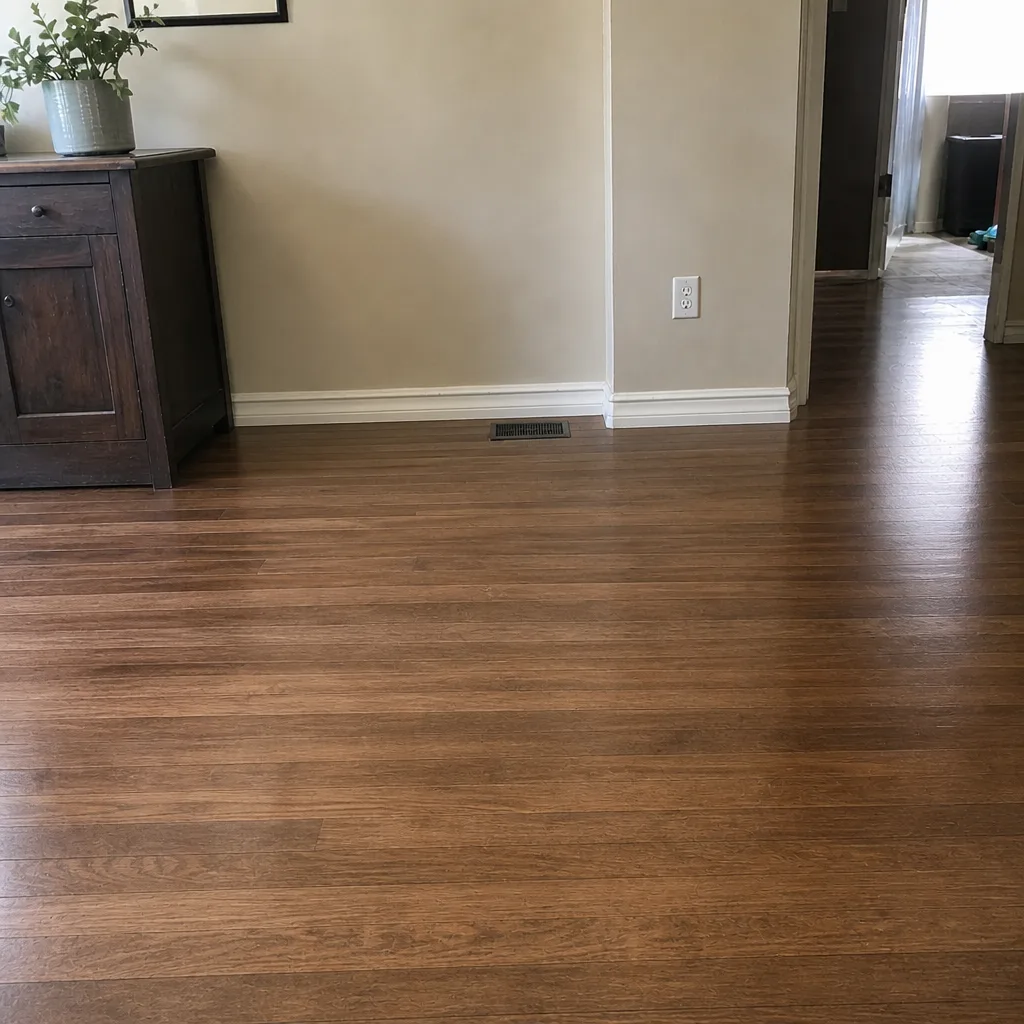
Whole-system duct and dryer vent check with before-and-after photos - you see exactly what came out of your vents
That "$99 whole-house special" is a bait ad - the real number appears once they are in your hallway, or the "clean" is a shop-vac at the register. We photograph the inside of your ducts before and after instead.
Air Duct Cleaning Permits, Codes & Inspections in South Hill, WA: What You Need to Know
No one pulls a permit to clean a duct. That surprises people. Cleaning is maintenance: brushes agitate debris, negative-air equipment captures it, and nothing about that changes how a home is built. But when a cleaning visit turns up a disconnected trunk line, a failed plenum connection, or crushed flex duct that has to be replaced, the work stops being maintenance and starts being mechanical alteration. In Pierce County that shift matters, because it sits under Washington State mechanical codes. In this guide we walk through where the line sits, what South Hill homeowners should document even when no permit is needed, how HOA rules in planned communities stack on top of code, and how to verify a contractor before anyone touches your system.
Quick Answer
Standard air duct cleaning in South Hill, WA does not require a permit. Mechanical repair or modification of ductwork, such as replacing flex runs, reconnecting a plenum, or altering the layout of the system, may require a permit from Pierce County under the state mechanical code (WAC 51-52). When in doubt, ask your contractor which category the work falls into and get it in writing before work starts.
Styles & brands we work with
- Whole-home duct cleaning
- Dryer vent cleaning
- Camera inspection
- Sanitizing & deodorizing
Table of Contents
- Cleaning vs. Repair: Where the Permit Line Sits
- What WAC 51-52 Covers and Why It Applies to You
- Duct Sealing: Maintenance or Regulated Work?
- What to Document Even When No Permit Is Required
- HOA Rules in South Hill Planned Communities
- How to Verify a Contractor Before Work Starts
- Inspections: What to Expect and When They Apply
- Why Permits and Paperwork Matter at Resale
Cleaning vs. Repair: Where the Permit Line Sits
Air duct cleaning sits on the maintenance side of the line. You’re removing accumulated debris from a system that was already built and approved. No structural change, no new components, no altered path for conditioned air. That is why a straight cleaning job in South Hill does not need a county permit.
The problem comes when cleaning reveals a problem. Duct systems in Pierce County homes, especially those built during the rapid subdivision growth of the 1990s and 2000s, often have flex runs that sag, disconnect, or get crushed behind drywall. Sometimes the discovery is obvious: a supply register with no measurable airflow. Sometimes it’s subtle: a trunk line that was never fully sealed at the takeoff and has been leaking into a crawlspace for years.
When a technician finds a condition like that, the fix can fall into one of two categories:
- Maintenance repair – re-taping a loose joint, re-sealing a boot, replacing a short section of flex duct at a register connection. Usually no permit required.
- Mechanical modification – replacing a full run, altering the layout of supply or return branches, adding or removing a trunk connection, changing the path of a system. This can trigger Pierce County permitting under the state mechanical code.
The honest answer is that the boundary between the two categories isn’t always obvious from a quick look. A leaking joint that turns out to be a broken takeoff is a very different job than it appears from the register side. That’s why we document conditions before we do anything, and why we tell the homeowner which category a fix falls into before starting. When repair and sealing are needed, we handle them in-house, so you’re not left coordinating between a duct cleaner and a separate contractor who may or may not agree on scope.
The other part of this picture: cleaning itself is what we do for a living, and it’s covered in detail on our air duct cleaning page. The permit question is a separate layer that sits on top.
What WAC 51-52 Covers and Why It Applies to You
The Washington State Mechanical Code is adopted through WAC 51-52, and it governs installation, alteration, repair, replacement, and maintenance of mechanical systems in buildings. That includes ductwork. Pierce County enforces it locally through the Planning and Public Works department, and enforcement is usually triggered when a permit is pulled or an inspection is required in connection with other work.
In practical terms, here’s what falls under the code’s scope:
- Duct sizing and material standards – the type of duct used and whether it meets code for the application. Replacing a sagging run with a smaller-gauge flex than required is a code problem, not just a comfort problem.
- Sealing requirements – the code addresses how duct joints and connections must be sealed. Not every seal you see in an older home meets current standards.
- Venting paths – where exhaust air goes, how dryer vents terminate, and how supply and return paths are arranged. This matters most when a dryer vent is rerouted or a mechanical room is reconfigured.
- Installation of mechanical equipment – replacing an air handler, adding a filtration system in-line, or making changes to the return system.
Notice what isn’t on that list: cleaning. There is no section of the state mechanical code that requires a permit to brush and vacuum a duct system. That’s the first misconception we clear up on nearly every South Hill estimate. The contractor doesn’t need a permit to clean; the contractor may need one to repair or alter.
Where homeowners get tripped up is when repair work is quietly done inside a “cleaning” job. If the scope grows and nobody acknowledges the change, the paperwork is now behind reality. That’s a problem at resale, at insurance time, and during an inspection. When we encounter a condition that requires more than cleaning, we tell the homeowner directly, and we document the change to scope.
Duct Sealing: Maintenance or Regulated Work?
Duct sealing sits in a gray zone that surprises people. Standard maintenance sealing – mastic on accessible joints, foil tape where duct sections meet, sealing a boot to the drywall – is routine and does not typically require a permit. Aerosol-based sealing systems, which inject a sealant mist into the ductwork to coat interior leaks from the inside, are a different conversation.
The difference comes down to how the work changes the system. Hand-sealing an accessible joint is maintenance. Injecting a sealant that coats the interior of a duct run, changing its internal surface and flow characteristics, gets closer to the kind of alteration that system-level codes care about. That doesn’t automatically mean a permit is required, but it does mean the homeowner should ask the contractor some direct questions:
- Is the sealant registered for use in occupied residential duct systems? Aerosol sealants in the US are typically regulated under EPA registration, and the product should be listed for the application.
- Does the manufacturer’s documentation accompany the work? You want a paper trail: product name, batch information if available, application date, and the name of the technician who did the work.
- Will the contractor confirm the seal is verified after application? A proper job includes a leak-test before and after – not just a statement that “sealing was performed.”
- Does the contractor state in the scope whether a permit is being pulled? Good contractors will tell you yes or no without hesitation.
In our work around South Hill, we’ve seen both approaches: hand-sealing done well at accessible joints, and aerosol sealing done on systems that needed it. Both have a place. What matters is that the contractor explains which one they’re using, why, and what it changes about your system. Sealing is only worth doing if the leaks are real and the work is verifiable. That’s why our duct repair and sealing work is done in-house alongside cleaning, so what we find during cleaning gets addressed before we leave – not handed off.
For the duct cleaning process itself, contact cleaning with HVAC cleaning of the blower wheel and coil cabinet often turns up the leaks that prompt a sealing conversation. The two jobs connect.
What to Document Even When No Permit Is Required
Just because no permit is required doesn’t mean nothing should be written down. Cleaning, in particular, benefits from a real paper trail – for insurance, for resale, and for your own record of what the system looked like when you bought or last serviced the home. Here’s what to ask the contractor to provide after the work:
- A written scope of work listing what was cleaned, what was repaired, what was sealed, and what was not touched. Even short scopes should include the number of supply and return runs and the type of system.
- Before-and-after photographs of the duct interior at key points: the plenum, the trunk line, a sample of supply runs, and the register boots. A contractor using proper lighting and a camera should be able to produce these as a standard part of the job.
- Materials and products used – the sealant brand and type, the filtration products installed, and anything sprayed into the system. This matters for people with sensitivities and for insurance questions later.
- Equipment used – a contractor using professional-grade equipment will happily list it. We use Rotobrush contact cleaning, Nikro negative-air machines, and Abatement Technologies equipment, and we list what was used in the job file.
- Any findings that may require follow-up – a disconnected run, a rusted plenum, a compromised dryer vent path. Findings should be written into the report, with a recommendation for what to do next.
We document conditions before and after on every South Hill job. If a homeowner asks what we found, they get a straight answer – not just an invoice with a line item that says “duct cleaning performed.”
HOA Rules in South Hill Planned Communities
Code is one layer. HOA rules are another, and in South Hill’s planned neighborhoods they can be stricter. Many developments here have architectural control committees that review exterior changes – and while duct cleaning is invisible from the street, duct repair, dryer vent re-routing, and exterior cap placement are not.
The areas where HOA rules most often affect duct work:
- Dryer vent termination location – where the exterior cap is placed and what it looks like. HOAs sometimes require a specific finish or location so the exterior wall reads consistently across the development. Understanding how your dryer vent cleaning relates to the vent path, and where the termination ends up, is part of the conversation.
- Venting paths for bathroom and kitchen exhaust – some developments have a shared exterior aesthetic that limits where a new vent termination can be placed. Rerouting an exhaust requires both code compliance and architectural approval.
- Roof penetrations – if a vent terminates through the roof, HOA rules may treat it as a modification that needs review. Ductwork changes that affect roof penetrations are the most common HOA friction point.
- Equipment placed on the exterior – air handlers, exterior heat pumps, and any associated ductwork that appears on the exterior face of a home may need committee approval before install.
The right order of operations is simple: check the HOA rules before finalizing scope, not after the work is done. A contractor who works in South Hill regularly should know what questions to ask about the development and where to look for those restrictions. We ask before scheduling any repair that touches the exterior.
For the broader picture of how all this fits together, our overview of South Hill Air Duct Cleaning walks through the full range of what we handle and how we approach indoor air quality work.
How to Verify a Contractor Before Work Starts
Verification is your best protection. A contractor who does the work without pulling required permits exposes the homeowner to the consequences: a failed inspection during resale, a denied insurance claim, and sometimes an order to redo the work at the homeowner’s cost. Here’s how to check before anything starts.
- Check the contractor’s registration with the Washington State Department of Labor & Industries. Contractors doing residential work in the state are required to register, and the L&I website lets you look up a business by name. The registration is public.
- Confirm insurance and bonding. Ask for a certificate of insurance showing general liability coverage. The vetted local pro we connect you with is licensed and insured as their state requires; the certificate should be provided on request.
- Ask specifically whether the job requires a permit. Have the contractor tell you yes or no and put it in the estimate. “We’ll handle it” is not an answer; “no permit required because this is maintenance sealing” is.
- If a permit is required, ask who is pulling it. In most cases, the contractor pulls the permit because it’s the work of the contractor. If the contractor suggests the homeowner file as an owner-builder, ask why – that’s often a sign the contractor is avoiding their own registration check.
- Ask what the inspection process looks like. Pierce County inspections are scheduled through the county, and a competent contractor should be able to describe what the inspector will physically check.
We don’t pull permits for cleaning work – none is required. When repair work crosses into a category that may need one, we say so and we document the scope. That’s the honest version of the conversation, and it’s the version you want before work starts.
Inspections: What to Expect and When They Apply
Inspections in residential duct work usually come from one of three triggers. Understanding them helps you avoid surprises.
- Permit-driven inspection. When a permit is pulled for mechanical work, the county will schedule an inspection of the installed system. The inspector verifies duct sizing, material, support, sealing at joints, and that the installed work matches the permit scope.
- Real estate inspection. Pre-purchase inspections sometimes flag duct conditions – disconnected runs, crushed flex, water intrusion in a plenum – as items to be addressed. These are not code inspections in the regulatory sense, but they can become negotiating points and sometimes reveal work done without permits.
- Insurance-related inspection. After a claim – water damage, mold, fire – the insurer may send an inspector or require documentation of remediation. This is where the paper trail matters most: written scope, before-and-after photos, and material listings all belong in the claim file.
For a straight duct cleaning, no inspection applies. The verification is the contractor’s own documentation. If a contractor tells you the county will inspect a routine cleaning, ask what code section requires it – there isn’t one, and you deserve a straight answer.
Why Permits and Paperwork Matter at Resale
When a South Hill home goes on the market, the buyer’s inspector looks for signs of unpermitted work, and mechanical work is on the list. A permit record on file at Pierce County is a clean paper trail. A missing permit for work the county would have required is a red flag that can cost a seller at negotiation or delay a closing.
The easiest way to avoid that outcome is to keep home records current as work happens, not in a panic at listing time:
- Keep the contractor’s written scope and invoice for every job – cleaning, sealing, and repair.
- Keep the before-and-after photos. A digital folder is fine.
- Keep any permit reference number and final inspection sign-off in the same folder.
- Note any materials or filtration products installed, with brand and model.
- Note any findings the contractor flagged but you declined to address. Future buyers appreciate knowing the history.
We work the full air pathway – ducts, dryer vents, HVAC components, and filtration – so when a homeowner has a file at resale, it shows a complete record, not a scattered set of receipts. That file is worth more than the paper it’s on when the next buyer asks the question.
Common Mistakes to Avoid
- Assuming cleaning needs a permit, or assuming repair doesn’t. Both mistakes are common. Cleaning doesn’t require a permit; certain repair and modification work may. Ask which category the job falls into.
- Letting the scope grow without paperwork. A “cleaning” that quietly becomes a duct replacement is a paperwork problem waiting at resale. Insist on written scope changes as the job evolves.
- Not checking the contractor’s L&I registration. It takes two minutes on the state website. Any contractor doing residential work should be registered, and any hesitation about providing that registration is your signal to keep looking.
- Ignoring HOA rules until after the work is done. In South Hill’s planned communities, exterior changes – vent caps, terminations, roof penetrations – can require committee approval. Check before, not after.
- Paying a per-vent price on a bait-and-switch cleaning. Duct cleaning is priced per system, per the written estimate, not per vent. A low advertised per-vent figure is a setup for a much larger invoice once the technician is on site.
- Accepting an invoice with no photos. Before-and-after documentation is standard on professional-grade jobs. If the contractor can’t show you what was cleaned, you don’t actually know what was done.
- Skipping dryer vent service entirely. Dryer vents get ignored by HVAC-only contractors, and a clogged vent is a residential fire risk. It belongs in the same conversation about air pathway work.
See the difference
 Before
 After
 Before
 After
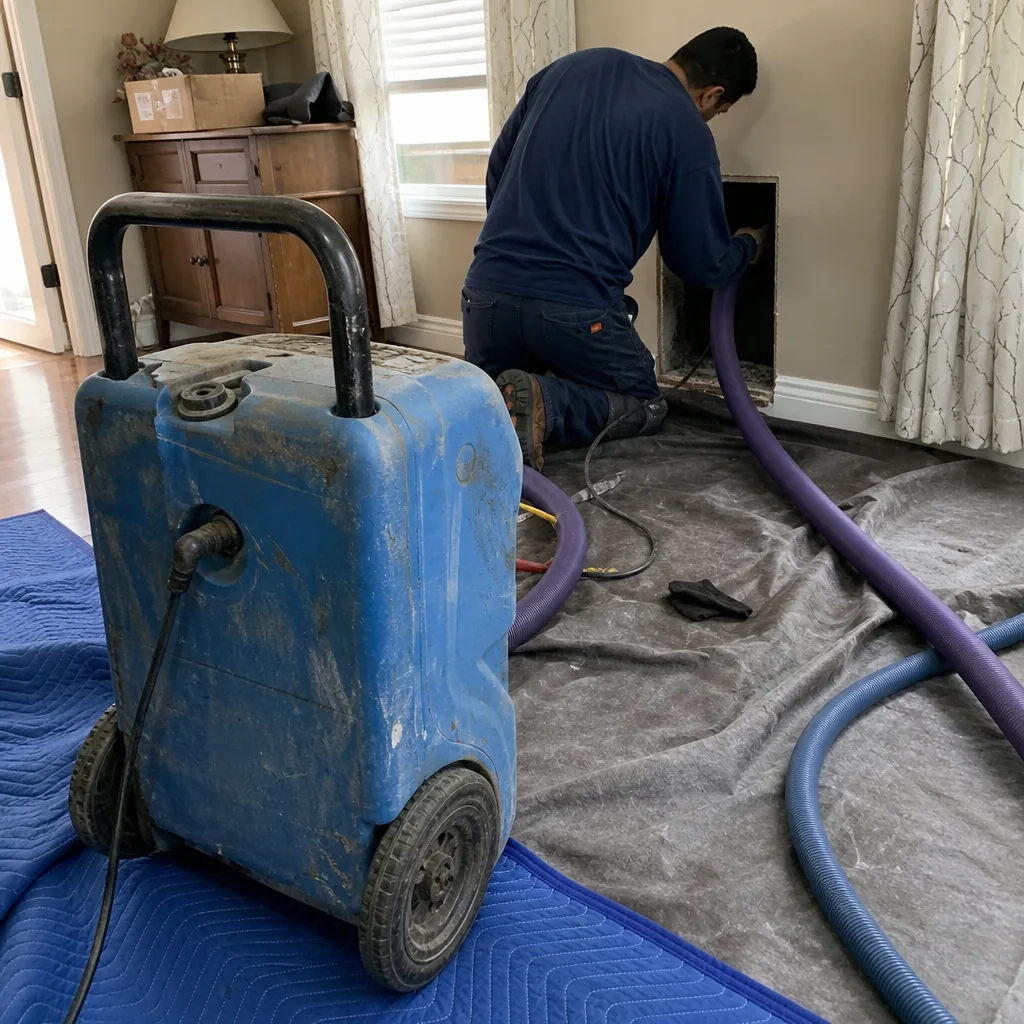 Before
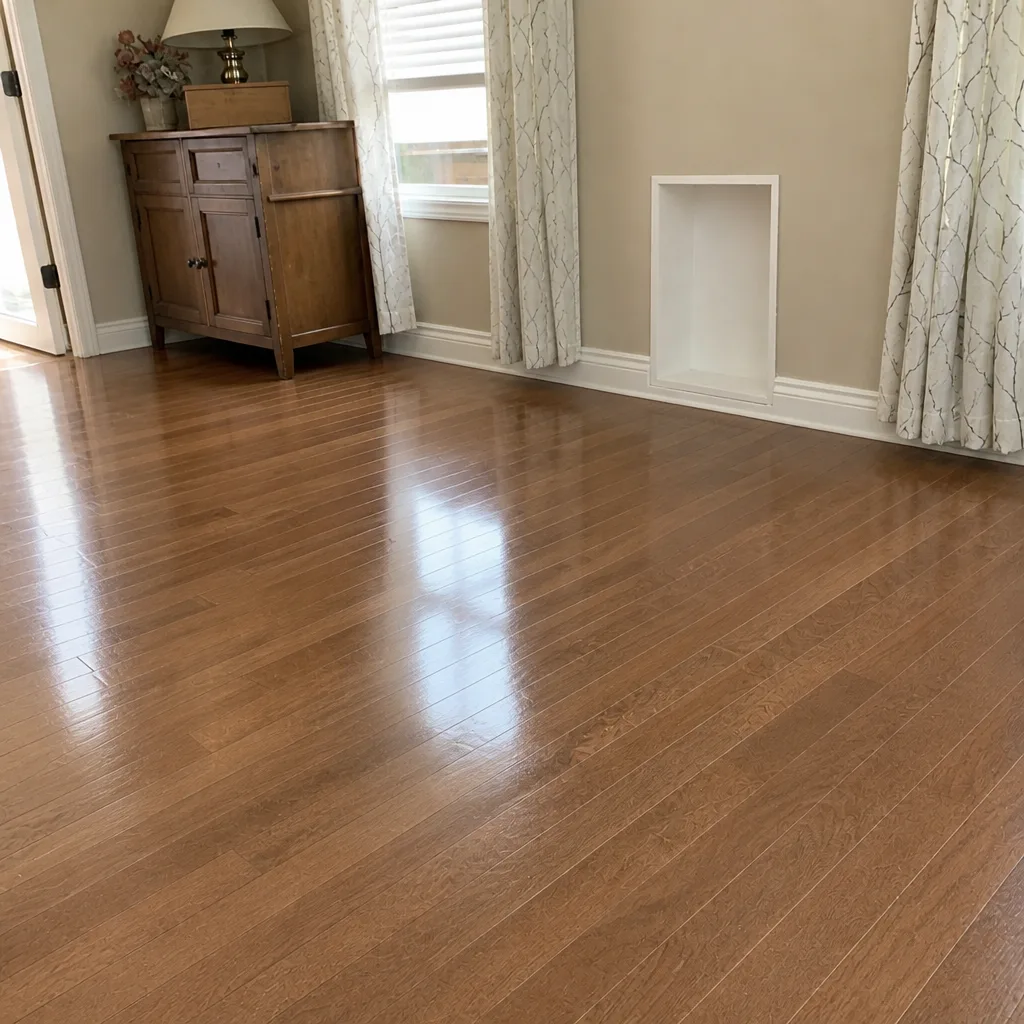 After
When to Call a Professional
Call us when the question isn’t just “what’s the condition” but “what should be done about it.” Common scenarios: you’ve recently finished a renovation and want the system cleaned and inspected; a family member’s allergies have worsened and you suspect the duct system; there’s a musty smell when the heat or AC kicks on; the last cleaning was years ago and the home has had pest activity; or the dryer takes much longer than it used to, which usually points to a clogged vent line. South Hill Air Duct Cleaning offers free estimates in South Hill – call (855) 510-1735. We answer 24/7. Fast dispatch from 7am to 7pm, Sunday through Friday.
Frequently Asked Questions
No. Routine air duct cleaning does not require a permit in South Hill or anywhere in Pierce County. Cleaning is maintenance activity under the state mechanical code. Mechanical repair or modification of the ductwork may require a permit – the specific answer depends on what the work actually involves, and it’s worth confirming with the contractor in writing.
Work that alters the mechanical system – replacing duct runs, changing the layout of supply or return branches, adding or removing a trunk connection, or replacing mechanical equipment. Maintenance items like re-taping a joint or sealing an accessible connection usually don’t require a permit. Where the boundary isn’t clear, ask the contractor which category the work falls into and get the answer in writing before work starts. Call (855) 510-1735 for an exact quote – estimates are free.
Pricing is per system, not per vent, and it’s set by a written estimate after we see the system. Whole-system cleaning ranges vary with the number of runs, the type of ductwork, and the level of contamination, and that’s the honest version. A per-vent price you see advertised is a teaser – it isn’t the invoice. Call (855) 510-1735 for an exact quote – estimates are free.
Low advertised prices are usually a per-vent tease that grows on site, or a consumer-grade vacuum job that doesn’t actually remove contamination. Whole-system cleaning with professional equipment – contact cleaning and HEPA-rated negative-air capture – costs more to do right. If a quote sounds too low, ask what equipment will be used and whether before-and-after photos are included. Call (855) 510-1735 for a straight quote – estimates are free.
You get before-and-after photos of your own ducts, a written scope of what was cleaned, a listing of materials used, and the equipment name. We document conditions before and after so you know exactly what changed. If a contractor won’t provide photos, that’s your answer about how the job went.
Most homes in South Hill benefit from cleaning every few years, and more often after a renovation, a pest issue, or a long stretch with a neglected filtration system. The honest answer is that it depends on the home, not a fixed calendar. Call (855) 510-1735 for an exact quote – estimates are free.
The Bottom Line
Duct cleaning doesn’t require a permit. Duct repair and mechanical modification of the ductwork may, under the Washington State Mechanical Code and Pierce County’s enforcement. The gap between those two facts is where most compliance problems live: a cleaning job that grows into repair work without paperwork, an HOA restriction discovered after a vent cap is already installed, or a contractor who skipped the permit and left the homeowner with the consequences. The fixes are simple: verify the contractor’s registration, get scope in writing, ask about permits before the work starts, and document every job with photos and materials. That file protects you at resale and at insurance time.
If a South Hill estimate raises questions – about scope, permits, HOA rules, or what’s actually in the system – ask us. We work across the full air pathway, we handle repair and sealing in-house, and we document what we find. Call (855) 510-1735 for a free estimate. We answer 24/7. Fast dispatch from 7am to 7pm, Sunday through Friday.
Written by the team at South Hill Air Duct Cleaning.