
Last updated November 25, 2026
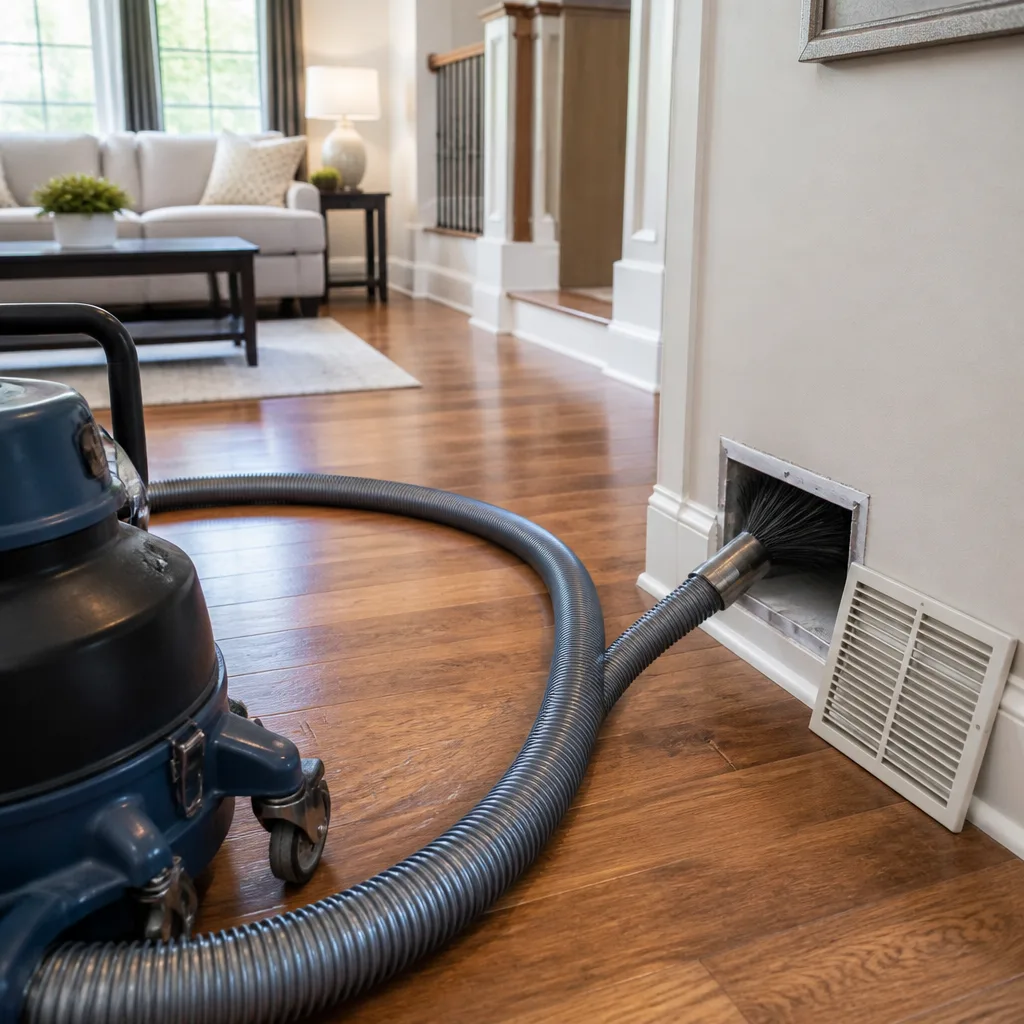 Whole-home duct cleaning
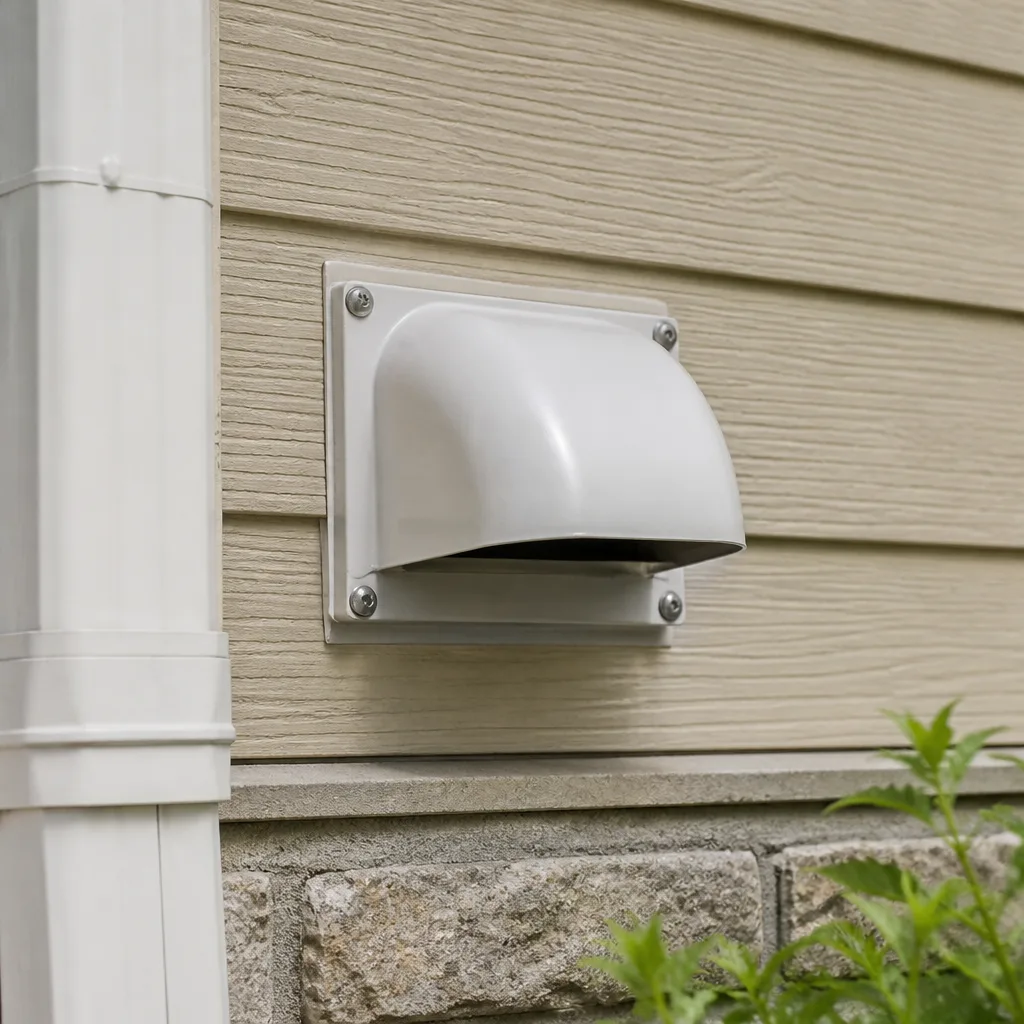 Dryer vent cleaning
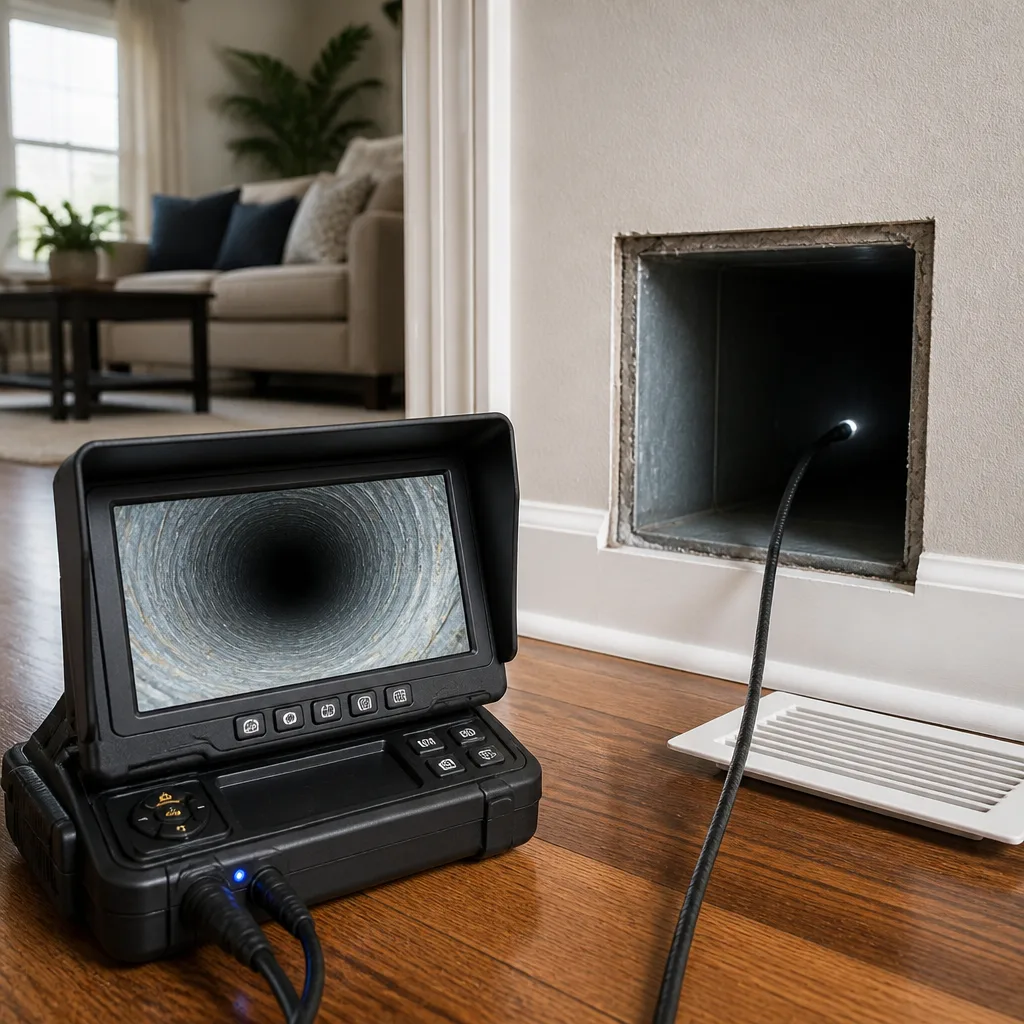 Camera inspection
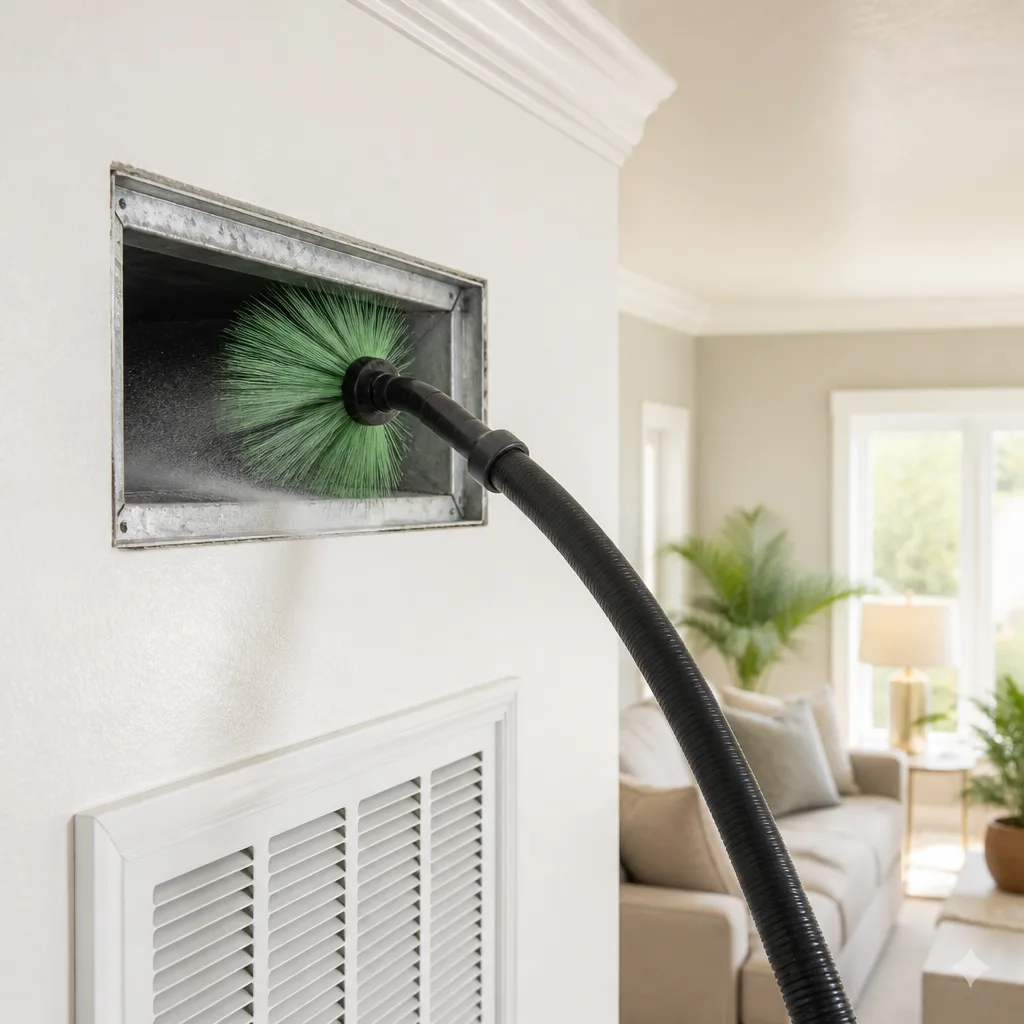 Sanitizing & deodorizing
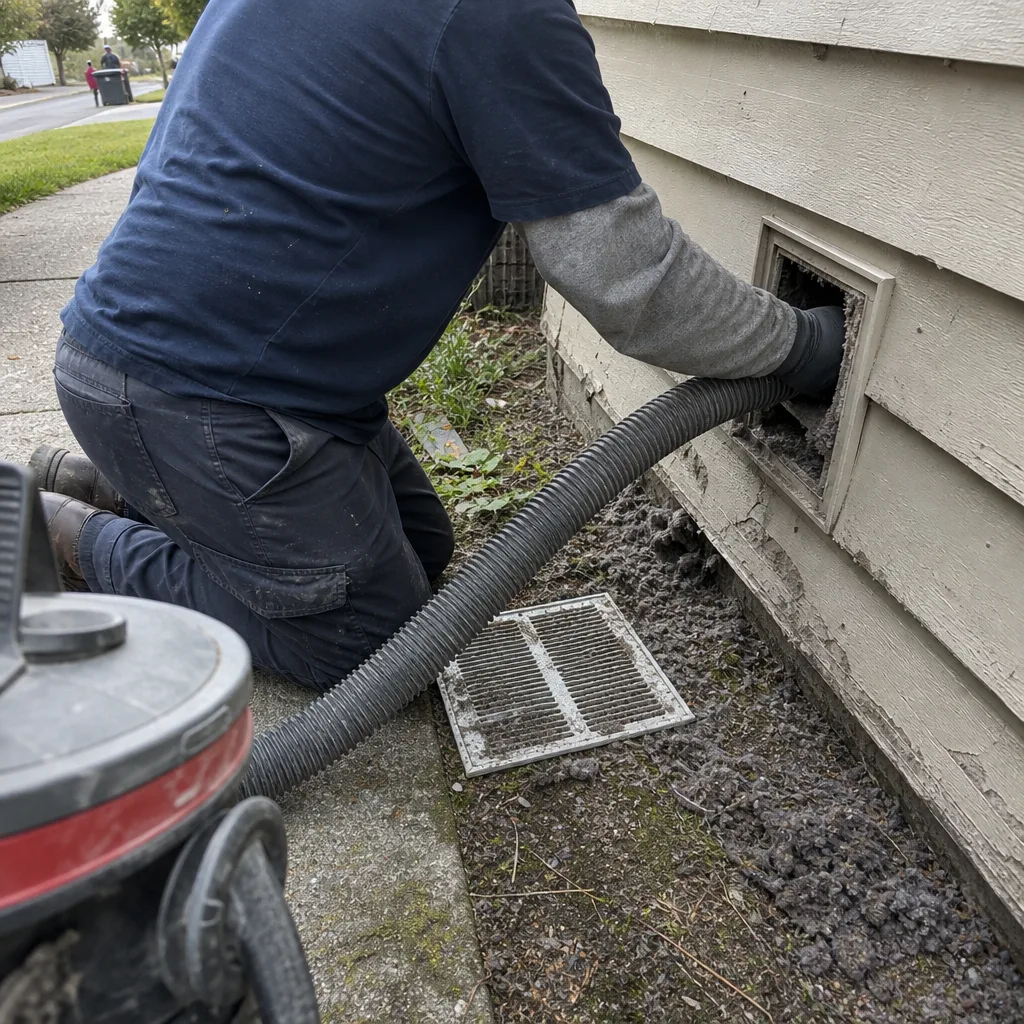
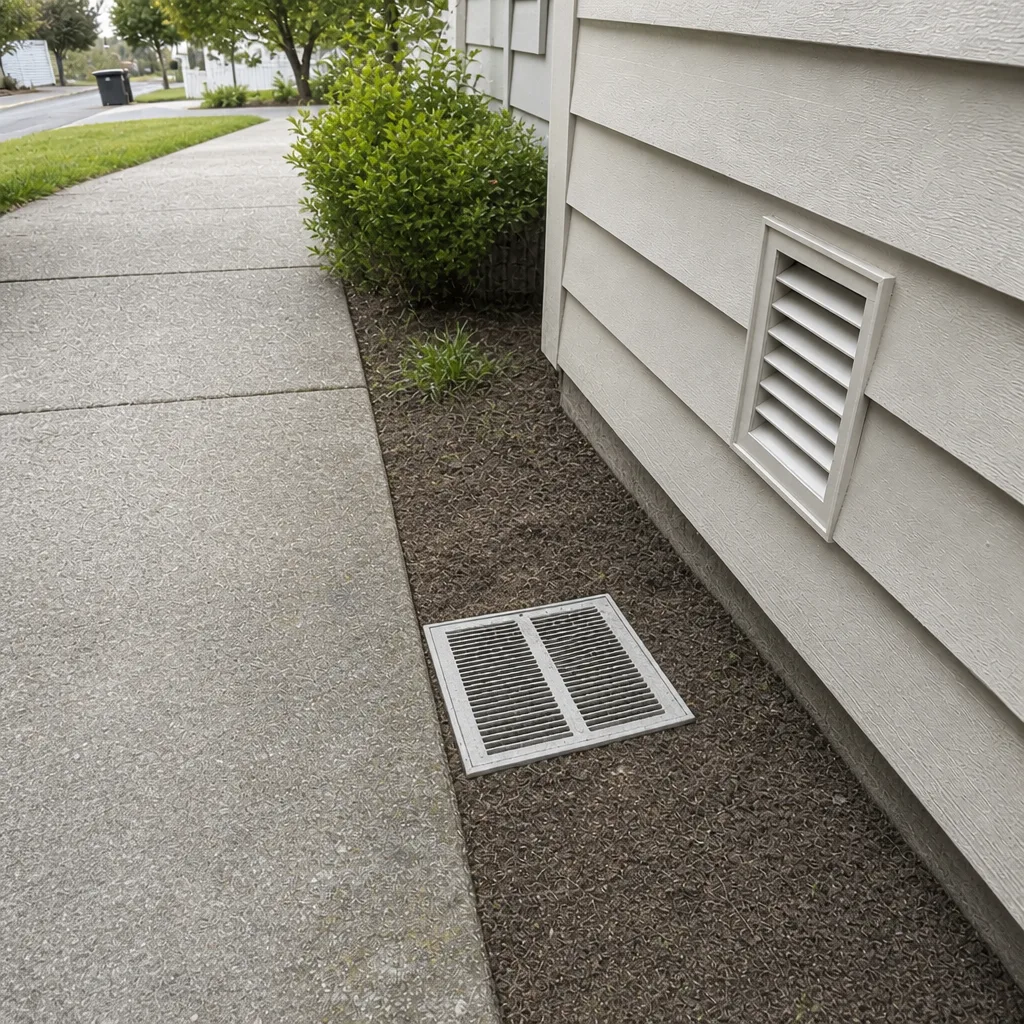
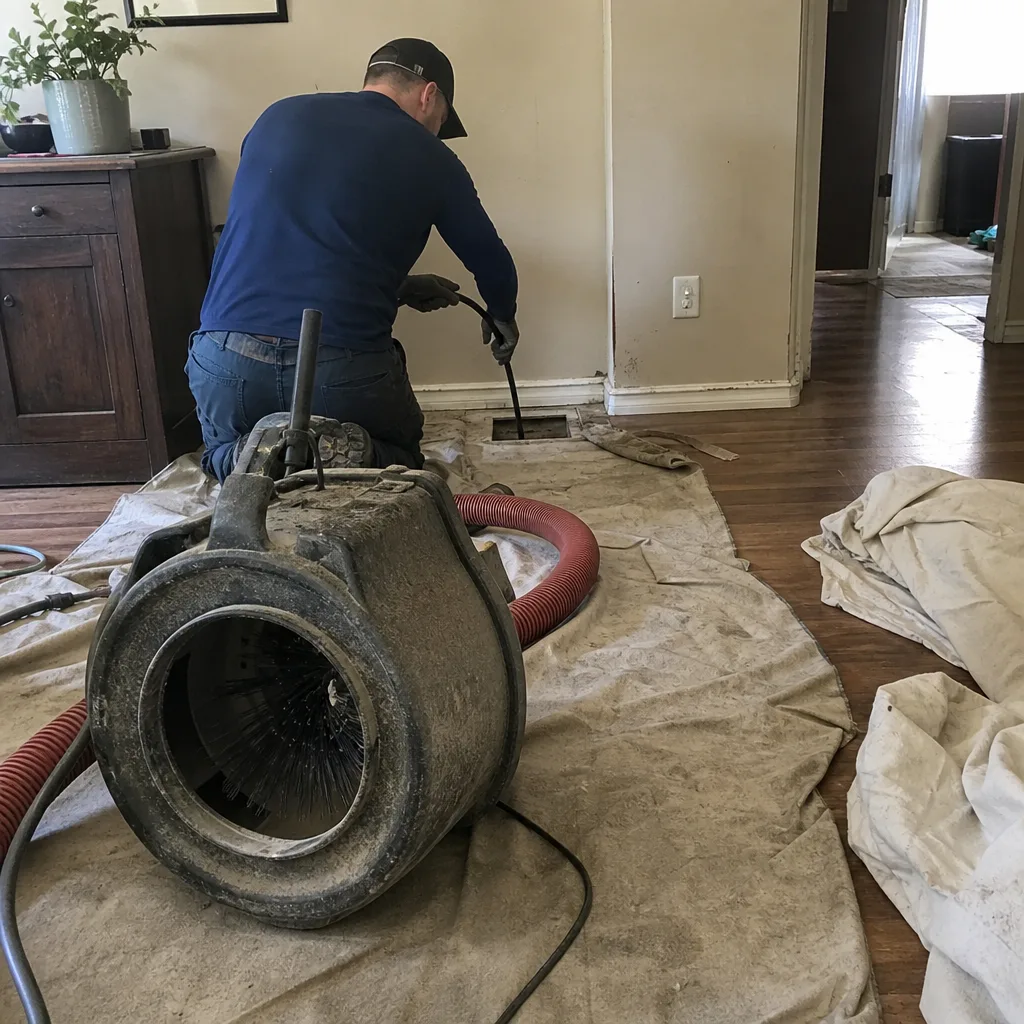
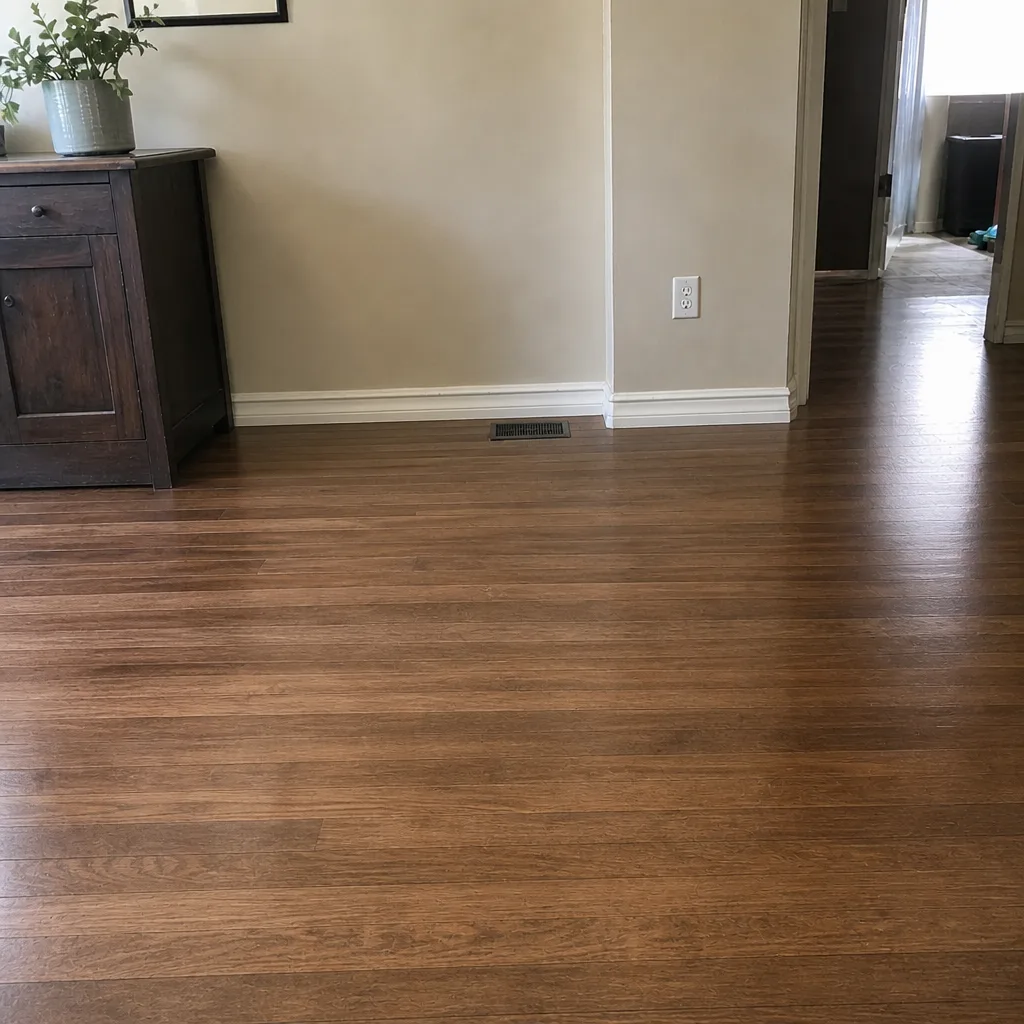
Whole-system duct and dryer vent check with before-and-after photos - you see exactly what came out of your vents
That "$99 whole-house special" is a bait ad - the real number appears once they are in your hallway, or the "clean" is a shop-vac at the register. We photograph the inside of your ducts before and after instead.
The Complete Guide to Air Duct Cleaning in South Hill
Most homeowners assume duct cleaning either happened or it didn’t. Someone shows up, runs a machine, hands over an invoice, and leaves. But here’s what a single visit actually looks like when it’s done right: 10 to 20 supply and return registers, the main trunk line, the air handler cabinet, and the blower compartment, each cleaned and documented. Done wrong, that same visit touches almost none of those things, and nobody notices until the dust settles back onto the furniture months later. This guide walks through what a complete system inspection and cleaning actually involves in South Hill, from the first phone call to the post-job verification, so you know exactly what you’re paying for before anyone knocks on the door.
Styles & brands we work with
- Whole-home duct cleaning
- Dryer vent cleaning
- Camera inspection
- Sanitizing & deodorizing
Quick Answer
Air duct cleaning in South Hill is a full-system service, not a quick pass with a shop vacuum. It uses negative-air HEPA equipment to hold debris in containment while rotary brushes contact-clean the interior of your ducts, then verifies the result with before-and-after photos and airflow checks. A complete job covers every supply and return run, the trunk line, the blower compartment, and the coil access area. If a provider skips any of those, you’re paying for part of a job.
Table of Contents
- What a Full-System Duct Cleaning Actually Covers
- How South Hill’s Housing Stock Changes Your Duct Problems
- Contact Cleaning and Negative Pressure: Why the Method Matters
- Post-Cleaning Verification: What Proof Looks Like
- The Full Inspection and Cleaning Process, Step by Step
- Airflow Testing and Filter Inspection as Your Baseline
- Duct Cleaning’s Place in a Complete Indoor Air Quality Plan
- Duct Repair and Sealing: The Service Most Providers Outsource
- Common Mistakes to Avoid
- When to Call a Professional
- Frequently Asked Questions
- The Bottom Line
What a Full-System Duct Cleaning Actually Covers
A “basic clean” sounds like the whole job. In practice, it often means a technician hits the visible registers and runs a vacuum on the main trunk. That leaves the parts of your system that collect the most debris untouched. When we talk about full-system scope in South Hill, we mean every component air actually passes through.
A complete job includes:
- All supply registers and return grilles, both cleaned and inspected for buildup, pest debris, or loose sealant.
- The main trunk line, contact-cleaned along its full run rather than spot-vacuumed at the nearest access point.
- Branch runs and flex duct sections, handled with methods appropriate to the material (more on that below).
- The return plenum, which is the large cavity feeding the air handler and often the single dirtiest part of a home’s system.
- The blower motor compartment, where dust accumulates on the wheel and reduces the volume your system can move.
- The evaporator coil access area, inspected so we can tell you whether the coil itself needs separate attention.
That’s the difference between a visit that touches 10 to 20 registers and the components behind them, and one that touches a handful of grilles and calls it done. A basic clean is not a scam on its own. It’s just limited, and it shouldn’t be priced like the full job. Ask any provider in South Hill what their scope actually includes before you book, and listen for whether the blower compartment and return plenum come up. If they don’t, you’ve found your answer.
How South Hill’s Housing Stock Changes Your Duct Problems
South Hill is not a uniform neighborhood, and its ductwork reflects that. You have newer construction on the edges of the area and a substantial stock of mid-century ranch-style homes closer in, plus a lot of homes that have been renovated and added onto over the years. Each produces a different contamination pattern, which is why a single “standard cleaning” template doesn’t fit every house here.
What we see across the different duct materials:
- Fiberglass-lined sheet metal: common in older South Hill homes with interior duct chases. The liner can fray or degrade over time, and once fibers break loose, cleaning has to be done carefully and the liner’s condition addressed, not just vacuumed over.
- Bare sheet metal: durable and cleanable, but the seams and joints are where leaks develop. If you’re paying for cleaning, it makes sense to seal those weak points at the same time.
- Flex duct: widespread in newer construction and additions. Flex is gentler to clean but easier to crush or disconnect. A crushed flex run quietly starves the room it serves, and a disconnected one dumps conditioned air into a crawlspace.
Renovations matter here too. Drywall dust, sawdust, and construction debris find their way into ductwork during a remodel and settle for years. We’ve also seen pest activity in the return runs of older South Hill homes with accessible crawlspaces. None of this shows up on a visual walk-through of your registers. It shows up when a technician opens the air handler and looks inside.
Contact Cleaning and Negative Pressure: Why the Method Matters
Here’s the distinction that separates a real cleaning from a dust storm: how the debris is captured. Some providers agitate your ducts with compressed air alone, which loosens the debris and sends a good portion of it back into your living space. Others pull a vacuum at one point and leave the rest of the system undisturbed. Neither approach reliably removes contamination, and the first one can make your indoor air worse for a few days.
What we do instead is combine two machines. Rotobrush rotary contact cleaning physically agitates debris loose from the duct walls with rotating brush heads. Nikro negative-air equipment, HEPA-rated, runs at the same time and holds the system under negative pressure, so the material that breaks free gets captured in the vacuum rather than pushed into the room. The brushes do the work of loosening. The negative air does the work of containing.
This isn’t a marketing detail. It’s the difference between cleaning a system and stirring it up. The same method is used in commercial and remediation-grade projects where contamination control actually matters, and it’s the standard we hold to in South Hill homes for the same reason. If you’re comparing providers, ask what they use for containment. A shop-vac attachment on one register is not the same equipment.
Post-Cleaning Verification: What Proof Looks Like
You were probably not standing on a ladder watching the technician work. So how do you know the job actually happened? This is the question that separates comfortable customers from skeptical ones, and it’s the one most providers leave unanswered. Verification shouldn’t be a favor. It should be part of the job.
Here’s what verification looks like when it’s done properly:
- Before-and-after photos of your own ducts. Not stock images. Photos of interior sections and the blower compartment taken before cleaning began and after it finished, so the change is visible.
- A written summary of conditions found. What was in the return plenum, whether the coil looked fouled, whether the liner was intact, whether any flex run was crushed or disconnected.
- Filter inspection. If your filter was overdue or the wrong type for your system, that’s a finding worth knowing about, not something to leave unmentioned.
- Airflow checks where relevant. Measuring at registers to confirm the system is moving air the way it should.
Ask for these things when you book. A provider who can produce them without being pressured is a provider who did the work. In our experience, the request itself tells you a lot about the company on the other end of the line.
The Full Inspection and Cleaning Process, Step by Step
Here’s what a complete visit looks like from the customer’s side, start to finish. Knowing the sequence helps you ask the right questions and spot a shortcut when you see one.
- System walk-through and assessment. We look at the registers, the air handler, the filter, and the accessible duct runs, and note the duct material type and any obvious damage.
- Scheduling and setup. Once we agree on scope, we set up containment at registers and connect negative-air equipment so the system stays under pressure throughout.
- Contact cleaning of the trunk and branch runs. Rotobrush rotary tools run the length of each duct, agitating debris loose into the vacuum.
- Air handler and blower compartment. The blower wheel and compartment get cleaned, since debris here directly affects how much air your system can move.
- Return plenum and coil access. The return cavity is cleaned, and the evaporator coil access area is inspected.
- Duct repair and sealing where needed. Leaks, tears, and disconnected sections get addressed the same visit rather than referred out.
- Surface treatment. Guardsman-brand protection products are applied as a documented final step for post-cleaning surface treatment.
- Verification and handoff. Before-and-after photos and airflow checks are reviewed with you, and we walk through what we found.
For a straightforward single-family home in South Hill, most of this happens in a single visit. The point is that each step is part of the scope, not an upsell you have to negotiate at the door. If you want the specifics of what a cleaning visit entails in your home, our air duct cleaning page covers the service in more detail.
Airflow Testing and Filter Inspection as Your Baseline
Duct cleaning is the moment you have the most information about your system at once. That’s why we treat airflow testing and filter inspection as your baseline, not an afterthought. Once we know what your system looks like clean and moving air properly, you have a reference point for everything that comes after it.
What we check and why it matters:
- Register airflow: if a room’s airflow is weak, the cause is often a crushed flex run, a disconnected section, or a blower wheel caked with dust. Cleaning alone won’t fix a restriction; you need the restriction identified.
- Static pressure: how hard your system has to work to move air. A struggling system costs you on your energy bill and shortens equipment life.
- Filter type and condition: a filter that’s too restrictive for the blower can starve the system, and one that’s too loose passes the dust straight into the ducts. Somewhere in the middle is right, and the correct choice depends on your equipment.
We stock and work with Honeywell and Aprilaire air quality products, so if the filter that came with your system isn’t doing the job, we can recommend and install a filtration upgrade as part of the same visit. That’s the value of a baseline: it turns a cleaning into a plan you can actually maintain.
Duct Cleaning’s Place in a Complete Indoor Air Quality Plan
Duct cleaning is important, but it isn’t the whole picture. It removes accumulated contamination from the ductwork. It doesn’t clean the coil, replace your filters, or seal your leaks. Those are separate services that work together, and knowing what each one does keeps you from paying for the wrong thing.
How the pieces fit:
- Duct cleaning removes debris from the distribution system, the blower compartment, and the return side.
- Coil cleaning handles the evaporator coil itself, where moisture promotes biological growth. A dirty coil is a coil-cleaning job, not something duct brushes reach.
- Filter upgrades set the filtration level for everything that passes through the system afterward. This is where Honeywell and Aprilaire products come in.
- Duct sealing closes the leaks that let unconditioned air and dust back into the system after cleaning.
- Air sanitizing addresses what’s left in the air itself, using Guardsman protection products and targeted treatment.
South Hill homes with allergy-sufferers often benefit most from the combination of cleaning and filtration, because the ducts and the filters are doing different jobs. If you only address one, you leave the other half of the equation open. The full picture starts with understanding what’s actually in your system, which is exactly what a thorough inspection tells you.
Duct Repair and Sealing: The Service Most Providers Outsource
Here’s something few homeowners realize: many duct cleaning companies stop at cleaning. If they find a leak, a tear, or a disconnected run, they refer you to a different contractor. That means a second appointment, a different company, and a cleaning that can’t be finalized until the repair happens separately. We handle repair and sealing in-house, on the same visit.
When a technician finds damage during cleaning, we seal it. That includes sheet metal seam leaks, disconnected flex sections, torn liner, and loose joints at the air handler. Sealing is not a cosmetic fix. A disconnected return can pull dust straight out of a crawlspace or attic and distribute it through your whole house. A leaking trunk line loses conditioned air before it ever reaches a register. Cleaning a system with leaks is cleaning a system that will get dirty again sooner than it should.
In South Hill’s older ranch homes, we often find leaking seams and degraded liner that have been losing air quietly for years. In newer construction, the usual culprits are crushed flex runs and poorly sealed joints installed during original construction. Both are fixable during a cleaning visit, and both change how well your system runs afterward. If you’re not sure whether your ducts are leaking, ask during the estimate; it’s an easy thing to check while we’re already in the system.
Common Mistakes to Avoid
- Booking on price alone without asking about scope. A quote that doesn’t mention the blower compartment or return plenum is a quote for a partial job. Make sure the scope covers the whole pathway before you compare prices. Low price plus narrow scope is not a bargain.
- Accepting compressed air as the cleaning method. Air agitation without negative pressure containment pushes debris back into your living space. Ask what equipment will be on site and whether it’s HEPA-rated. Rotobrush and Nikro equipment is the standard to look for in South Hill.
- Skipping the return side of the system. The return plenum and return runs are often the dirtiest part of a home’s system, and they’re the part most basic cleanings miss. Confirm they’re included.
- Ignoring flex duct in newer homes. Crushed or disconnected flex runs are common in additions and newer construction, and cleaning won’t fix either one. Ask for an inspection along with the clean.
- Cleaning without sealing. Clean ducts with unsealed seams and disconnected runs get dirty again. If a provider doesn’t offer sealing, you’re hiring half the job.
- Forgetting the dryer vent. Dryer vent cleaning is a separate service from HVAC duct cleaning, and it’s easy to skip. Many HVAC-only providers don’t offer it, and an obstructed dryer vent is a leading cause of residential fires. Our dryer vent cleaning service handles it on its own schedule.
- Not asking for verification. If a provider can’t show you before-and-after photos of your own ducts, you have no way to confirm the work happened. Ask up front.
When to Call a Professional
Not every home in South Hill needs a full cleaning tomorrow. But some situations make it worth scheduling an inspection sooner rather than later. You’ve recently completed a renovation that generated a lot of dust, especially drywall or sawdust. You’ve noticed a musty odor when the system runs, or allergy flare-ups that seem worse indoors. You’ve seen pest activity, particularly around return vents or in a crawlspace. Your registers show visible dust streaks, or filters are clogging faster than they used to. You’ve never had the ducts inspected and you’re not sure what’s in the system. Any of these warrant a look.
Before you book, ask what the inspection covers and what a full scope includes. We can walk you through the whole pathway: ducts, dryer vents, HVAC components, filtration, and sealing where needed. South Hill Air Duct Cleaning offers free estimates in South Hill. Call (855) 510-1735. We answer 24/7. Fast dispatch from 7am to 7pm, Sunday through Friday.
Frequently Asked Questions
It includes every supply and return register, the main trunk line, all branch runs, the return plenum, the blower motor compartment, and the evaporator coil access area. It also includes verification: before-and-after photos and airflow checks so you can see what changed. A basic clean typically skips the blower compartment and return plenum, which are usually the dirtiest parts. Call (855) 510-1735 for an exact quote; estimates are free.
Pricing is per job, set by a written estimate after an inspection of your system’s scope. Whole-system jobs covering every register and the air handler are priced differently from partial cleanings, and this is where most of the confusion happens: quotes that come in much lower are usually narrower in scope. Ask what the quote covers before you compare. Call (855) 510-1735 for a free estimate.
Cheap quotes usually reflect a smaller scope, not a better price. A low quote often means registers and the trunk line only, with the blower compartment, return plenum, or sealing left out. Some also skip negative-air containment, which means debris gets loosened but not properly captured. When you compare, compare scope line by line. Call (855) 510-1735 and we’ll explain exactly what our estimate includes.
Ask for before-and-after photos of your own ducts and written notes on what was found. A complete job also includes airflow checks and a filter inspection. These are part of the job, not a favor, and a provider who can produce them without being pressured did the work. Call (855) 510-1735 to book an estimate and ask what documentation comes with the service.
It depends on your home, not on a fixed calendar. Recent renovation, pest activity, musty odors, visible dust streaks, or filters clogging faster than usual are all reasons to schedule an inspection. Homes with a lot of flex duct or older liner may need attention more often. If in doubt, have the system inspected and decide from the findings. Call (855) 510-1735 for a free estimate.
It can help when the source is contamination in the ducts or the blower compartment, and it does nothing when the source is the coil, a moisture problem, or biological growth in the air handler. A proper inspection tells you which one you’re dealing with before you pay for the wrong service. Duct cleaning, coil cleaning, filtration upgrades, and sealing work together. Call (855) 510-1735 to have the system inspected.
The Bottom Line
Duct cleaning is worth paying for when it covers the whole pathway and proves what it did. The scope is what separates a real job from a quick pass: all registers and runs, the trunk line, the blower compartment, the return plenum, and the coil access, cleaned with contact tools under negative-air containment. South Hill’s mix of housing means one template doesn’t fit every home, from fiberglass liner in older ranches to flex duct in newer construction. Repair and sealing belong in the same visit, not a separate referral. Ask for a full scope, ask for photos, ask what was found. That’s the whole guide in a paragraph, and it’s the standard we hold to before, during, and after the job. Ready to see what’s in your system? Call (855) 510-1735 for a free estimate. We answer 24/7. Fast dispatch from 7am to 7pm, Sunday through Friday. Our technicians have up to 14 years of experience.
Written by the team at South Hill Air Duct Cleaning.
See the difference
 Before
 After
 Before
 After
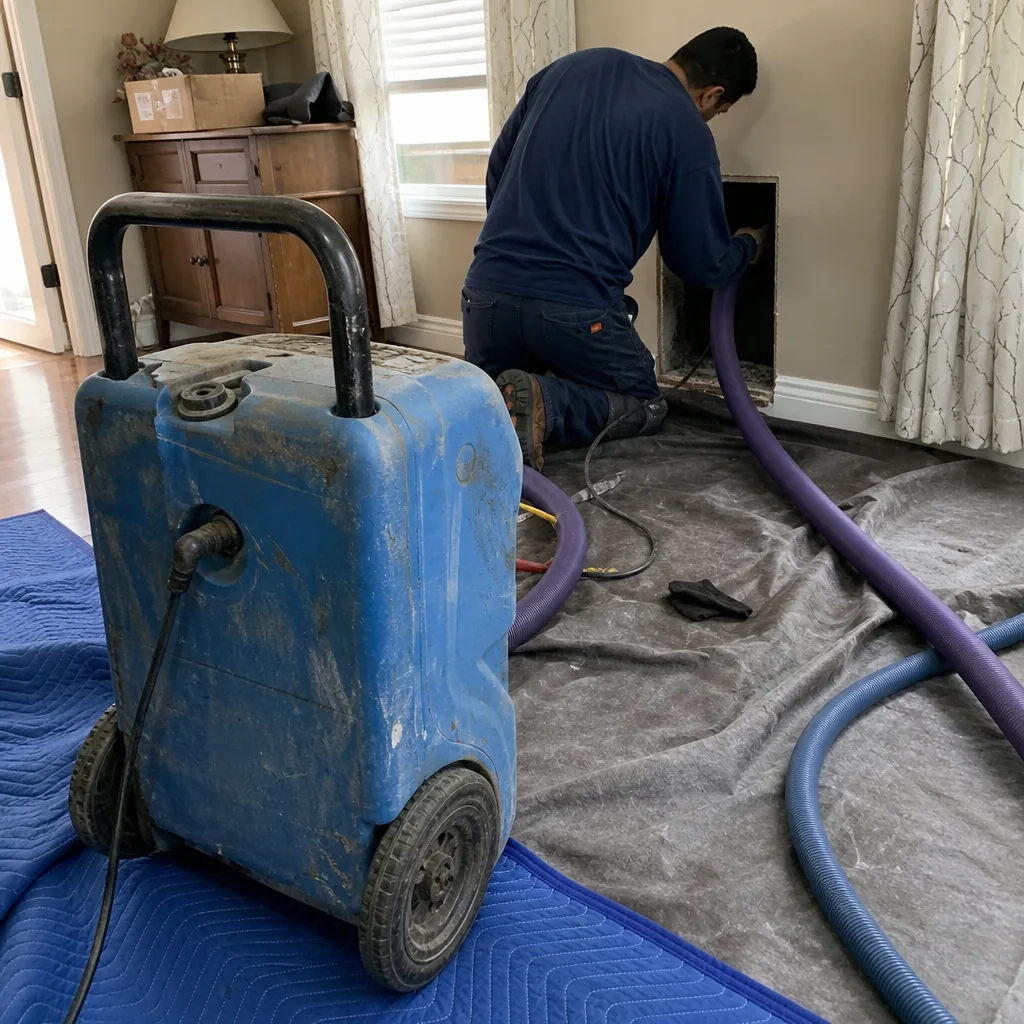 Before
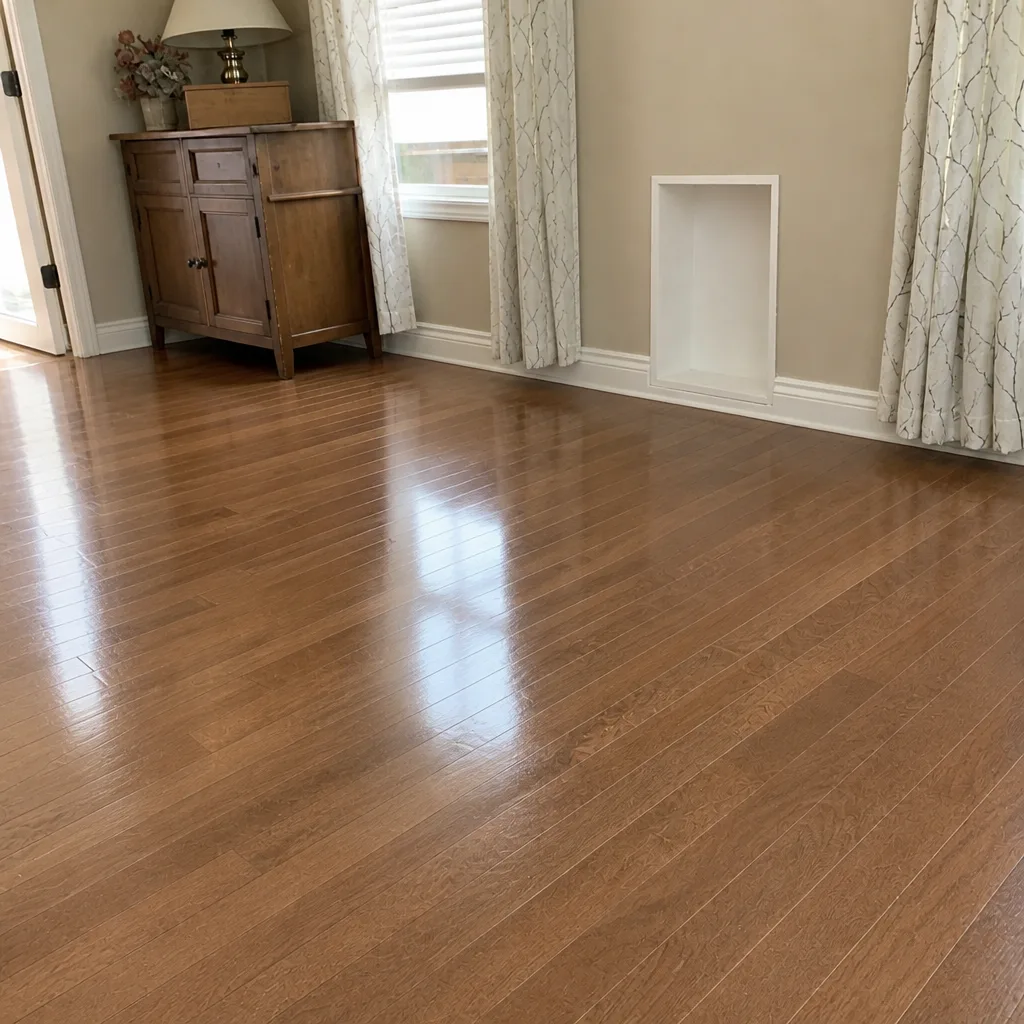 After