
Last updated November 25, 2026
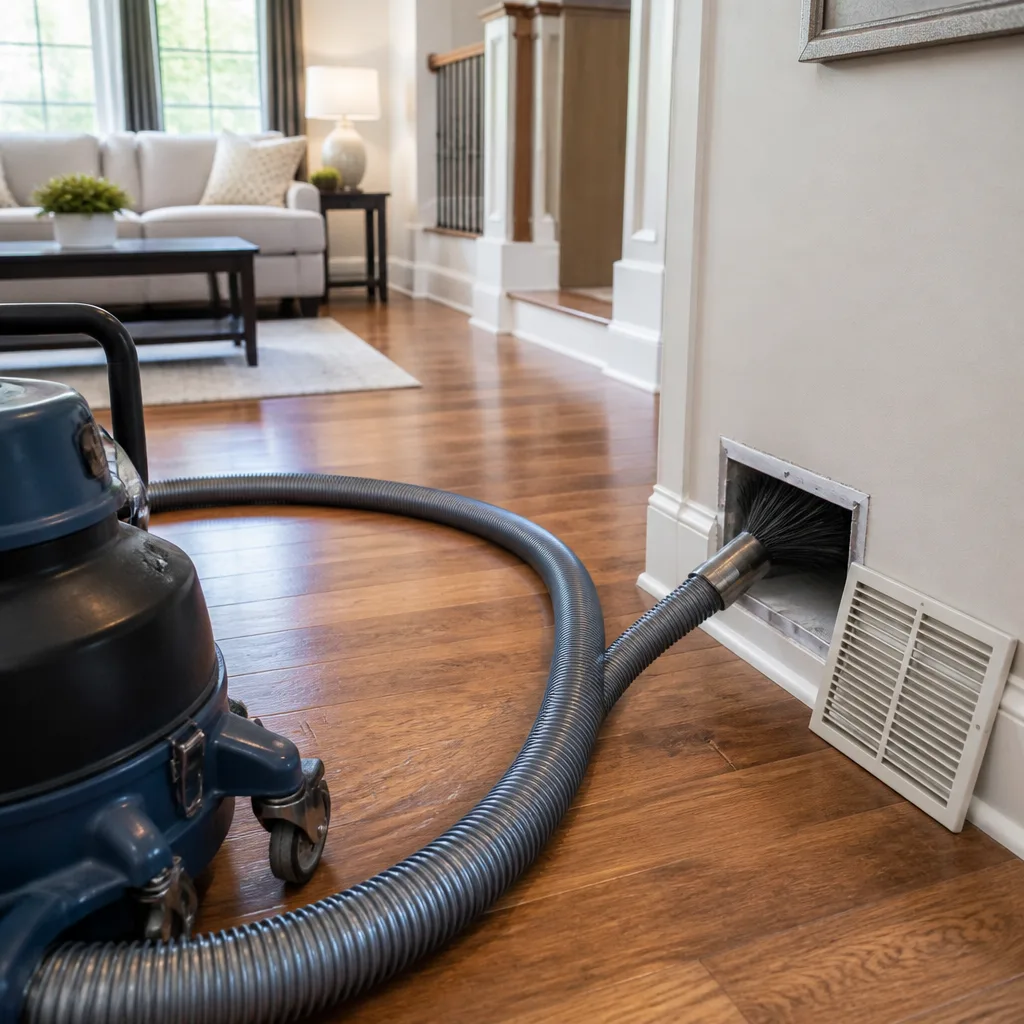 Whole-home duct cleaning
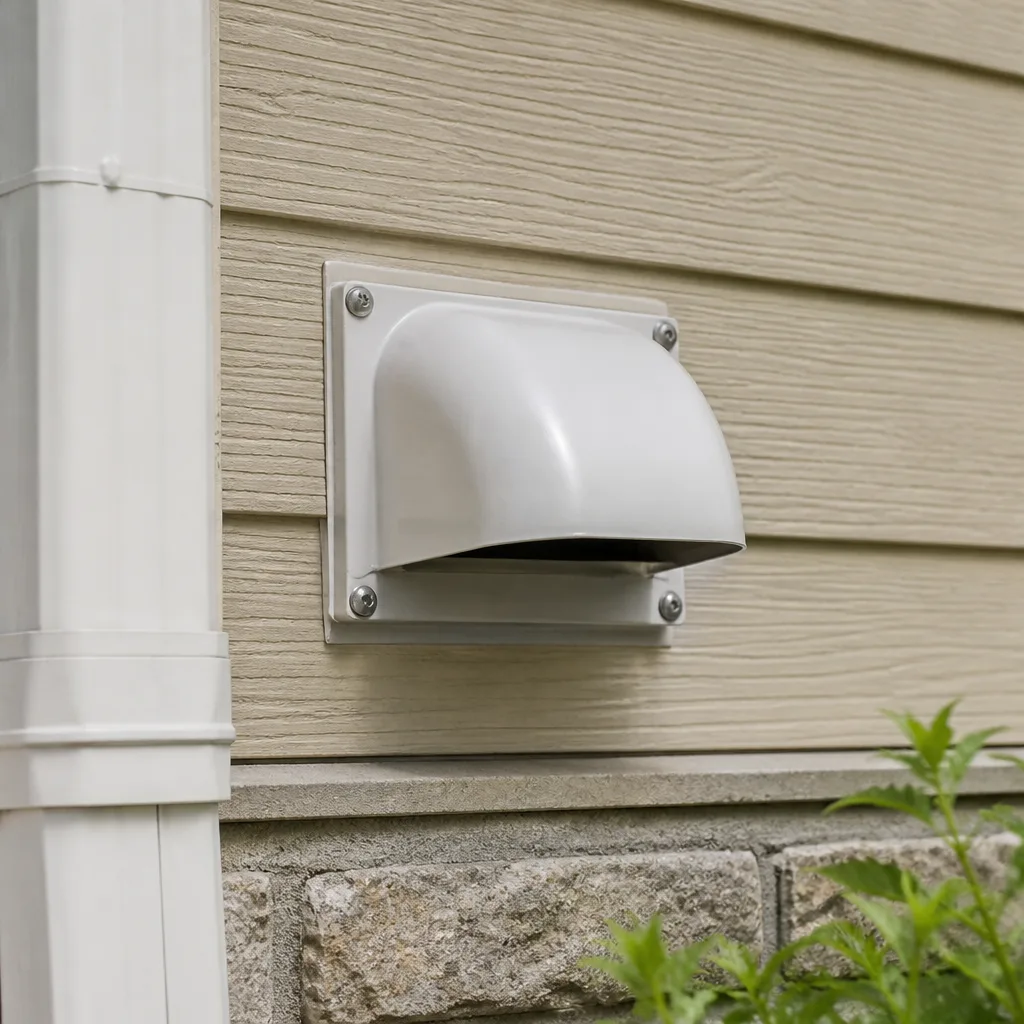 Dryer vent cleaning
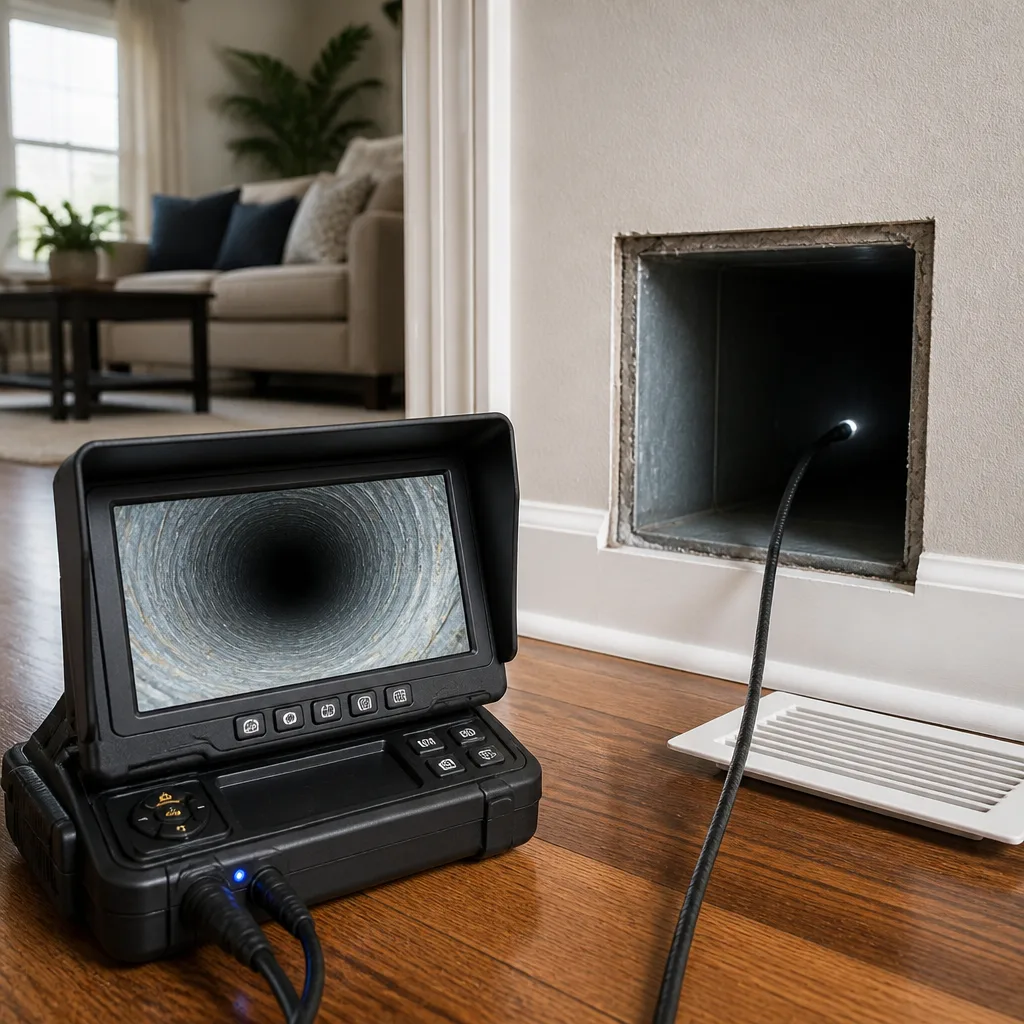 Camera inspection
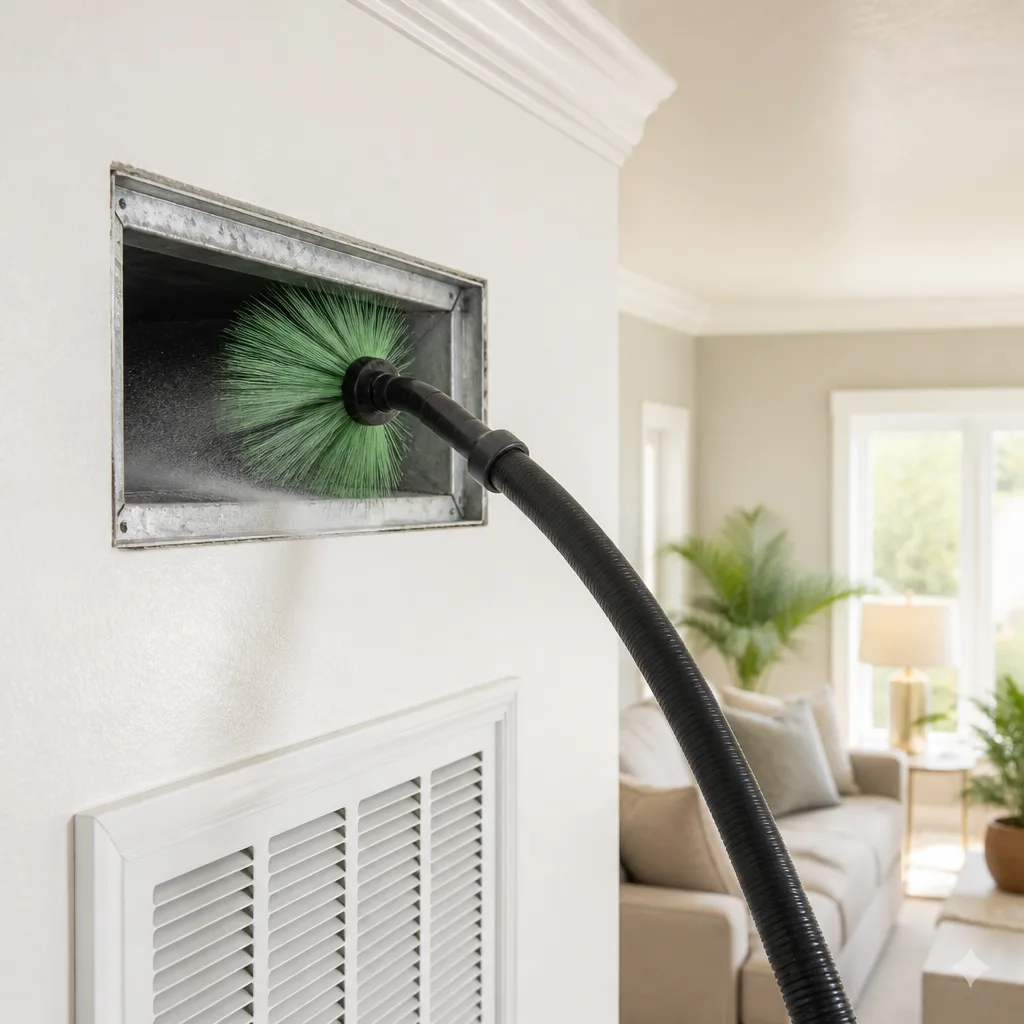 Sanitizing & deodorizing
Whole-system duct and dryer vent check with before-and-after photos - you see exactly what came out of your vents
That "$99 whole-house special" is a bait ad - the real number appears once they are in your hallway, or the "clean" is a shop-vac at the register. We photograph the inside of your ducts before and after instead.
Choosing the Right Air Duct Cleaning Brand: A Buyer’s Guide for South Hill
There is no Carrier or Trane of duct cleaning. No single brand name in this trade reliably signals quality the way a manufacturer’s name does in HVAC equipment, and that surprises people. You can’t walk outside, read a logo on a box, and know the work will be thorough. What actually decides whether a duct cleaning job helps or just makes noise in your living room is the equipment class the company operates, the process they follow, and whether whoever shows up is trained to run that equipment correctly. This guide teaches you to read those signals. We’re writing it from South Hill, where the market is small enough that most quotes come down to two or three names, and where the right evaluation matters more than the biggest ad.
Quick Answer
Choose an air duct cleaning company in South Hill by asking what equipment they run, how they contain dust during the job, and whether they can repair what they find, not by counting stars or chasing a coupon. A serious operator uses contact-cleaning tools such as Rotobrush along with HEPA-rated negative-air equipment from Nikro or Abatement Technologies, documents conditions before and after, and handles duct repair and sealing in-house rather than handing you off to another contractor. If a company can’t answer those questions on the phone, keep calling.
Styles & brands we work with
- Whole-home duct cleaning
- Dryer vent cleaning
- Camera inspection
- Sanitizing & deodorizing
Table of Contents
- Why “Brand” Is the Wrong Way to Shop for Duct Cleaning
- Equipment Class: The Single Most Important Differentiator
- How to Read Reviews for Process Signals, Not Sentiment
- What NADCA Certification Requires and What It Doesn’t
- The One-Provider Advantage: Why Coordinating Specialists Costs You
- Red Flags in Company Positioning
- Questions to Ask Before You Book the Job
- What Makes Duct Work in South Hill Different
Why “Brand” Is the Wrong Way to Shop for Duct Cleaning
HVAC manufacturers build equipment. Duct cleaners perform a service. Those are two different kinds of businesses, and the branding rules that work for the first don’t transfer to the second. When you buy a furnace, the serial number tells you what you got. When you buy a duct cleaning, the only record of what happened is the invoice, the technician’s explanation, and whatever documentation they hand you. That’s why the brand question is really a process question dressed up in marketing language.
In South Hill, most homeowners we talk to are starting from a vague sense that their ducts need attention. Maybe there was a renovation last year. Maybe someone in the house started sneezing more after the smoke season rolled through. Maybe there’s a musty smell near a return grille. Those are all reasonable triggers, but none of them tell you which company to call. The company name on the side of the van doesn’t either.
What does tell you something:
- The equipment list. A company that mentions Rotobrush, Nikro, or Abatement Technologies in its service description is signaling it invested in professional tools. A company that never mentions equipment is either using consumer-grade gear or doesn’t want you thinking about it.
- The process description. Serious operators describe containment, agitation, extraction, and verification. Vague operators say “we clean your ducts.”
- The scope of what they’ll fix. Duct cleaning that exposes a torn flex run is useless if the company can’t repair it. Whether they offer repair and sealing in-house tells you how they think about the job.
The rest of this guide unpacks each of those signals so you can read them for yourself. South Hill has a real market for this work, and the difference between a thorough job and a cosmetic one is entirely visible if you know where to look.
Equipment Class: The Single Most Important Differentiator
Equipment class is the primary differentiator between duct cleaning companies, and it’s the hardest thing to fake in a sales pitch. There are three broad tiers, and what each can achieve inside a South Hill home is genuinely different.
Truck-Mounted Vacuum Systems
A truck-mounted unit runs a large vacuum hose into the home from a van parked outside. The vacuum source is substantial, the hose length is limited, and the equipment is expensive enough that only companies doing this as a core service invest in it. These systems move a lot of air, which matters when you’re pulling debris out of a long trunk line. The trade-off is that hose reach limits what’s practical in some South Hill layouts, especially two-story homes where the furnace sits on the far side from the street.
Portable Professional-Grade Units
Portable professional units are the workhorse class for most residential work. This is where the equipment brand names start to matter. A Rotobrush system uses rotary brushes that physically agitate debris loose from duct walls while a vacuum pulls it away. That agitation step is what separates a real cleaning from a dust bath, because settled debris doesn’t release from duct surfaces without contact. Paired with Nikro HEPA-rated negative-air equipment, the setup creates a containment loop: dust and contaminants are captured at the source and filtered out of the air rather than blown back into the room. Add Abatement Technologies gear and you can handle contamination scenarios where ordinary cleaning isn’t enough, such as a moisture problem that left microbial growth behind a register.
Consumer-Grade Setups
Consumer-grade gear is shop vacuums with attachments, or worse, leaf-blower-style tools that agitate debris without capturing it. These setups can’t contain dust. They often can’t reach past a short length of duct. And a company running them typically knows it, which is why the equipment list is missing from the website. If a quote is dramatically lower than every other quote you got, this is usually why.
How to verify which tier a company operates in
- Ask on the phone what vacuum and agitation tools they use. A serious operator answers in a sentence or two, without hesitation.
- Ask whether they run negative air during the job. If the answer is “what?” the conversation is over.
- Ask for before-and-after documentation. Photos of your own ducts, not stock images.
- Ask what happens if they find a torn duct or disconnected joint. If the answer involves booking another company, you’ve learned the scope of their operation.
Our air duct cleaning work uses Rotobrush contact cleaning because brushes physically loosen debris while Nikro negative-air equipment captures it, so contaminants leave your home, not just your ducts. First, we agitate the debris from surfaces. Then, we pull it out under containment. Finally, we document what changed. The equipment is the same grade used in commercial remediation work, not shop-vac attachments.
How to Read Reviews for Process Signals, Not Sentiment
Online reviews are useful for one thing: learning whether a company followed through on its own promises. They’re not useful for much else. Sentiment (“friendly guy, showed up on time”) tells you nothing about duct work. What you want to read for is process language, and it’s usually buried in the middle of a longer review by someone who actually watched what happened.
Here’s what process-signal reviews sound like in practice:
- “They showed us photos before and after.” Documentation is a real signal. Companies who document do it because it’s their standard process, not a courtesy.
- “They found a disconnected section under the kitchen and fixed it that day.” Tells you the company carries repair capability, not just cleaning equipment.
- “They used a camera to show us what was in the ducts.” Camera inspection indicates an operator who wants to verify conditions rather than guess.
- “The technician explained what was in the return and what it meant.” Diagnostic language. This person understood the system, not just the tool.
- “They laid down drop cloths and covered the floor before starting.” Containment discipline shows up here. A company careful with your floors is usually careful with the ducts too.
Now what low-signal reviews look like: “Did a great job, very professional.” “Super nice guys, would recommend.” “Quick and easy.” None of that is bad, but none of it tells you whether the ducts got cleaned. A company can hit that tone and still do the work with a handheld vacuum in twenty minutes.
South Hill’s duct cleaning market is smaller than the East Coast metros, which means a lot of reviews come from a narrower range of jobs. Read five or six, mine them for process phrases, and check whether the reviewer describes specific findings or general vibes. The specifics are where the truth is.
What NADCA Certification Requires and What It Doesn’t
NADCA certification matters, but not as much as a lot of buyers assume. NADCA, the National Air Duct Cleaners Association, publishes a standard that describes how a duct cleaning should be performed: containment, agitation, extraction, verification. That’s a genuinely useful guideline. NADCA also offers individual certification, the Air Systems Cleaning Specialist credential, which tests a technician’s knowledge of system mechanics, contamination types, and process discipline.
What certification signals: the technician has been exposed to standard method and can describe how a duct system works, not just how to run a vacuum. It’s a baseline of professionalism that isn’t universal in this trade.
What certification doesn’t signal:
- That the company operates remediation-grade equipment. Certification tests knowledge, not equipment class.
- That the technician is the one showing up at your door. Certifications belong to individuals; the crew that arrives may not include the certified person.
- That the company can repair what they find. Certification doesn’t cover repair skills.
- That the company will document conditions. Documentation is a company process choice, not a certification requirement.
So treat NADCA certification as one signal among several. What you actually want to hear from a technician is diagnostic language: an explanation of what they found in the return, why it was there, and what to do about it. That capacity to explain is the deeper signal. A certified technician who can’t tell you what they saw hasn’t helped you.
Additional signals that rank alongside certification
- Do they ask about your home before the visit? Square footage, number of returns, recent work done. Questions indicate a real diagnostic approach.
- Do they ask about the HVAC system? Age, filter type, whether it’s been serviced. Ducts and HVAC equipment operate as one system, and a company that treats them as one is operating on the right model.
- Do they offer dryer vent service? Dryer vent cleaning is a distinct scope most HVAC-only providers ignore, and offering it indicates they understand the full air pathway in a home.
- Do they mention filtration upgrades? Technicians who work with products from Honeywell and Aprilaire can connect what they find in your ducts to specific filtration options, which shows a diagnostic-to-recommendation loop.
The One-Provider Advantage: Why Coordinating Specialists Costs You
Duct cleaning isn’t one job. It’s five related jobs that touch the same air pathway: air duct cleaning, dryer vent cleaning, HVAC cleaning, duct repair and sealing, and air quality work such as sanitizing and filtration upgrades. When one company handles all five, the job finishes. When you’re coordinating multiple contractors, each one touches only their piece and leaves the rest to someone else.
Here’s what coordinating multiple contractors actually looks like in a South Hill home:
- A duct cleaner finds a disconnected section behind a return in the upstairs hall. They can’t fix it. You get a referral. The job is now incomplete for the season, and the ducts you paid to have cleaned are pulling in attic air within a month.
- A dryer vent cleaner finds lint buildup in a long, curved run. They clean it, but they don’t do duct work. If the vent run has a sag or tear, it stays where it is.
- An HVAC company does a tune-up and mentions duct cleaning might be worthwhile. They don’t do it. They also don’t do repair. The recommendation goes nowhere.
- A sanitizing company comes in and treats the ducts. Nobody told them about the moisture problem the previous contractor found, because nobody talked to each other.
Every handoff between contractors is a chance for information to get lost. The one-provider approach avoids that. A company doing all five services operates on a complete picture of the system: what the HVAC components look like, where the leaks are, which runs need sealing, and what filtration upgrade makes sense given what’s in the air. The repair work is done the same visit. No second appointment, no referral, no missing context. That’s the standard we hold at South Hill Air Duct Cleaning, and it’s the standard you should ask any company you’re considering to meet.
The full air pathway, end to end
In any home, air moves through the HVAC system, the duct network, the return runs, and out through exhaust paths like the dryer vent. Each section can fail on its own, and each failure point affects the others. Sealing a duct run lowers the load on the HVAC system. Cleaning the HVAC components means the air moving through the ducts doesn’t pass through a dirty evaporator coil. Cleaning the dryer vent removes lint that would otherwise be pulled back into the laundry room air. One company that understands all of this can sequence the work correctly. Multiple specialists rarely do.
Red Flags in Company Positioning
Marketing language in this trade falls into patterns, and the patterns reveal operational seriousness. We’ve watched a lot of South Hill shoppers get talked into jobs that weren’t thorough because the marketing was louder than the process, and it’s usually a small number of signals that would have tipped them off. These are the ones to watch.
Heavy discount advertising
A coupon for a duct cleaning price that’s a fraction of every other quote is a red flag, not a bargain. What usually happens is the low price covers a rapid pass with a consumer-grade tool, and then a technician on site finds “problems” that require add-on charges. The honest version of that transaction is a full-system quote issued before the job. If a company’s positioning leans on discount language, ask what’s included in the base price and what isn’t. The answer usually clarifies things.
Vague scope language
“We clean all your ducts” is a scope statement without content. What does “all” mean? Number of registers? Length of runs? Coverage of the main trunk versus just the branches? A serious company descriptions their scope with specifics, because doing so protects them from disputes and protects you from surprises. If a website avoids specifics about which parts of the system get cleaned, the work is probably less thorough than the vague sentence implies.
No mention of equipment
Equipment is the primary differentiator in this trade, so its absence from a company’s positioning is telling. A serious operator names what they use: Rotobrush, Nikro, Abatement Technologies, Honeywell, Aprilaire. Not because naming brands makes them good, but because they invested in equipment class and aren’t hiding behind generalities. If you can’t find equipment specs on the site, call and ask. If they won’t say, that’s your answer.
No mention of process
Compare “we clean your ducts” with “we establish negative air, agitate with rotary contact tools, extract under HEPA filtration, and document before and after.” The second describes a process you can hold them to. If a company can’t describe how they clean, they may not have a method, just a truck and a schedule.
Repair capability absent
Most duct cleaners don’t do repair and sealing. That’s a legitimate specialization. But a company that also can’t tell you what they do when they find damage is one whose job will stop the moment the work gets interesting. Ask what happens if a run is torn. An honest “we refer that out” is fine, but a company that handles it in-house is a company that closes the loop.
Questions to Ask Before You Book the Job
The best way to evaluate a duct cleaning company is to ask four or five direct questions and listen carefully. The answers reveal experience level, equipment class, and process discipline in a way no website can.
- What equipment do you use for the cleaning? Listen for Rotobrush, Nikro, or Abatement Technologies. If the answer is generic (“professional tools”), ask a follow-up.
- How do you contain dust during the job? Listen for negative air, HEPA filtration, drop cloths, sealing of the return and supply openings. If no containment plan comes up, the job will introduce as much dust as it removes.
- Do you document the condition before and after? Listen for photos of your ducts specifically, not stock images. Documentation is a real process signal.
- What do you do if you find a torn or disconnected duct? Listen for in-house repair, not a referral to a separate contractor.
- What’s the scope of the cleaning? Listen for which registers, which runs, and how the main trunk is handled. The full picture should be clear before you book.
- Are you insured? Any company working in your home should carry liability insurance. Ask.
If a company answers all six, you’re talking to a serious operator. If they answer three and change the subject on the rest, you’ve learned what you needed to learn. Our technicians have up to 14 years of experience, and they field these questions on the phone routinely because they’re the right questions to ask.
What Makes Duct Work in South Hill Different
South Hill sits in a climate pattern that affects duct systems differently than people expect. The region’s wet season keeps interior humidity elevated for months at a time, and ducts that aren’t sealed tight can collect moisture at joints, especially in cooler runs along exterior walls. That moisture becomes a mold and microbial problem if it’s left alone, which is one reason remediation-grade equipment matters more here than in a dry climate.
The other local factor is allergen load. South Hill’s mix of mature landscaping, nearby green space, and seasonal pollen cycles means the outdoor air carries a real particulate load through the warmer months. Duct systems that aren’t sealed properly pull some of that air into the return path. Homes built during the area’s earlier development waves often have flex duct runs that have aged, and older runs are where disconnected sections and small tears show up most often.
Smoke season adds another layer. When regional air quality drops, homes close up, and the HVAC system runs more. Ducts pulling outdoor air through leaks during those periods bring in particulates you’d rather filter out. Sealing those leaks and installing the right filtration is typically the more durable answer, which is why we stock Honeywell and Aprilaire filtration products. When we find a leak, we can seal it, then recommend filtration that matches what we saw in your system rather than what sounds good on a brochure.
What local duct work in South Hill usually involves
- Checking flex duct at attic transitions, where disconnections are common after years of expansion and contraction.
- Verifying returns in older South Hill homes, which sometimes weren’t sealed when the system was originally installed.
- Inspecting the dryer vent, because lint accumulation is a leading cause of residential fire, and this service is regularly ignored.
- Testing filtration performance after the cleaning, so the recommendation isn’t hypothetical.
If you’re comparing quotes in South Hill and one company’s price is dramatically lower than the rest, ask what equipment they use and what’s included. That gap usually tells the whole story. Our dryer vent cleaning is offered as a standalone service for exactly this reason: the lint buildup is a real risk, and it shouldn’t wait for a full-system cleaning appointment if that’s not what your home needs right now.
Common Mistakes to Avoid
- Choosing on price alone. In South Hill’s market, the low quote is usually low because the equipment class is lower or the scope is thinner. Paying less for a job that doesn’t remove contaminants is a wasted purchase, not a savings.
- Skipping the containment question. A cleaning that releases dust into your living room hasn’t helped your indoor air quality. Ask how dust is contained before you book.
- Assuming certification equals capability. NADCA certification is one signal among several. It doesn’t tell you which equipment shows up at your door or whether the crew can fix what they find.
- Hiring separate contractors for each service. Duct cleaning without repair, sanitizing without a duct cleaning, HVAC tune-up without duct work: each one treats a fragment. The full air pathway needs coordination.
- Ignoring the dryer vent. Many homeowners treat duct cleaning as a once-a-decade thing and ignore the dryer vent entirely. Lint buildup is a leading cause of residential fires, and it’s often discovered during a duct visit only if the company offers the service.
- Reading reviews only for stars. Filter for process words: photos, camera, found, fixed, explained. Sentiment alone doesn’t predict work quality.
- Not asking what happens if something’s broken. If a technician says “we’ll recommend someone,” that’s your signal the repair will take another visit, another call, and another timeline.
See the difference
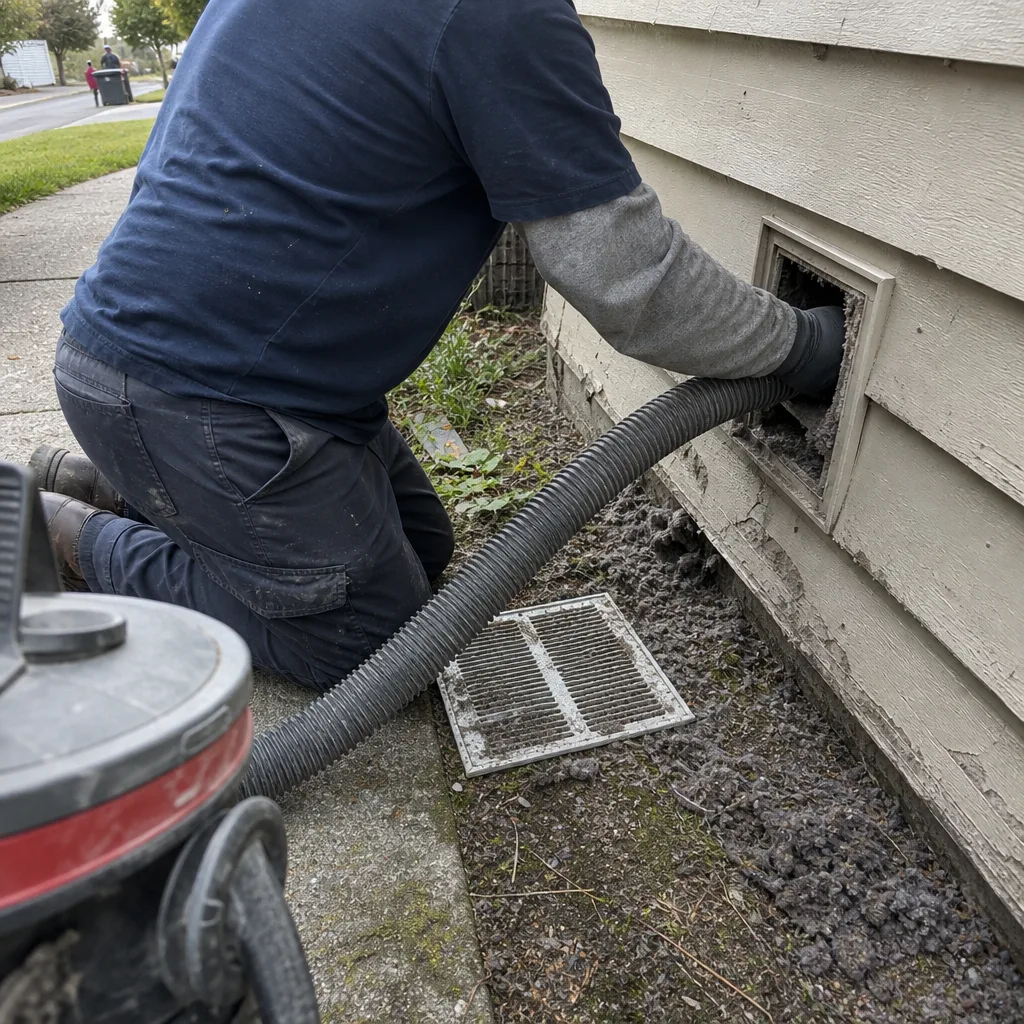 Before
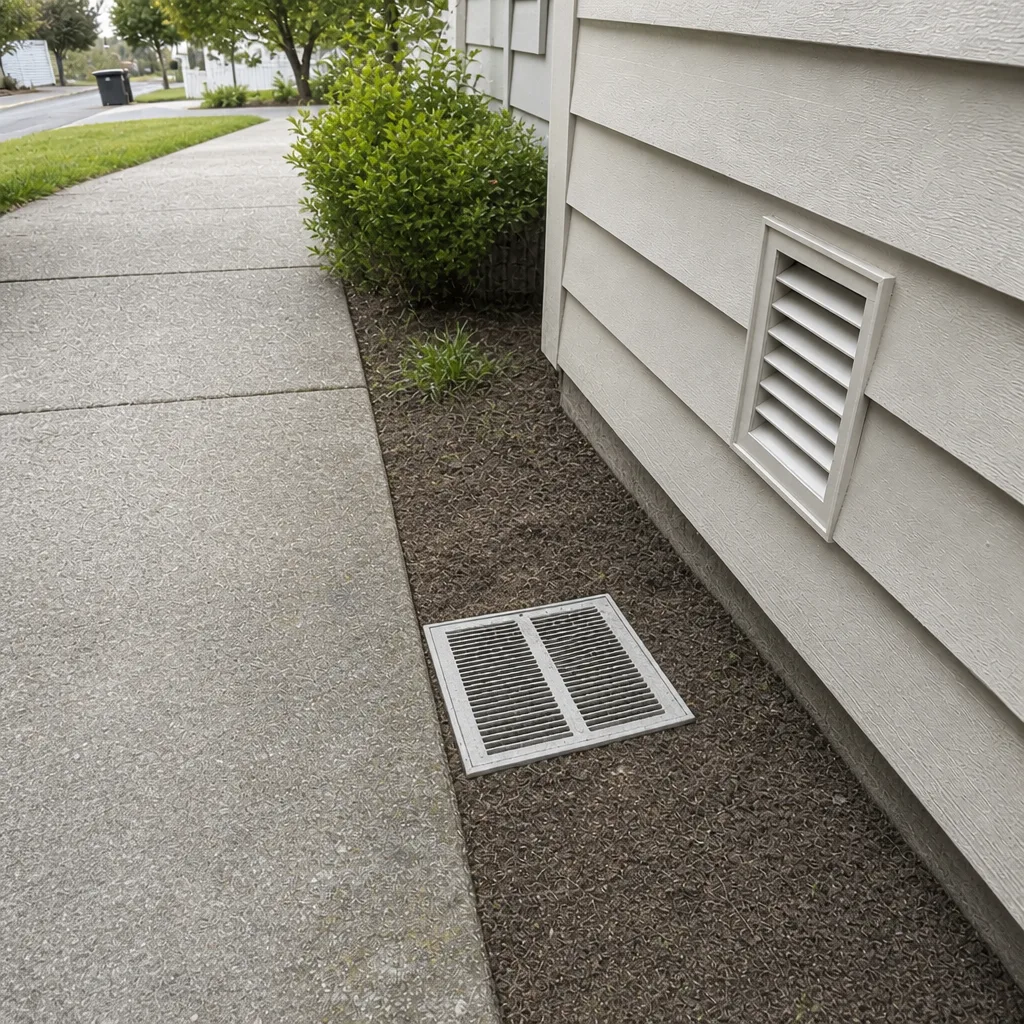 After
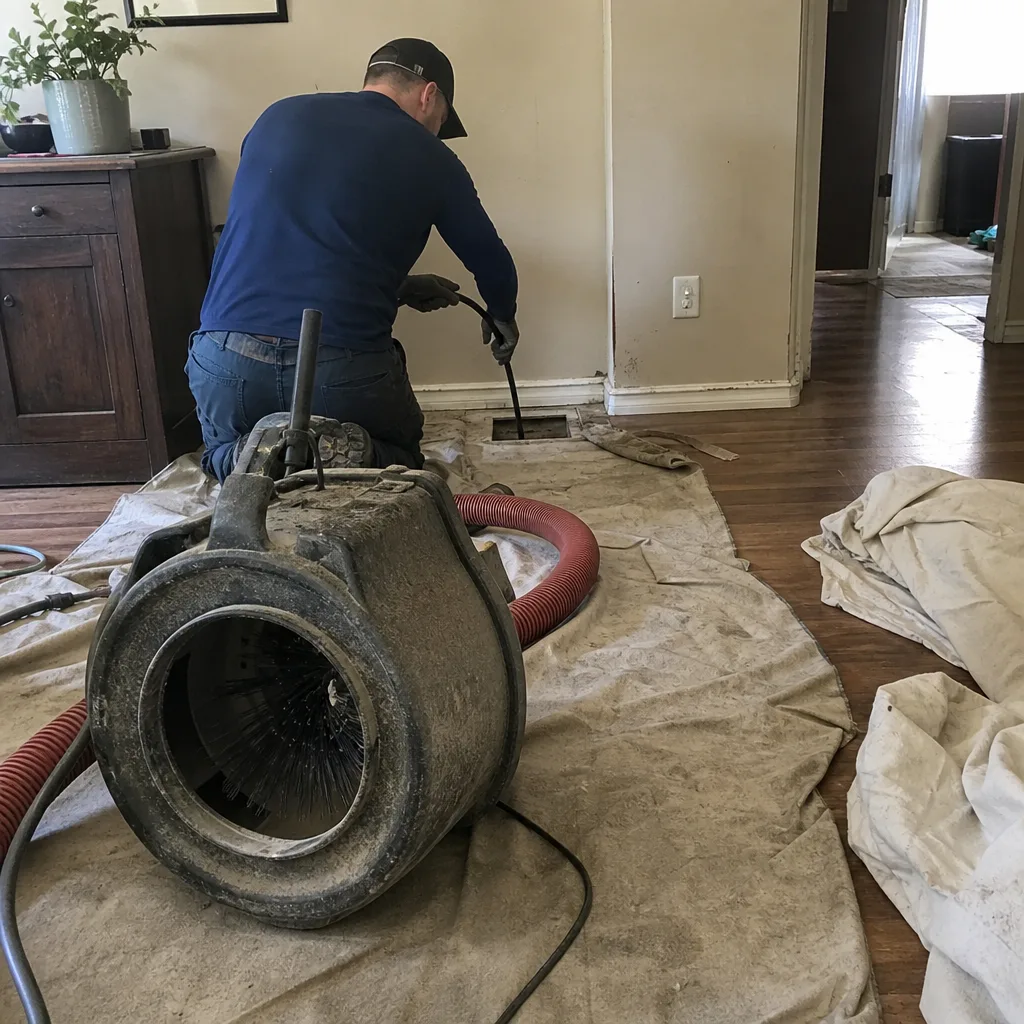 Before
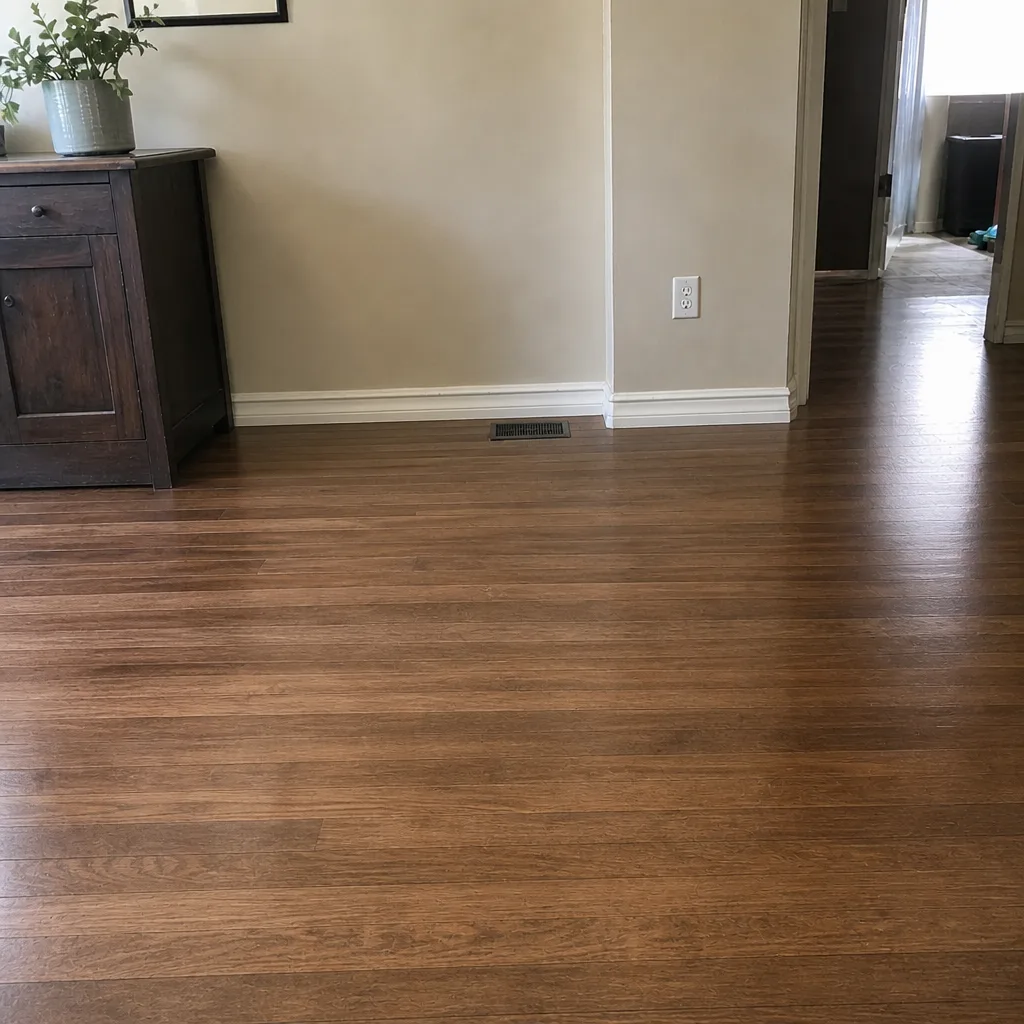 After
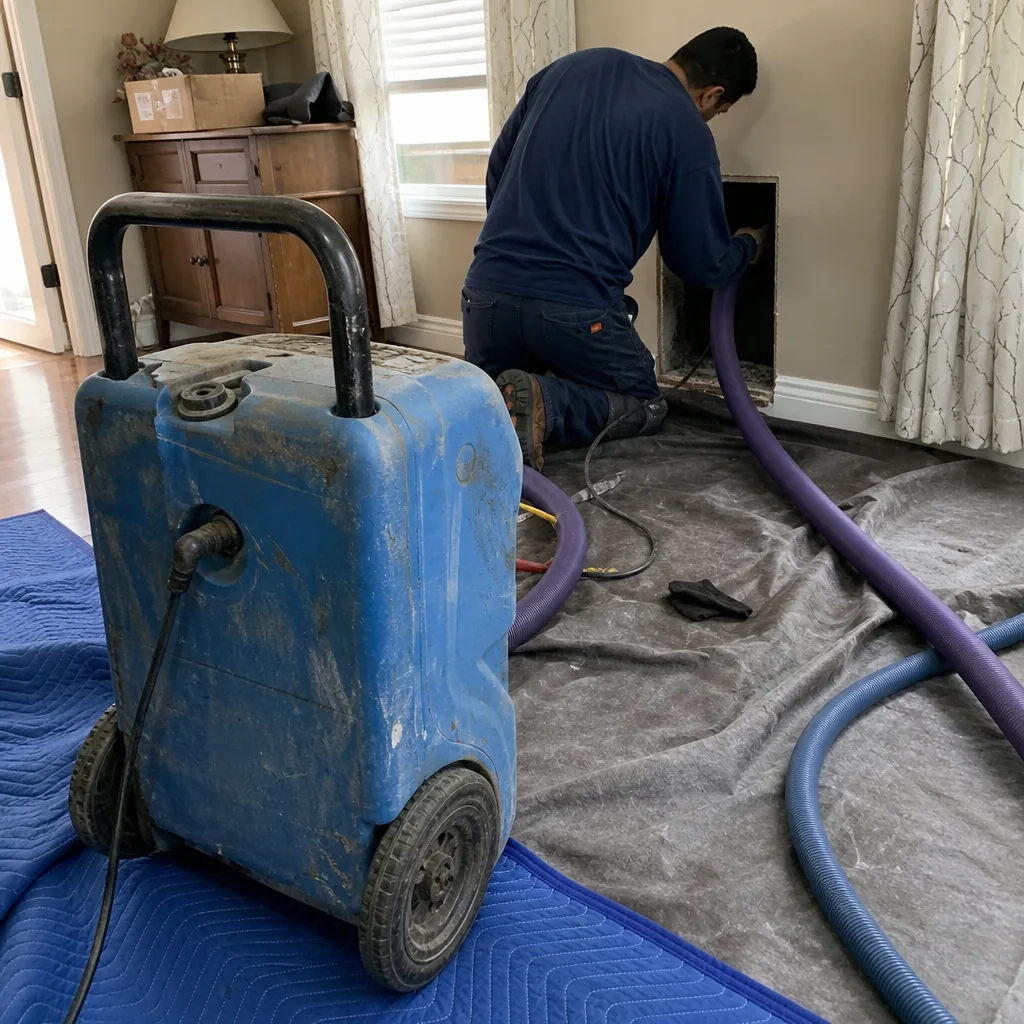 Before
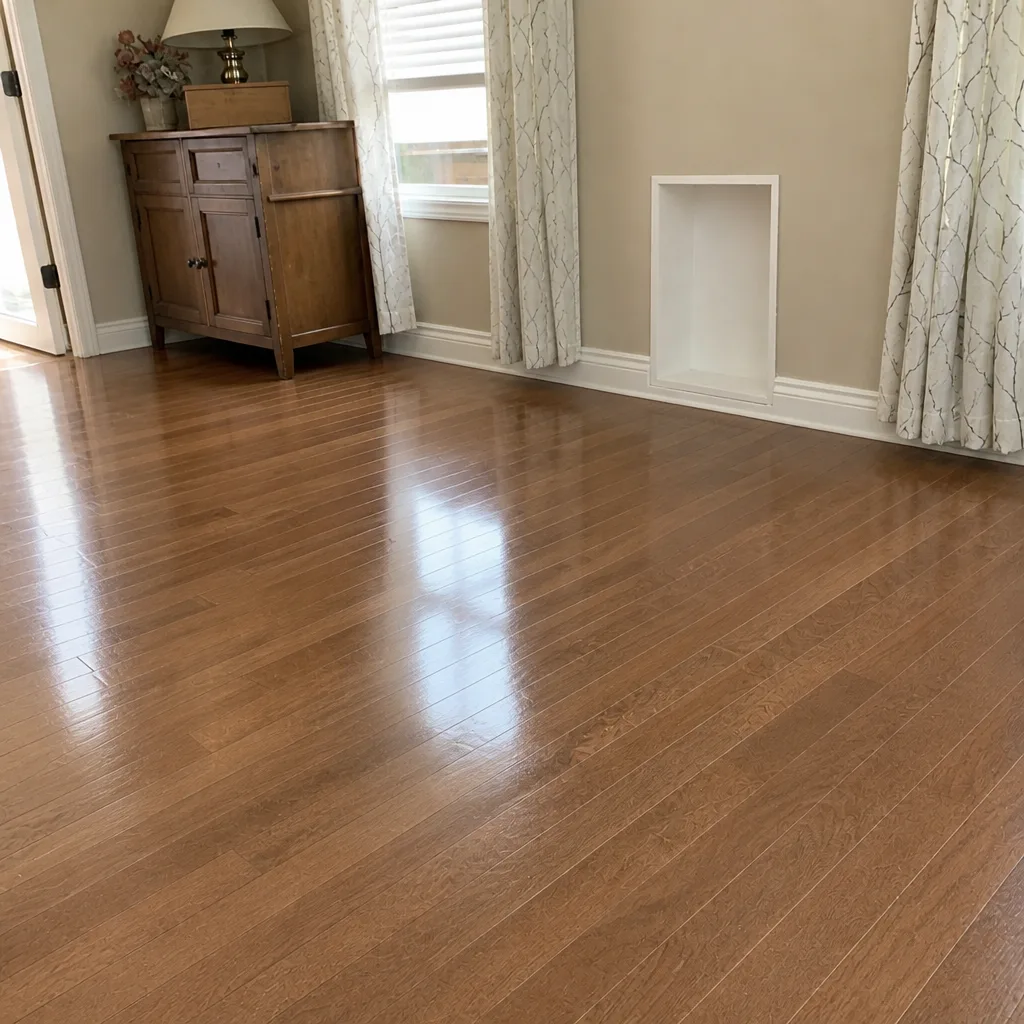 After
When to Call a Professional
You need a professional duct cleaning when you’re seeing something you can’t diagnose from the outside: visible dust blowing from a register, a musty smell that returns every time the system runs, allergy symptoms that get worse inside the house, or a recent renovation that produced significant dust. Pest activity is another trigger, since ducts can become nesting sites. If your dryer takes longer than it should to dry a load, that’s a dryer vent signal, not a duct cleaning signal, and it’s worth calling about separately.
For HVAC components, a professional inspection is warranted if you’ve had performance issues or if the system hasn’t been serviced in several years. If you’re unsure whether you’re dealing with a duct problem or a system problem, ask. South Hill Air Duct Cleaning offers free estimates in South Hill. Call (855) 510-1735. We answer 24/7. Fast dispatch from 7am to 7pm, Sunday through Friday.
Frequently Asked Questions
Duct cleaning in South Hill is priced per system, not per vent, and the exact figure is set by a written estimate after we’ve seen the home. The price depends on the size of the system, how many runs need cleaning, and whether repair or sealing is part of the job. We don’t quote a per-vent price because doing so incentives speed over thoroughness. Call (855) 510-1735 for an exact quote, estimated free.
The cheap quote is usually cheaper for a specific reason: consumer-grade equipment instead of professional gear, no dust containment, or a scope that skips most of the system. A company that doesn’t invest in Rotobrush or Nikro-class equipment has lower overhead, and the work reflects it. Cheap duct cleaning leaves contaminants in place while introducing new dust into your home. Call (855) 510-1735 for an estimate on real equipment.
You know because the technician documents conditions before and after, with photos of your own ducts specifically. Ask for those photos before you book; any serious operator will show them as part of the job. You also know because the technician explains what they found in the return, what they removed, and what they’d recommend, in plain language. Call (855) 510-1735 and ask what documentation you’ll receive.
Most South Hill homes don’t need duct cleaning annually. A reasonable interval depends on what’s happened in the house: a major renovation, pest activity, a moisture problem, or allergy symptoms are all triggers regardless of how long it’s been. For homes without those triggers, every few years is usually enough, but if you have concerns, a free estimate is the right next step. Call (855) 510-1735.
Rotobrush systems use rotary contact tools that physically agitate debris loose from duct surfaces, which settled dust needs in order to release. A shop vacuum can’t do that agitation, and it also can’t contain what it stirs up. Nikro negative-air equipment creates HEPA-filtered containment so contaminants leave the home rather than the duct. Together they accomplish a real cleaning rather than a surface pass. That’s the equipment class we run, and it’s the standard to ask about. Call (855) 510-1735 to schedule a free estimate.
Those are separate services on separate air pathways, and a home can need one, the other, or both. Duct cleaning addresses the supply and return network; dryer vent cleaning addresses lint buildup in the exhaust run from your dryer. If your dryer takes longer than it used to, that’s a dryer vent signal. If your indoor air smells musty or you’re seeing dust at registers, that’s more likely a duct signal. Either way, call (855) 510-1735 and we’ll sort out which service you actually need before booking anything.
The Bottom Line
Choosing the right air duct cleaning company in South Hill comes down to equipment, process, and scope, not logos or review counts. Ask what gear they run. Ask how they contain dust. Ask what happens if they find a tear or disconnected duct. Ask whether they can handle duct cleaning, HVAC cleaning, dryer vent service, repair and sealing, and sanitizing as one job. The answers tell you more than any marketing page ever will. If a technician can explain what they found in your system, they’re a serious operator. If they can’t, keep looking. When you’re ready to compare, we’re reachable at South Hill Air Duct Cleaning.
Call (855) 510-1735 for a free estimate. We answer 24/7. Fast dispatch from 7am to 7pm, Sunday through Friday. South Hill homeowners deserve a full air-pathway answer, and we’re glad to give you one. If you’re starting with one piece, begin with air duct cleaning and we’ll tell you what else the system needs from there. You can also read more at South Hill Air Duct Cleaning.
Written by the team at South Hill Air Duct Cleaning.