
Last updated November 25, 2026
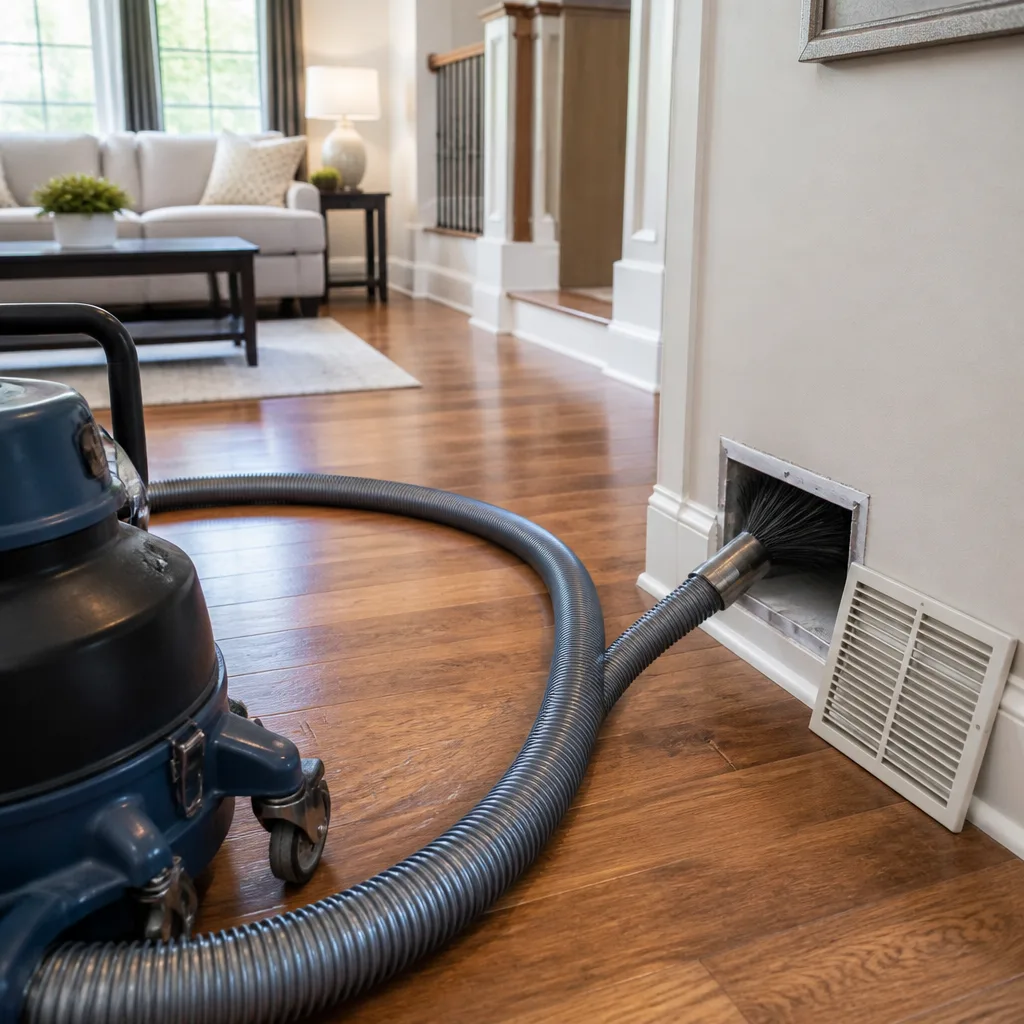 Whole-home duct cleaning
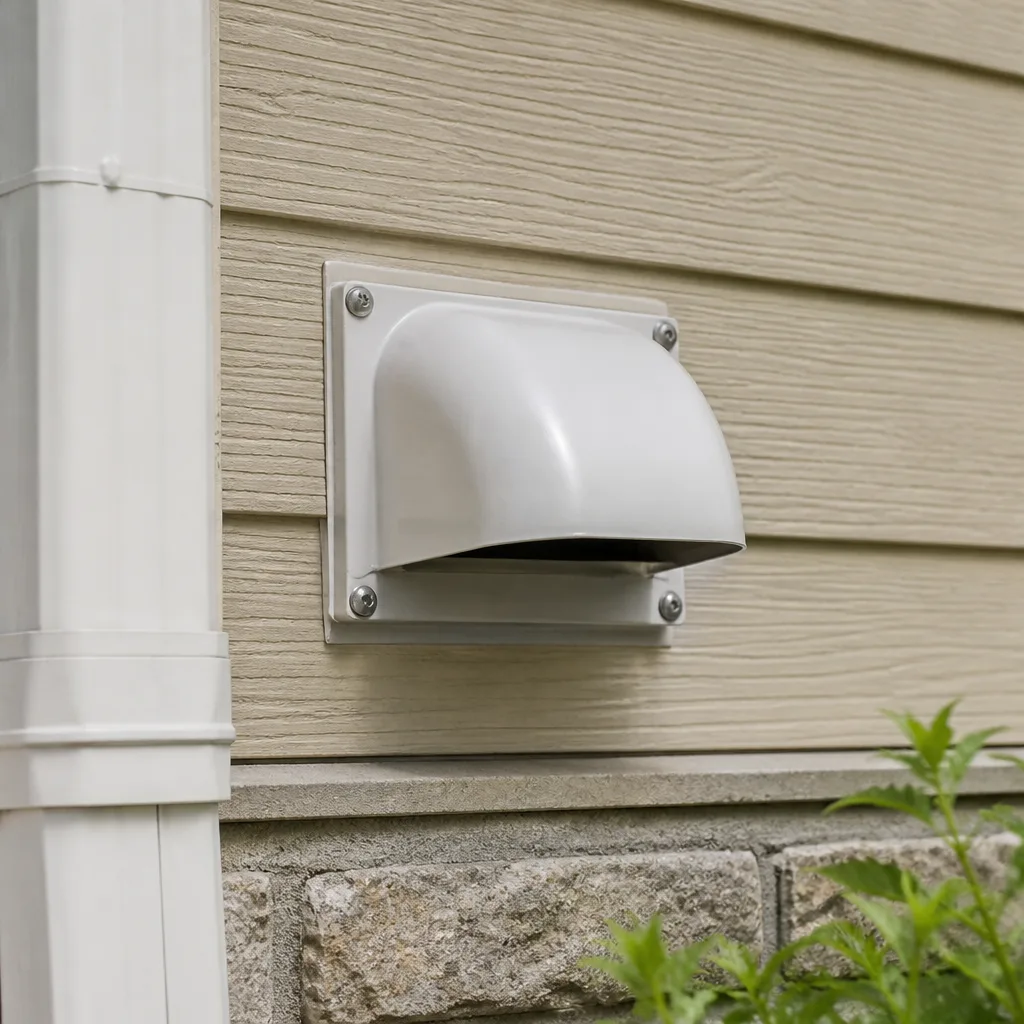 Dryer vent cleaning
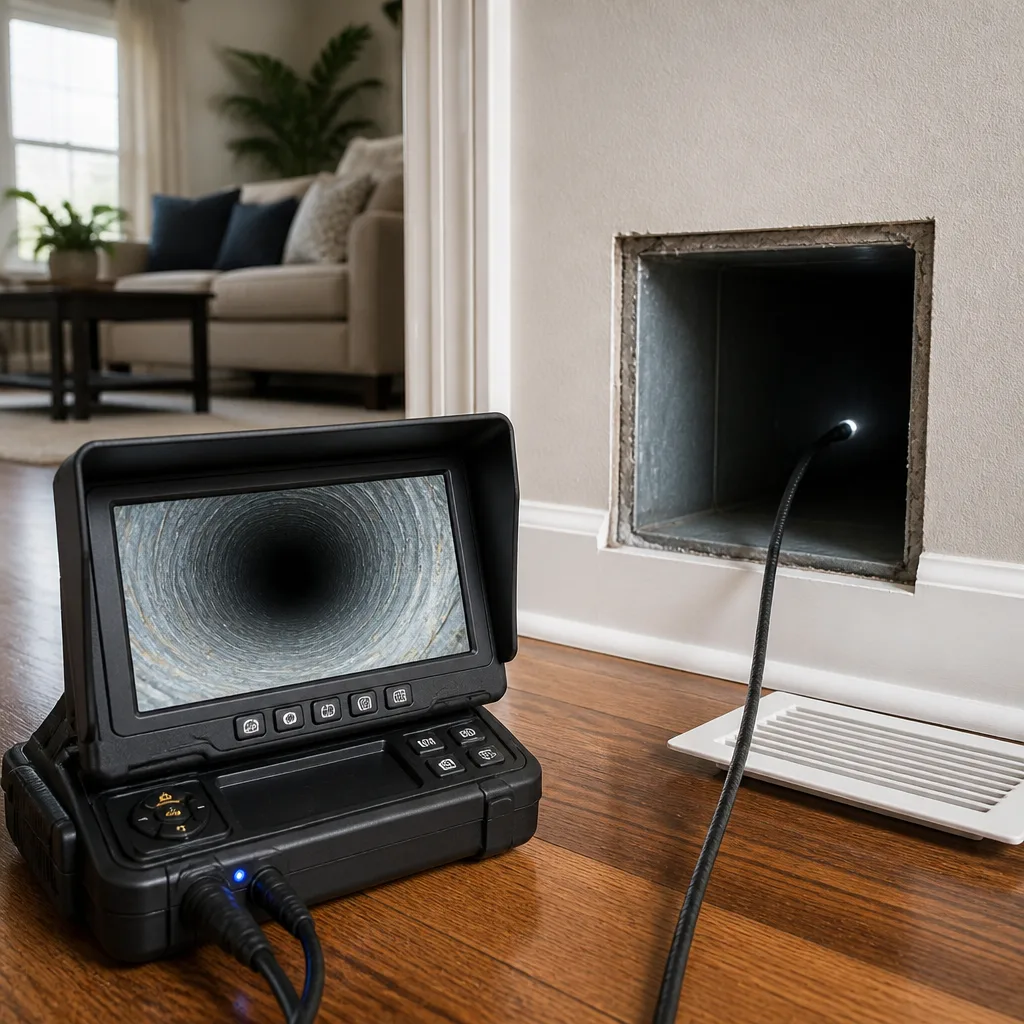 Camera inspection
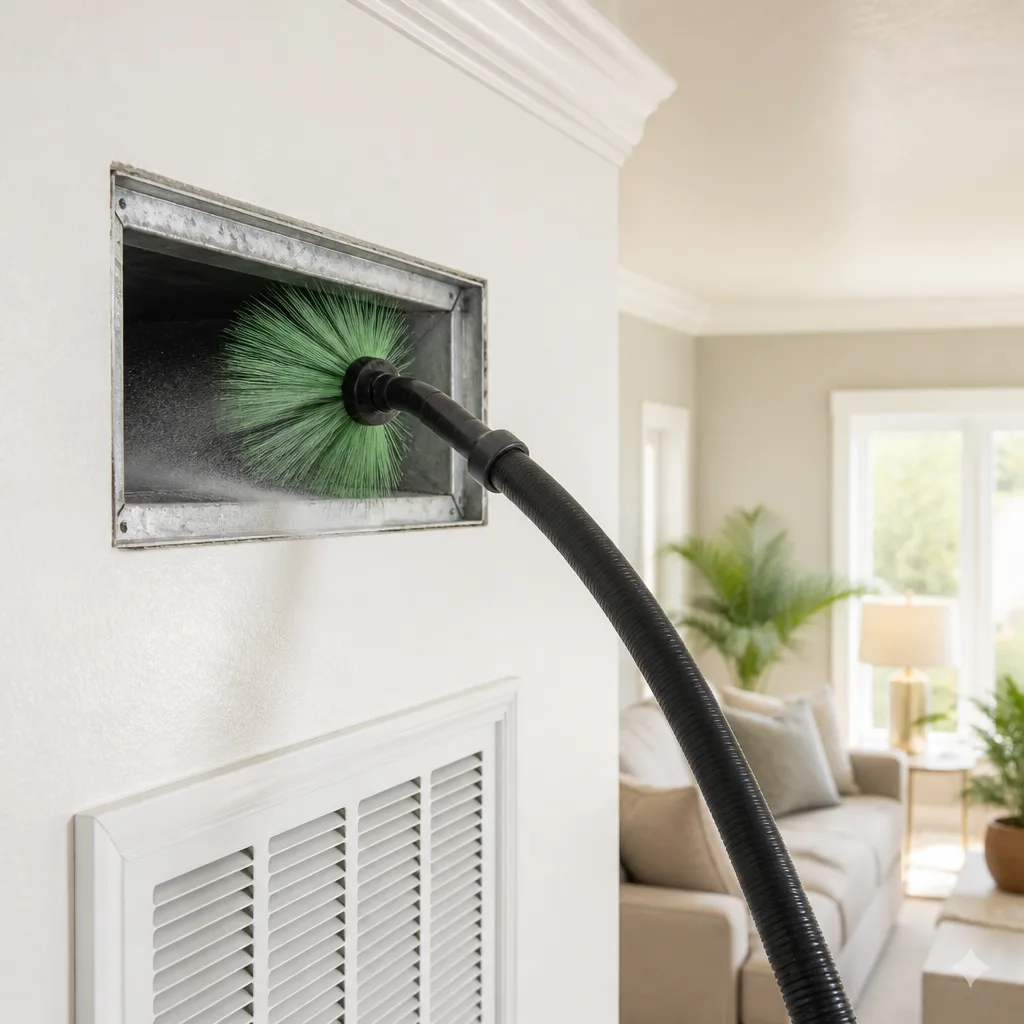 Sanitizing & deodorizing
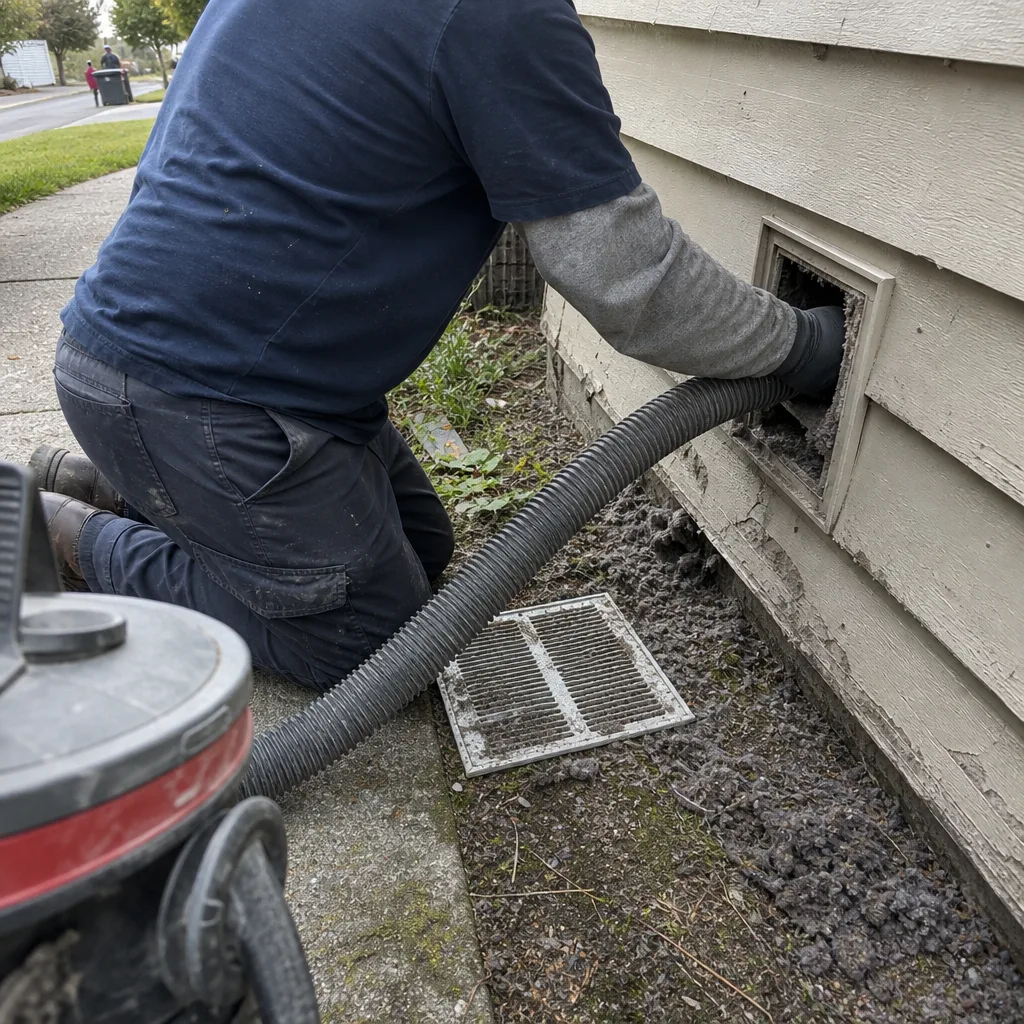
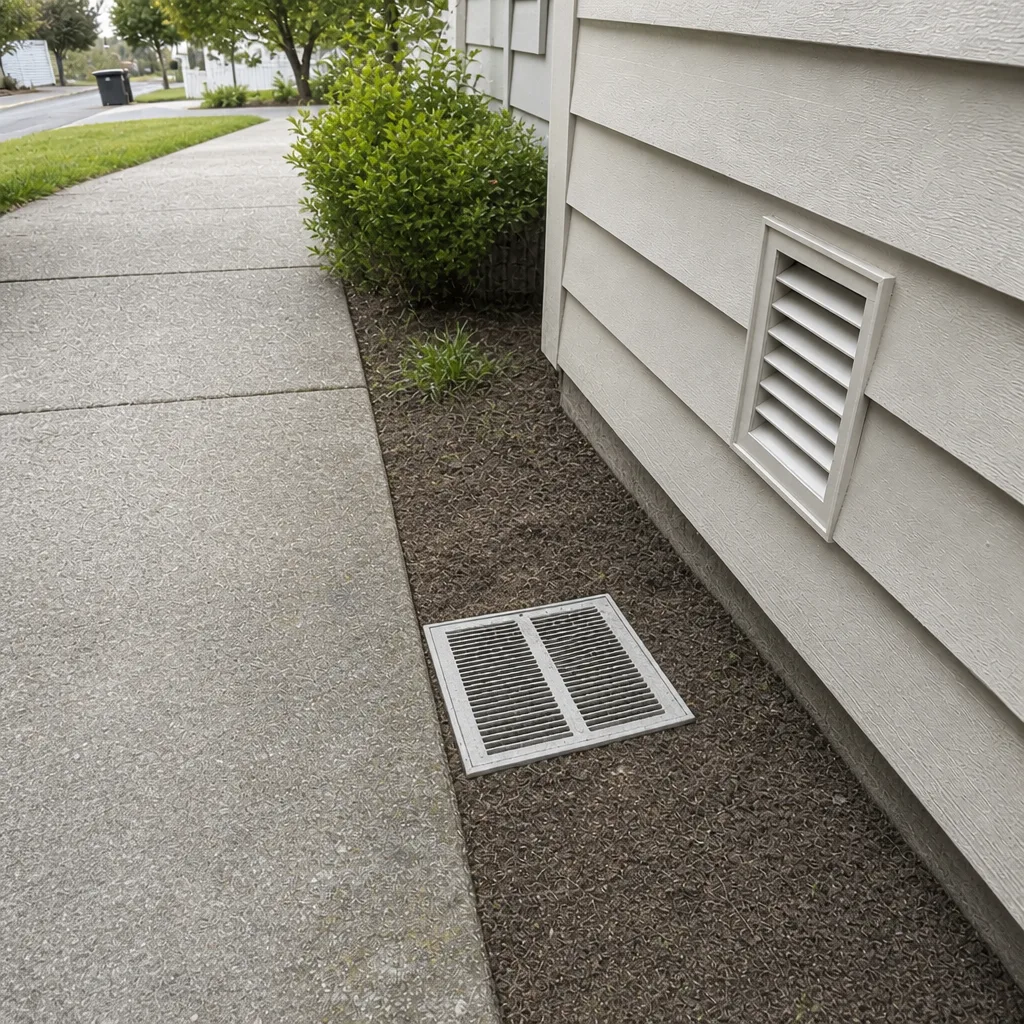
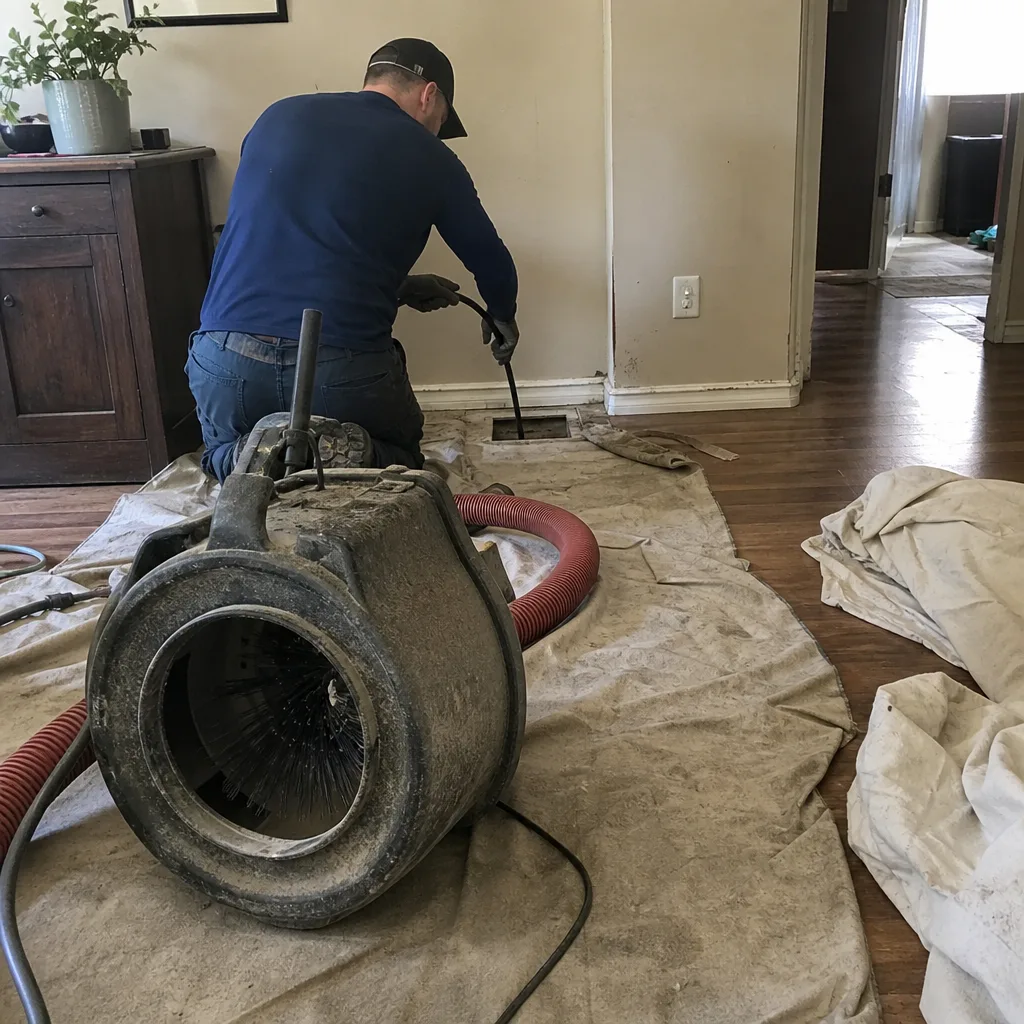
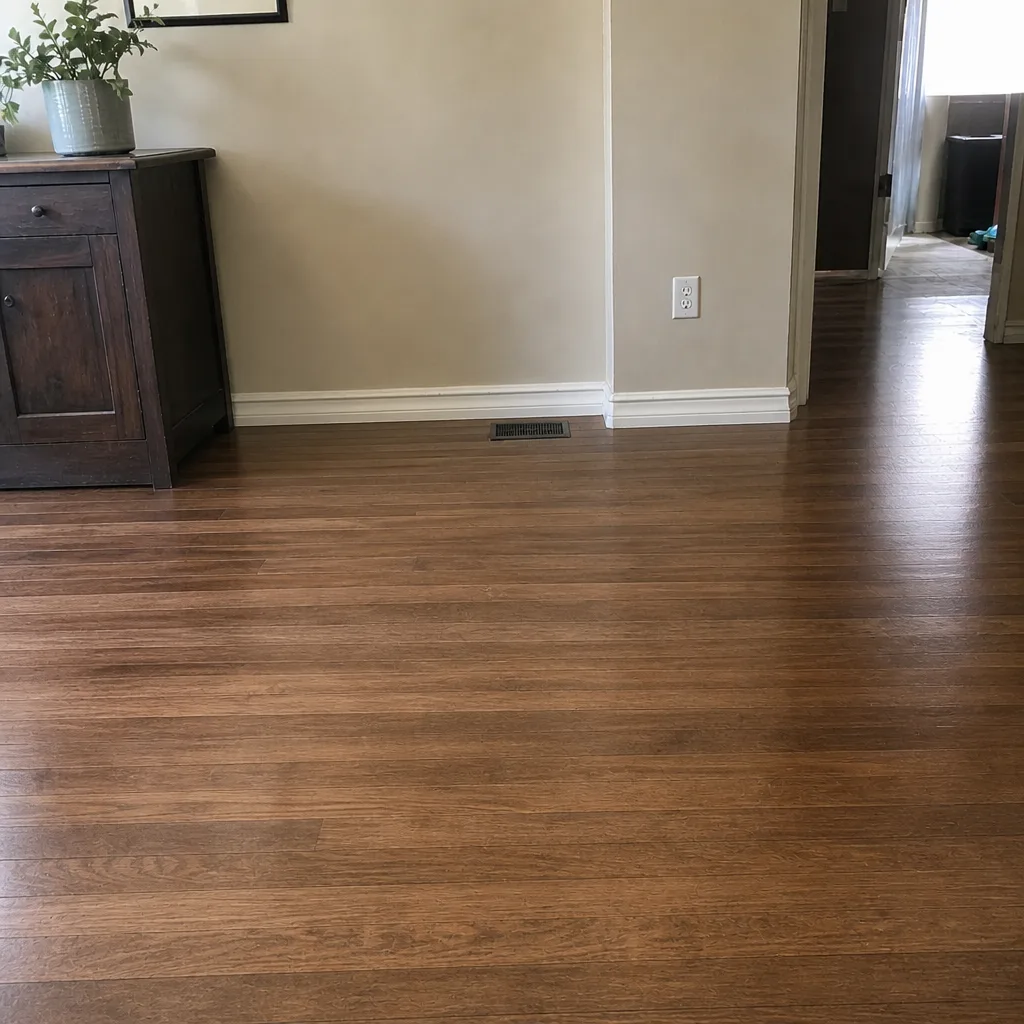
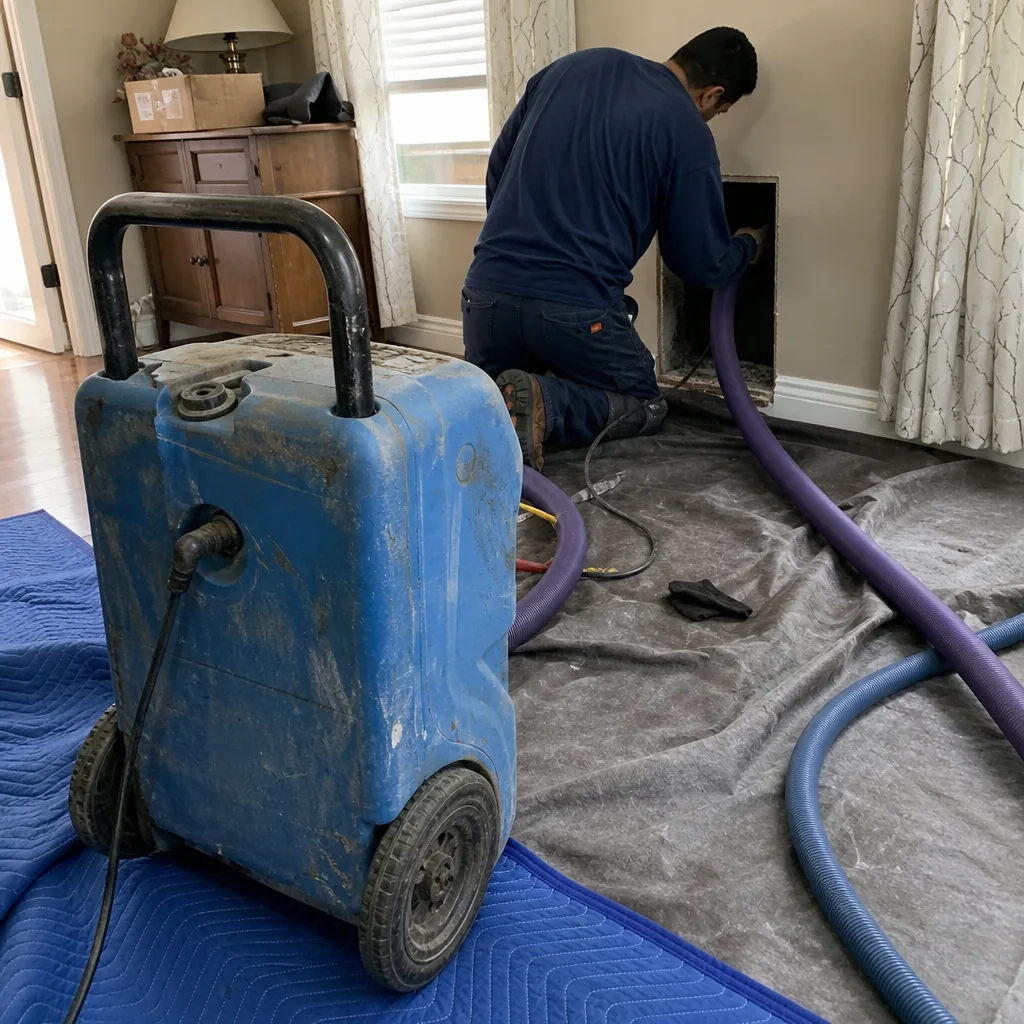
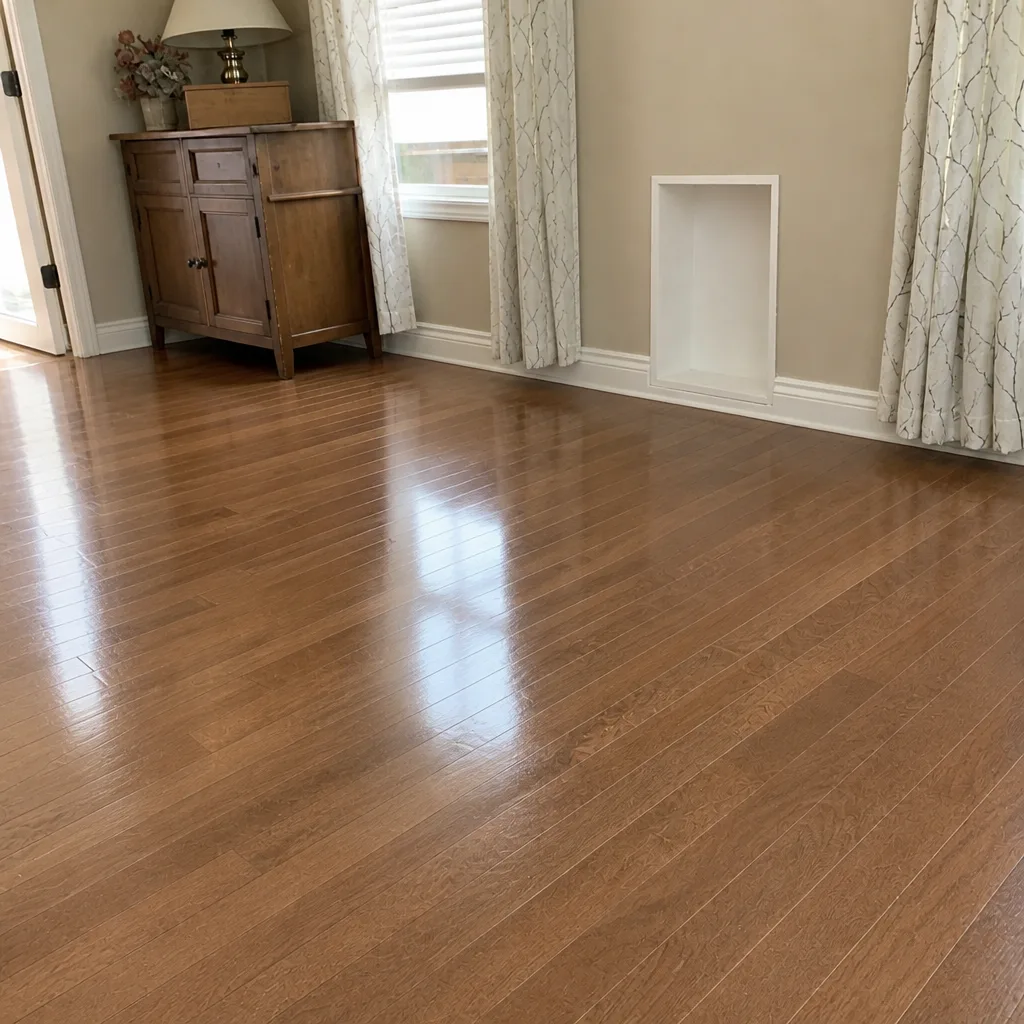
Whole-system duct and dryer vent check with before-and-after photos - you see exactly what came out of your vents
That "$99 whole-house special" is a bait ad - the real number appears once they are in your hallway, or the "clean" is a shop-vac at the register. We photograph the inside of your ducts before and after instead.
DIY vs Professional Air Duct Cleaning: The South Hill Homeowner’s Decision Guide
Most homeowners who look into duct cleaning do it because something changed. A renovation kicked up dust that never settled. A musty smell showed up in one room. Someone in the house started waking up congested every morning. The question that follows is usually about cost, but the real question is about capability. There are jobs around a duct system a homeowner can genuinely do well, and jobs where consumer equipment creates the look of clean without the result. A shop vac and a professional truck run on the same idea, just at very different pressures. That difference decides whether the dust leaves the house or ends up in your living room. Below we break down what South Hill homeowners can handle, what needs a technician, and how to tell the two apart.
Styles & brands we work with
- Whole-home duct cleaning
- Dryer vent cleaning
- Camera inspection
- Sanitizing & deodorizing
Quick Answer
Most homeowners can handle register cleaning, filter changes, dryer vent exterior clearing, and visual inspection with a phone camera. Inside the ductwork itself, DIY work usually underperforms because consumer vacuums can’t create enough negative pressure to contain what a brush dislodges. Professional cleaning makes sense when a system has visible contamination, flex duct, recent renovation debris, pest activity, or moisture problems. In South Hill, our technicians have up to 14 years of experience distinguishing maintenance-level work from jobs that need full professional service.
Table of Contents
- The physics question: why vacuum pressure decides the outcome
- What South Hill homeowners can do effectively themselves
- Where DIY cleaning actually fails – and why flex duct is the hardest case
- The containment problem: the real technical gap
- Why consumer rotary brush kits can make flex duct worse
- Cost analysis beyond the supply price tag
- When DIY maintenance is enough, and when it’s just delay
- When to call a professional
The Physics Question: Why Vacuum Pressure Decides the Outcome
A consumer shop vac creates negative pressure measured in inches of water column – a widely used way to compare suction at the duct, not the hose nozzle. On a straight run of duct, that pressure falls off quickly. Add flex duct ribs, a couple of 90-degree elbows, and a 20-foot hose, and the actual pull at the far register can be barely enough to move surface dust. A professional HEPA-filtered vacuum system paired with a rotary contact brush is designed for a different scale entirely, and more importantly it’s designed to hold that pressure while the brush is agitating the duct wall at the same time.
That’s the principle behind the equipment we use at South Hill Air Duct Cleaning. Rotobrush contact cleaning brushes physically agitate debris from the duct wall, while Nikro negative-air machinery keeps the duct under HEPA-filtered vacuum so the dislodged material travels to a collection tank instead of drifting into the room. When we step up to larger projects, we bring Abatement Technologies equipment for contamination-containment scenarios. The process is the same idea a homeowner has with a shop vac and a brush. The results are not.
Here’s what the equipment gap means in plain terms:
- Pressure loss: every foot of hose and every duct bend drops the suction a consumer unit can deliver to the working end.
- Containment: a HEPA-rated negative-air machine filters what it pulls in, not just collects it.
- Contact: rotary brushes spin against the duct wall under controlled pressure; consumer brush kits often don’t reach beyond a few feet from the register.
- Verification: a technician checks conditions before and after with a camera, and documents both.
None of this means a homeowner can’t do useful work on their own system. It means the useful work has a boundary, and that boundary is the duct interior itself.
What South Hill Homeowners Can Do Effectively Themselves
South Hill homes are a mix of older construction from the 1960s through the 1990s and newer builds in developments off the South Hill commercial corridor. Whatever the era, there’s real work a homeowner can do well, and it makes a professional service easier when the time comes. In our experience, the tasks below genuinely improve air quality and don’t risk damaging the system.
- Change HVAC filters on schedule. A 1-inch pleated filter is usually a 30-90 day swap depending on pets, smoking, and whether the home has carpet. Pull it out, check the color, and replace when it looks dull grey rather than pale.
- Vacuum registers and return grilles. A crevice tool on a shop vac handles the visible dust and pet hair around the faceplate. Pop the grille off if it’s held by screws so you can clean behind it too.
- Clean the dryer vent lint trap every single load. That trap is the first line of defense against lint buildup in the flue. It’s a 5-second task and it matters more than any other single thing in the house for fire safety.
- Clear the dryer vent exterior cap. Walk outside and check the flap or screen. If lint is packed behind it, clean it. If the flap stays stuck open, replace the cap – that lets cold South Hill air and pests into the line.
- Inspect inside registers with a phone camera. Turn the phone light on and slide it in a couple inches. Look for visible dust accumulation, pest droppings, or damp spots. You can’t clean what you see, but you can document it and describe it precisely when you talk to a technician.
If you want a deeper look at what a full system service involves, our air duct cleaning page walks through the process step by step. For the vent side, dryer vent cleaning explains what comes out of a dryer flue when it’s professionally handled. And HVAC cleaning covers the equipment side – coils, blower, drain pan – that no homeowner should try to access on their own.
Where DIY Cleaning Fails – And Why Flex Duct Is the Hardest Case
The reason most DIY duct cleaning attempts fall short isn’t the technique. Homeowners who read up on it usually understand that the brush needs to make contact with the duct wall, that returns need the same attention as supply runs, and that the blower should be off while they work. The gap is the machine. Consumer equipment can agitate dust, but it can’t reliably contain the dust it agitates. That’s the specific point where a DIY effort crosses from helping into hurting.
Three failure modes turn up again and again when a homeowner has tried the job first:
- Redistribution: the brush dislodges debris but the vacuum can’t hold it. Dust that was settled along a horizontal run ends up airborne in the living space, coating furniture within hours.
- Short reach: a consumer brush kit gets 5-10 feet into a straight run and then stops being useful. The back two-thirds of every trunk line stays untouched.
- Flex duct damage: flexible duct has a thin inner liner bonded to a wire helix, wrapped in insulation. It doesn’t tolerate rough contact. A whipping brush abrades the liner, and the liner sheds material that’s harder to remove than the original dust.
Flex duct is common in South Hill home additions, finished basements, and retrofit jobs where rigid duct wouldn’t fit. It’s also where most DIY kits do the most harm. When we take on a job with flex runs, we switch to lower-pressure rotary tools and slower brush speeds, and we watch the duct wall through a camera the whole time. That level of control is what a homeowner doesn’t have with a drill-mounted brush and a shop vac.
The Containment Problem: The Real Technical Gap
If you take away one thing from this guide, it should be this: contamination containment is what separates maintenance cleaning from professional cleaning. A clean duct isn’t a duct that’s had a brush run through it. It’s a duct where the material that came off the walls ended up in a HEPA filter and a collection tank, and where nothing was pushed back into the return-air side while the work was happening.
Containment requires three things working together, and every one of them is the kind of equipment a homeowner cannot reasonably rent:
- Negative pressure at the source. A HEPA-rated vacuum connected at a strategic point upstream pulls the whole duct run toward the vacuum, not toward the register.
- Sealed work ports. Access holes are cut, the vacuum hose is connected, and the port is sealed while the brush runs. No dust escapes into the space around the port.
- Category-rated filtration. HEPA filtration catches particles at a level that ordinary shop vac filters don’t reach. When contamination includes mold spores, pest residue, or renovation debris, that rating is what keeps those particles from relocating to your couch.
We run our South Hill jobs with the same equipment class as commercial remediation. That’s what a Nikro HEPA negative-air machine and Abatement Technologies equipment mean in practice. It’s not marketing language about industrial vacuums. It’s a specific statement about what gets contained and what doesn’t. For a homeowner with allergies, asthma, or a family member recovering from an illness, the containment gap is the entire reason to hire out the job rather than do it themselves.
Why Consumer Rotary Brush Kits Can Make Flex Duct Worse
Rotary brush kits sold for homeowner use are pitched on the same premise as professional brushes: contact agitation clears the duct wall. On rigid sheet-metal duct, they can move some debris loose – though the vacuum containment issue still applies. On flexible duct, they’re a different story. Flex duct’s inner liner is a thin polymer bonded to the wire helix, and its whole job is to keep the insulation from shedding into the airstream. Run a whipping brush against that liner and it can abrade, tear, or delaminate.
Once the liner is damaged, the failure compounds. Insulation fibers that were behind the liner start showing up in the airstream. The damage isn’t visible from inside the house unless you put a camera in there. And repair options drop sharply: a cut or torn flex run has to be replaced, not patched. Replacing a section of duct means a second contractor appointment, sometimes a ceiling or wall opening, and a cost far above the original service the homeowner was trying to avoid.
What we do differently on flex duct is straightforward:
- Brush speed and pressure get dialed down for flex runs.
- We watch the duct interior through a camera in real time and adjust as we go.
- If we find a leak or disconnected section, we repair and seal it the same visit. No second appointment, no referral to another contractor.
- Duct Repair & Sealing is one of our in-house service categories precisely because we find more broken flex in the field than homeowners expect.
That last point matters. A lot of duct cleaners stop at cleaning and hand the homeowner a separate referral when the system has a problem. We keep repair in-house because the two jobs belong together – a clean duct with a disconnected section is a clean duct losing efficiency everywhere downstream.
Cost Analysis: Beyond the Supply Price Tag
Every DIY-vs-pro conversation starts with the same comparison: the cost of a shop vac and a brush kit against a service quote. That comparison leaves out most of the real numbers. When homeowners ask us how the math actually works out for a full house in South Hill, we walk through the full picture. Here’s the same breakdown, side by side.
- Equipment rental or purchase: a shop vac capable of real duct work, a rotary brush kit, extension hoses, and filters usually lands at a significant one-time spend – and most of it sits unused afterward.
- Containment gap: no homeowner rental package includes HEPA negative-air containment. The dust you disturb during DIY work stays in the house.
- Time: a homeowner working alone on 10-15 runs takes the better part of a weekend, plus prep and cleanup. A professional service is usually a single scheduled visit.
- Outcome quality: surface dust off the visible runs vs. full-length trunk and branch cleaning under containment.
- Risk cost: damaged flex duct, dislodged joints, and dust redistribution into the living space. Repair costs dwarf any savings.
Then there’s the honest professional cost. Air duct cleaning for a typical South Hill home is priced per job based on the number of systems, the number of runs, and whether there’s contamination that changes the scope. We quote a flat price per system after a walkthrough – not per vent, not a coupon rate that grows on-site. The written estimate sets the final price, before any work starts. That’s the piece most homeowners are actually afraid of when they hire a duct cleaner, and it’s the piece we try hardest to get right.
On the dryer vent side, we offer dryer vent cleaning as a standalone service because it’s one of the leading causes of residential fires and HVAC-only providers routinely skip it. A homeowner clearing the trap and cap is real maintenance. Clearing a packed flue is a different job with different tools.
When DIY Maintenance Is Enough, and When It’s Just Delay
Every system has a baseline of homeowner maintenance that’s not just sufficient – it’s required. If you change filters on schedule, vacuum registers twice a year, clear the dryer vent cap, and pull the lint trap every load, you’re doing the maintenance-level work a healthy system needs. A newer South Hill home with rigid galvanized duct, a clean filter schedule, and no recent renovation can run years on that maintenance alone.
Delay enters when the maintenance work stops being enough, but the homeowner keeps doing it anyway. Signs that a system has crossed from “maintenance territory” into “service territory” include:
- Musty or stale smell that shows up when the heat or AC kicks on.
- Visible dust puffing out of a register right after a filter change.
- Recent renovation – drywall dust and construction debris settle deep in the trunk line and don’t lift out with the vacuum you own.
- Pest activity – droppings in or near registers, or evidence of rodents in the ductwork.
- Allergy or asthma symptoms that get worse indoors and improve when away from home.
- Uneven airflow between rooms that filters alone don’t fix.
- A dryer that takes longer than it used to per load, or feels hot to the touch on the outside.
When two or more of those show up at once, DIY cleaning is almost always delaying a service the system already needs. The South Hill area’s mix of older housing stock and recent renovations means we see this most often in homes that have had a kitchen or basement project in the last 18 months. Drywall dust settles into duct walls and doesn’t come out with a shop vac.
When to Call a Professional
Call a professional when the duct interior has visible contamination, when the system includes flex duct sections that a consumer kit could damage, when there’s been a renovation, pest activity, or moisture problem, when allergy symptoms have become part of daily life indoors, or when the dryer vent flue is packed beyond the exterior cap. Also call if you’re not sure which of those applies and want a camera look – the whole point of an inspection is to make the decision easier, not harder. South Hill Air Duct Cleaning offers free estimates in South Hill. Call (855) 510-1735. We answer 24/7. Fast dispatch from 7am to 7pm, Sunday through Friday. We quote a flat price per system after a walkthrough, hand you a written estimate, and document before-and-after conditions so you know exactly what changed.
Common Mistakes to Avoid
- Running a consumer brush kit through flex duct. Whipping a rigid brush against flex duct liner abrades it and sheds fiberglass into the airstream. Flex runs need lower-pressure tools and a camera to watch for damage.
- Cleaning without containment. Any brush that dislodges dust without a HEPA vacuum holding it down redistributes that dust into the living space. South Hill homes with carpet compound the problem because settling dust keeps cycling through the HVAC every time the system runs.
- Skipping the returns. Homeowners focus on supply registers. Return grilles and the return trunk carry the same debris load, and in older South Hill houses the return is often the longest run in the system.
- Assuming a filter change fixed the problem. A high-MERV filter upgrade can help, but it can also restrict airflow on an undersized system. If airflow drops after a filter upgrade, the filter isn’t the right spec for that blower, and Honeywell or Aprilaire solutions may fit better.
- Ignoring the dryer vent because “the trap is clean.” The trap catches lint from every load, but plenty gets past it and packs the flue over time. The exterior cap is the only place to see the real condition, and it’s a five-minute check.
- Hiring on a per-vent price. Per-vent pricing rewards the technician for counting vents, not for cleaning them. A per-system flat price quoted after a walkthrough is the fairer structure.
- Not asking for before-and-after documentation. Any cleaning company that can’t show you what was in the ducts before and what’s there after is asking you to take their word for it. Ask up front.
Frequently Asked Questions
Air duct cleaning for a typical South Hill home is priced per job, based on the number of systems, the number of runs, and whether contamination changes the scope. We don’t publish a per-vent price – the written estimate after a walkthrough sets the flat price per system and the final cost. Call (855) 510-1735 for a free estimate; estimates are free. We answer 24/7. Fast dispatch from 7am to 7pm, Sunday through Friday.
Low quotes usually come from per-vent pricing that grows on-site, or from crews working without HEPA containment and camera verification – the same failure modes a DIY attempt has. A quote that’s honest about scope, equipment, and what the estimate covers will land higher than a coupon number every time. Call (855) 510-1735 for an exact quote against your actual system.
Ask for before-and-after photos of your own ducts. We document conditions before and after every job – cut ports, interior shots, and the collection from each run – so you see what changed. If a company can’t show you, that’s your answer. Call (855) 510-1735 to schedule an inspection with documentation.
Most South Hill homes need professional cleaning every few years at most, and some need it rarely if the maintenance work is kept up. The exception is any home that’s had recent renovation, pest activity, water intrusion, or a family with strong allergy symptoms – those situations override the general interval. Call (855) 510-1735 for a free estimate if you’re within a few years of the last service.
Register cleaning and vacuuming are legitimate homeowner tasks and worth keeping up with, and doing them well reduces the surface load the system carries between professional visits. They don’t replace duct cleaning because the shop vac never touches the trunk or the branch runs past the first bend. Call (855) 510-1735 to talk through which tasks make sense for your system.
Air sanitizing is a post-cleaning treatment that reaches surfaces the rotary brush can’t physically touch – coils, plenum, and the far end of runs where scrubbing doesn’t reach. We apply Guardsman-brand protection products as part of the process, which adds a documented post-cleaning surface treatment on top of the mechanical cleaning. Call (855) 510-1735 to find out whether sanitizing fits your system.
The Bottom Line
DIY air duct maintenance is real maintenance, and we’d rather see homeowners do it well than skip it. Filters, registers, dryer vent caps, and visual inspections with a phone camera all make a measurable difference. Inside the ductwork, the equipment gap between a shop vac and a HEPA negative-air machine with a rotary contact brush is the difference between cleaning and redistributing. On flex duct, that gap widens into a damage risk. South Hill homeowners who keep up with the maintenance tasks and hire out the interior cleaning end up with better results and lower long-term cost than the ones who try to do the whole job with a rental kit. We work across the full air pathway – ducts, dryer vents, HVAC components, and filtration – and we document what we find. If you’re not sure which side of the line your system is on, that’s exactly the conversation a walkthrough is designed for.
South Hill Air Duct Cleaning connects homeowners, landlords, and property managers with vetted local professionals across Air Duct Cleaning, Dryer Vent Cleaning, HVAC Cleaning, Duct Repair & Sealing, and Air Quality & Sanitizing. Our technicians have up to 14 years of experience, and we use Rotobrush contact cleaning, Nikro HEPA negative-air equipment, and Abatement Technologies containment gear – the same grade used in commercial and remediation work. If a leak or disconnected section turns up, we repair and seal it the same visit. When filtration upgrades make sense, we work with Honeywell and Aprilaire products to fit what the system actually needs. Call (855) 510-1735 for a free estimate. We answer 24/7. Fast dispatch from 7am to 7pm, Sunday through Friday.
For a full view of the services behind this guide, start at South Hill Air Duct Cleaning.
Written by the team at South Hill Air Duct Cleaning.
See the difference
 Before
 After
 Before
 After
 Before
 After