
Last updated November 25, 2026
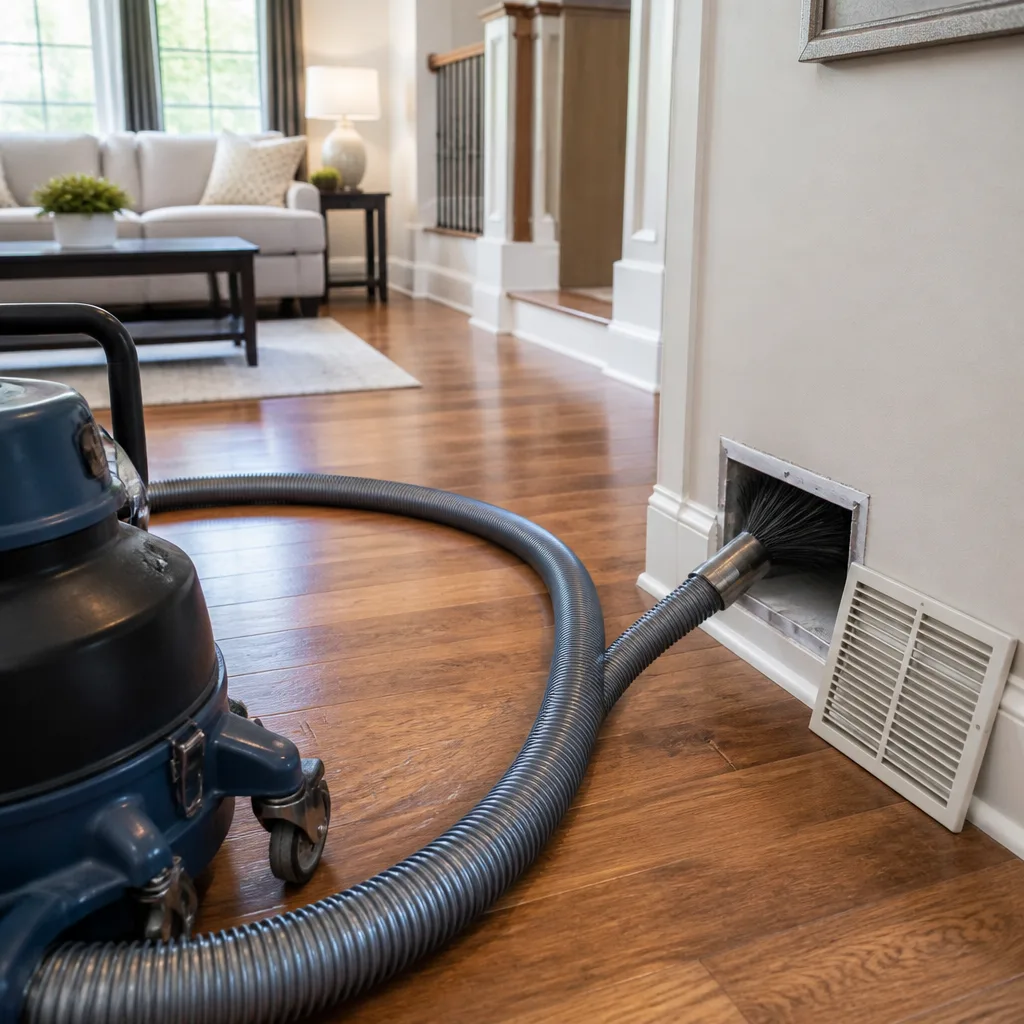 Whole-home duct cleaning
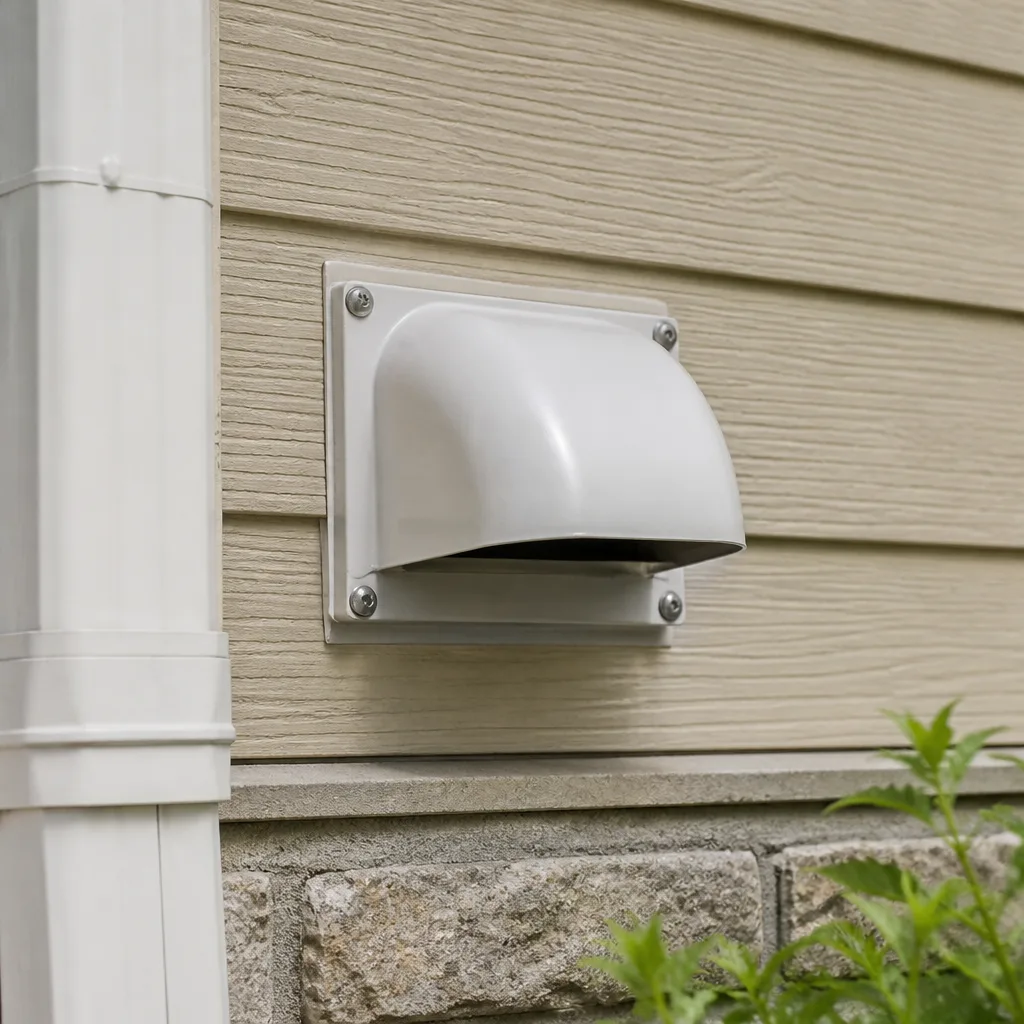 Dryer vent cleaning
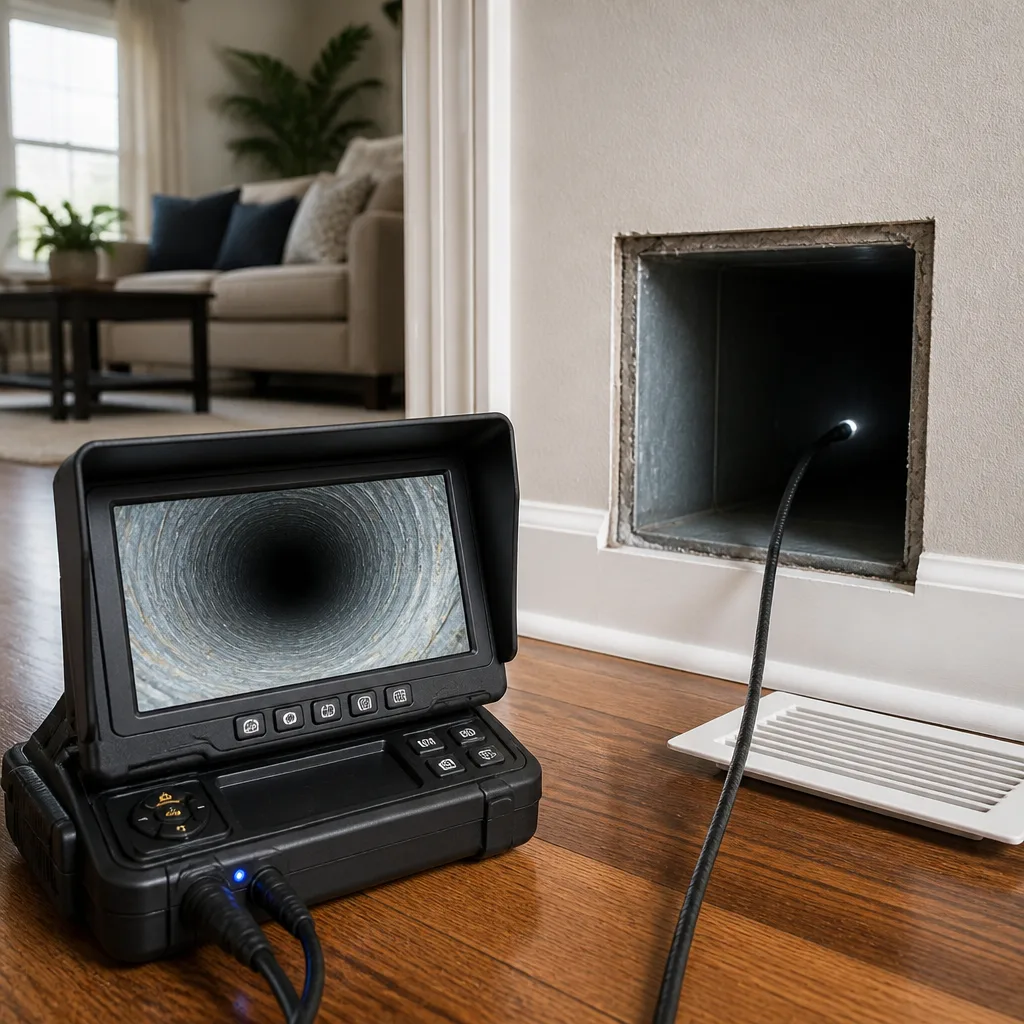 Camera inspection
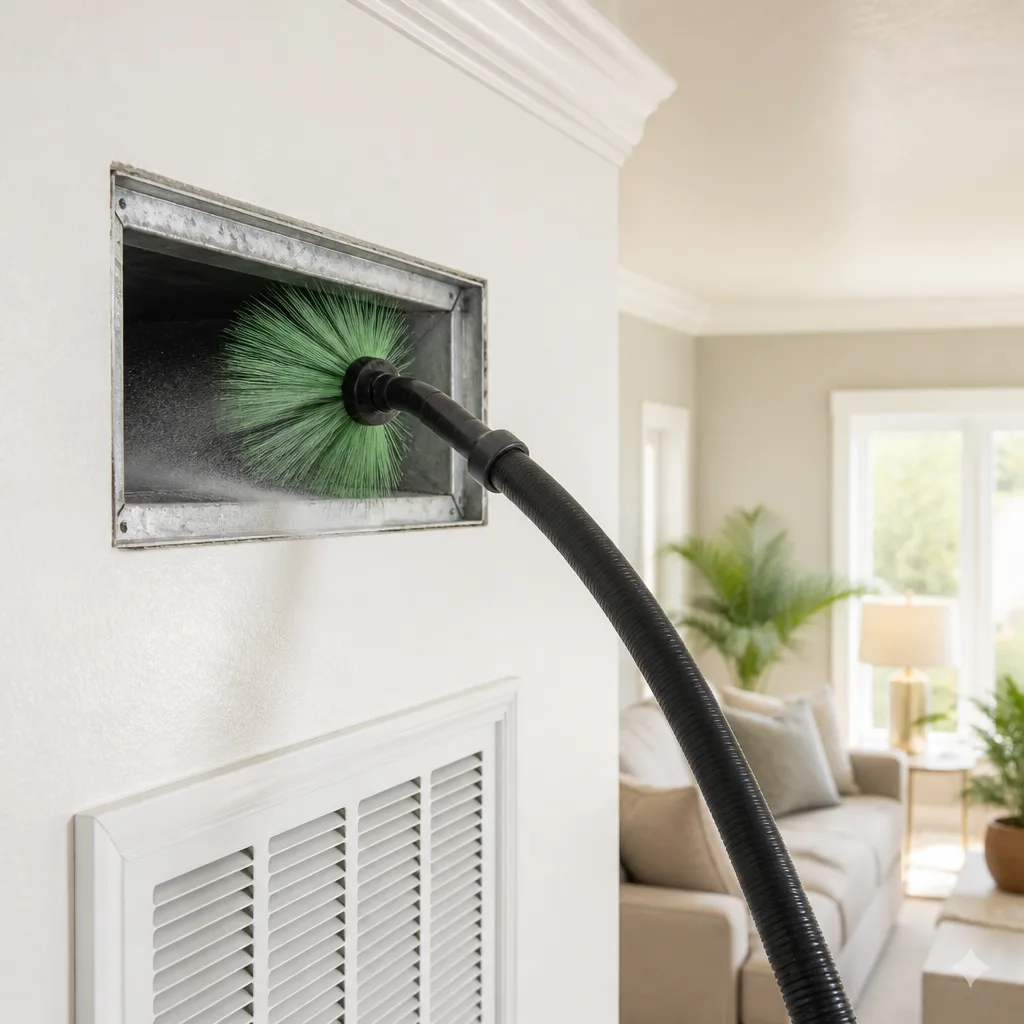 Sanitizing & deodorizing
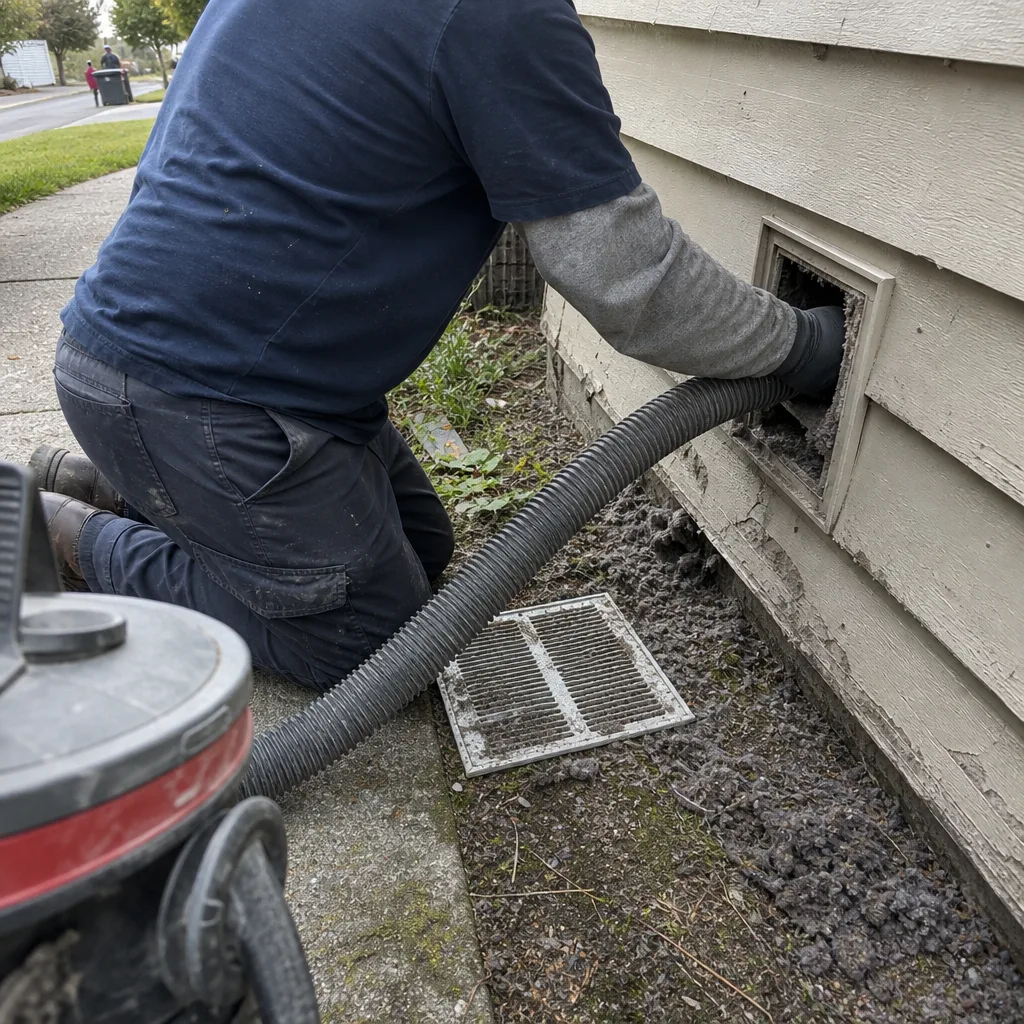
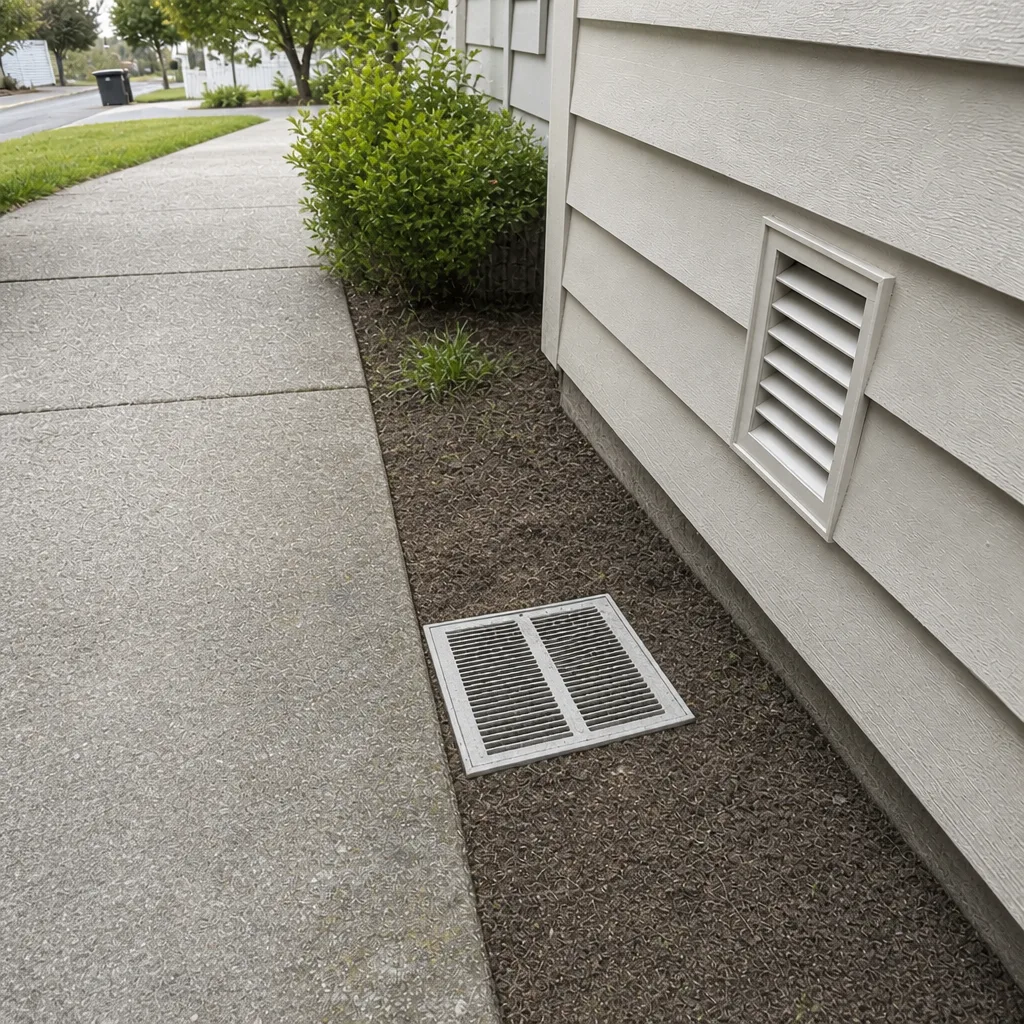
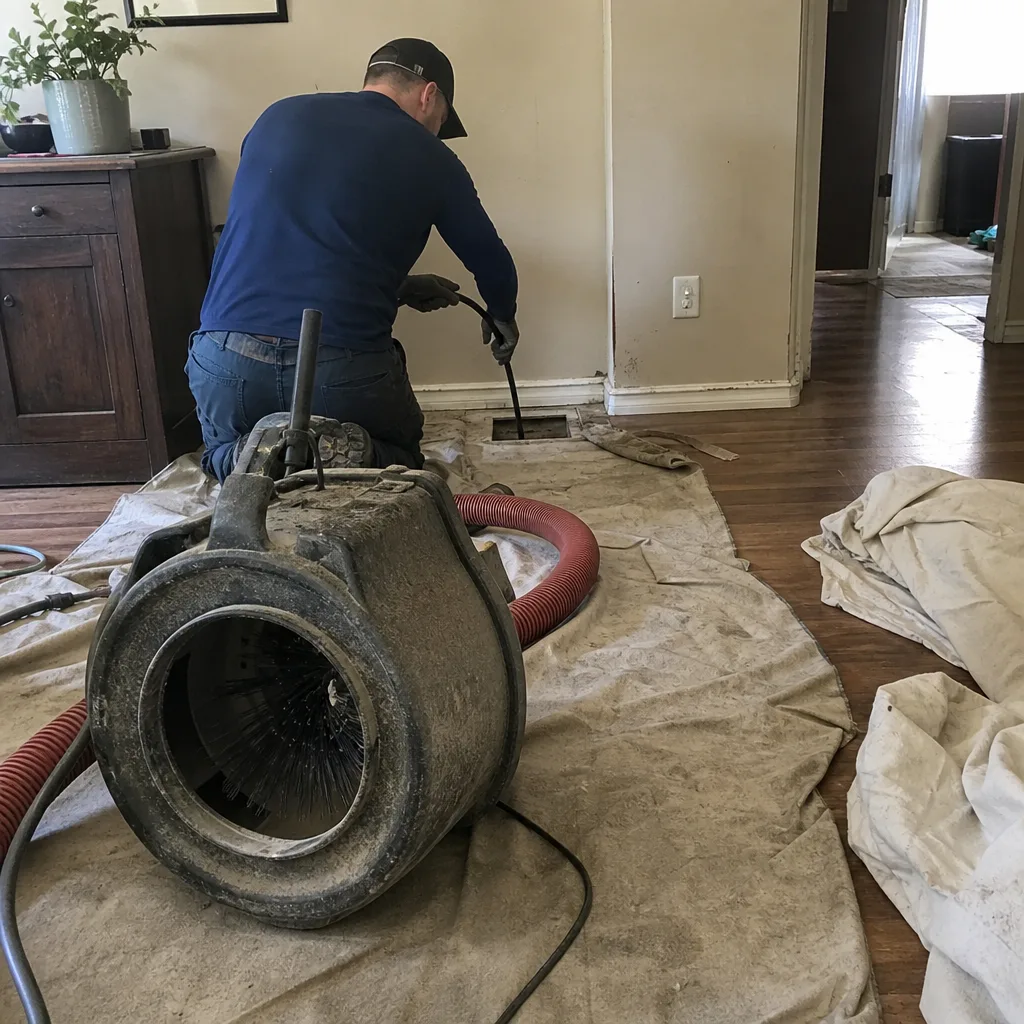
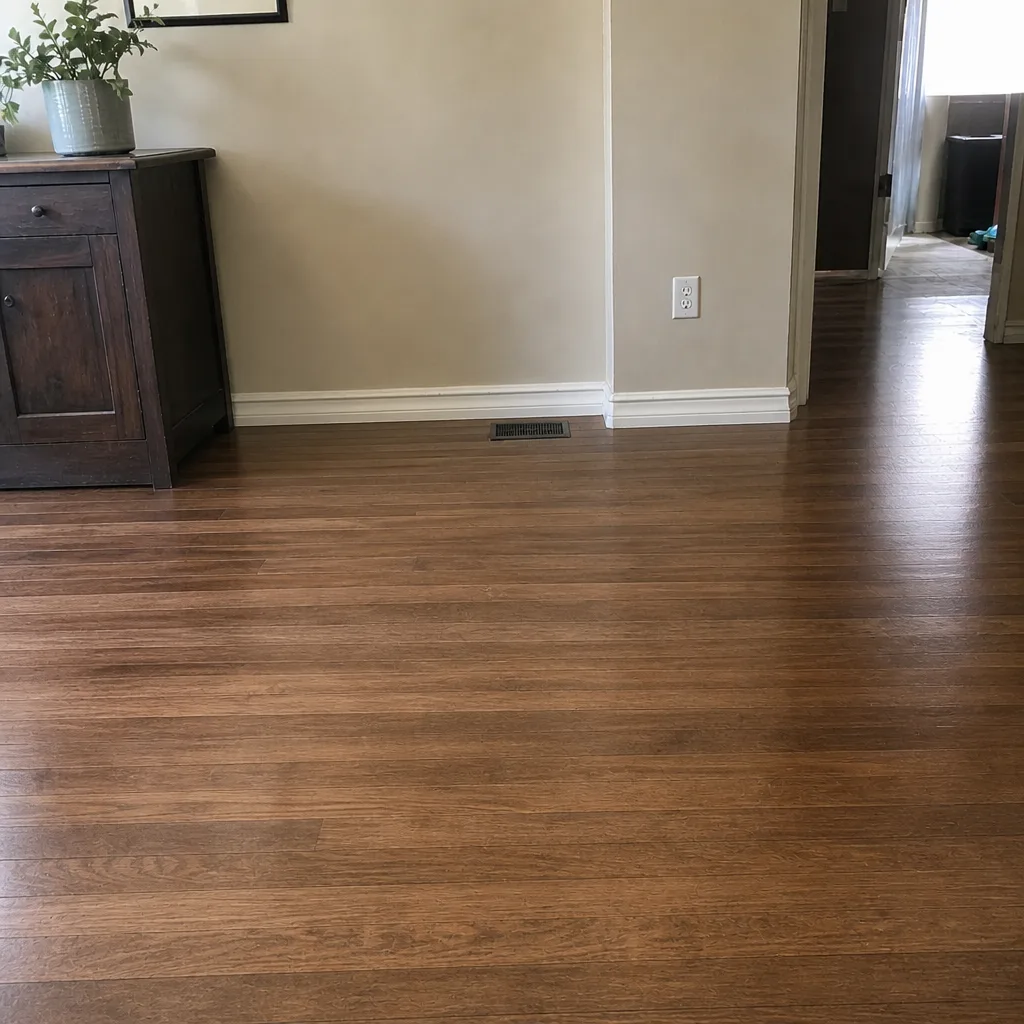
Whole-system duct and dryer vent check with before-and-after photos - you see exactly what came out of your vents
That "$99 whole-house special" is a bait ad - the real number appears once they are in your hallway, or the "clean" is a shop-vac at the register. We photograph the inside of your ducts before and after instead.
Air Duct Cleaning Maintenance Checklist for South Hill Homeowners
Technicians who clean ducts in South Hill’s newer subdivisions find the same thing repeatedly: ductwork that’s fairly clean, connected to a blower wheel packed with dust and a coil face that’s gone dark. Most homeowners never look at either component, because every maintenance list they’ve read stops at the filter. That order is backwards. The filter catches what it can, then the blower and coil take whatever slips past it, and neither one announces trouble. This checklist walks you through your system the way a technician does, component by component, so you know what to inspect yourself and what to hand off. It’s written for South Hill homes specifically.
Quick Answer
A workable air duct maintenance routine for South Hill homes runs on three rhythms: check the filter monthly and replace it on schedule, inspect registers, visible flex duct, and the dryer vent cap every season, and schedule professional cleaning of the full system roughly every two to three years, sooner after remodeling or pest activity. The parts most homeowners miss are the blower wheel, the coil face, and the dryer vent exterior cap. Those three drive most of the problems we’re called out to fix.
Styles & brands we work with
- Whole-home duct cleaning
- Dryer vent cleaning
- Camera inspection
- Sanitizing & deodorizing
Table of Contents
- What You Can Inspect Yourself
- Reading Your Registers: Discoloration, Airflow, and Debris
- The Filter Housing: Three Things to Check Monthly
- What Requires a Technician: Blower, Coil, and Plenum
- The Dryer Vent as a Parallel Maintenance Item
- How to Log Maintenance History So It’s Actually Useful
- When a Checklist Item Crosses From Monitor to Schedule Service Now
- A Seasonal Rhythm That Fits South Hill Weather
What You Can Inspect Yourself
Four parts of your system are accessible without opening equipment or removing panels: registers and grilles, visible sections of flex duct, the filter and its housing, and the exterior dryer vent cap. Those four are where homeowners can gather real information. Everything downstream of them belongs in the professional column, and we’ll cover why in a later section.
Here’s the homeowner-side inspection sequence, done once per season:
- Walk every room and look at each supply register. Note streaks, dust rings, or dark halos around the grille. Photograph anything odd so you can compare next time.
- Hold a tissue or your hand near each register while the system runs. You’re testing for balanced airflow, not for a specific measurement. A register that feels noticeably weaker than bedrooms of similar size is a signal.
- Remove and inspect the filter. Hold it up to a light source. If you can’t see light through it, it was due before today. Check that it seats flush and shows no gaps around the edges.
- Look at any visible flex duct in the attic or crawlspace. You’re checking for kinks, sagging runs, disconnected collars, and tears in the outer jacket.
- Walk outside to the dryer vent cap. Make sure the damper opens freely and the screen or louvers aren’t matted with lint.
None of that involves tools. It takes maybe fifteen minutes and tells you a surprising amount about what’s happening inside the system. What it can’t tell you is the condition of the blower and coil, and those are the components that tend to be the real story in South Hill homes.
Reading Your Registers: Discoloration, Airflow, and Debris
Registers aren’t just vents. They’re diagnostic readouts. The pattern of what settles on a supply grille tells you what’s coming through it, and where.
Discoloration patterns
A fine gray film that wipes off easily is ordinary dust. A dark ring that follows the grille edge and doesn’t wipe clean usually means airborne material has been settling there repeatedly over a long period. Streaking that runs in one direction along a ceiling near the register suggests air escaping from a leak near the collar rather than passing through the grille. Oil-dark deposits can come from outside, sometimes from nearby traffic and industry, sometimes from a smoking kitchen pattern in the wall cavity above.
Airflow asymmetry
Compare registers room by room. In a typical South Hill single-family layout, the bedrooms along one side of the house often share a trunk, and the register farthest from the air handler is naturally the weakest. Some variation is normal. What isn’t normal is a room that used to feel strong and now feels weak, or two rooms on the same trunk that feel dramatically different from each other. That usually points to a duct issue – a sagging run, a crushed flex section, or a joint that’s separated – rather than anything wrong with the furnace.
Debris type
What comes out when you wipe a grille matters. Fine dust is expected. Larger flakes or mineral-colored bits suggest the duct lining or a nearby surface is shedding. Insect parts, webbing, or rodent droppings at a grille are a different conversation entirely, and are covered further down.
If the register story consistently points one direction, that’s when it’s worth having a technician look inside the runs, not just at the grille face.
The Filter Housing: Three Things to Check Monthly
The filter itself gets plenty of attention. The housing around it gets almost none, and that’s where avoidable problems live.
- Seat and fit. A filter that doesn’t sit flush leaves a bypass gap. Air takes the path of least resistance, so an undersized filter means unfiltered air going straight to the blower and coil. Check that the frame is square and the filter fits the slot, not just the opening.
- Housing seal. The cabinet around the filter slot should seal to the filter and to the return duct. If you can feel air moving around the edges while the system runs, the return is drawing unfiltered air from the mechanical space.
- Filter grade versus filter duty. A high-efficiency filter loaded with dust moves less air than the system was designed for. Some filters, including several 1-inch pleated options and higher-MERV pleats, can be right for a system and still cause problems if left in too long. Match the replacement interval to the actual filter, not to a habit. If you want to step up your filtration, a media cabinet or a thicker filter setup from a manufacturer like Aprilaire changes that math in your favor.
Monthly is the rhythm. That doesn’t mean replace monthly. It means look monthly. The filter tells you how quickly your home is loading it, and that tells you when it’s genuinely due. Homes near ongoing construction or with pets or long-haired occupants will load faster than the same house empty.
What Requires a Technician: Blower, Coil, and Plenum
The blower wheel and the coil face are the two components a homeowner should not attempt to inspect or clean. Blower wheels sit inside the air handler, spin at speed, and commonly have sharp edges on the fins. Coils carry refrigerant lines and are easily bent or punctured by probing hands or careless tools. Both sit inside panels that are not designed to be opened by anyone but a technician.
The pattern we see most in South Hill homes is a blower wheel with a layer of caked dust on the fins and a coil face that’s gone gray. This looks contradictory at first – the ducts are relatively clean, but the moving parts that drive the air are dirty. The reason is that the dirt that gets through the filter and the dirt that grows inside the system collect on the wettest and most electrostatic surfaces. The blower and coil are exactly those.
Professional work on these components looks different from what you’ll see advertised for cleaning services. Contact cleaning with rotary tools dislodges material from surfaces, and negative-air equipment with HEPA filtration captures it at the same time. We use Rotobrush contact-cleaning systems and Nikro negative-air machines for exactly this reason. The dust leaves the system and the home in one motion rather than going airborne.
On the plenum and the trunk and run connections, we’re looking for gaps, separations, and vibration damage. Where we find them, we seal them in the same visit rather than leaving a referral to a separate contractor. That’s why South Hill Air Duct Cleaning handles duct repair and sealing in house – a leak call is a cleaning opportunity at the same time.
If you’re planning a first full-system cleaning, the general walkthrough on our air duct cleaning page covers the equipment and the process step by step.
The Dryer Vent as a Parallel Maintenance Item
The dryer vent is a second air pathway in the home, and it deserves the same maintenance rhythm for a different reason: it doesn’t just get dirty, it accumulates a flammable material. Lint that escapes the dryer trap packs against the pipe wall and the exterior damper. If it clogs, the dryer runs hotter and longer until the thermal fuse trips, or worse.
Homeowners don’t need to estimate a lint timeline in pounds. They need to know the signals that say it’s time to check the duct:
- Clothes take noticeably longer to dry than they did a year ago.
- The dryer body gets hotter than usual during a cycle.
- The exterior damper flap lags, sticks, or barely moves while the dryer runs.
- The lint screen fills faster than it used to, or a lint haze appears on the outside of the cap.
The exterior cap check is the one most people never do. Walk outside and look. If the damper is matted with lint or the screen is packed, the run needs service. Standalone dryer vent cleaning is a service we handle on its own, separate from any HVAC work, because many homes need it on its own schedule.
South Hill’s laundry setups fall into a few predictable patterns – a short straight run to an exterior wall, a longer run through a garage, or a run that climbs through a wall to the roof. The longer and more turning the run has, the faster it loads. If you’re not sure how your run is routed, a technician can trace it on the first visit.
How to Log Maintenance History So It’s Actually Useful
Most homeowners keep receipts. That’s not a maintenance log. A log that’s useful down the road – when you sell the home or file an insurance claim – shows a pattern of attention, with dates and observations, not just an invoice.
Here’s a manageable format. A single page per year, with:
- Date and item. Filter change, register wipe, professional service, dryer vent check. Be specific about the item, not just the visit.
- What was found. “Dust on registers, normal” and “flex duct at far bedroom collar separated” tell completely different stories in a year.
- What was done. Who performed it, and what material or part was used if a part was involved. Manufacturer names help – if a Honeywell media filter was installed, note the model.
- Photographs. Before-and-after photos are the most useful item in the log. They document condition change over time and answer questions a receipt can’t.
- Who to call next time. Note the crew, technician, or company name next to the job.
Keep the log near the furnace or in a folder with your homeowner documents. When insurers evaluate a claim involving water intrusion or mold, or when a buyer’s inspector walks the home, the log is the strongest evidence that the system was maintained. The best technicians will hand you a service summary that plugs directly into this format. Ask for one. We document conditions before and after, and we leave a written summary behind.
If you’ve already got a maintenance history going, the HVAC-side checklist on our HVAC cleaning page covers what should be entered when a technician inspects the air handler.
When a Checklist Item Crosses From Monitor to Schedule Service Now
A checklist has two columns: monitor and act. Getting the second column right is the point. Here are the signals that move an item from monitor to schedule service now.
Registers and airflow
- One or more rooms have lost noticeable airflow compared to the rest of the house and haven’t recovered.
- Persistent musty or damp smell at a specific register when the system runs.
- Visible debris falling from a register onto a floor or furniture.
- Insect parts, webbing, or droppings at a grille.
Filter housing
- Filters collapse or pull out of shape between changes.
- Visible dust film on nearby surfaces inside the mechanical space.
- Filter slots that no longer seal around the filter.
Flex duct and connections
- Sagging runs or kinked sections.
- Torn outer jacket, visible insulation spill, or a collar that’s pulled loose.
- Whistling or rushing air sound in a wall or attic.
Dryer vent
- Clothes taking twice as long to dry as they used to.
- Damper flap on the exterior cap stuck open or closed.
- Lint packed at the exterior screen.
Whole-system signs
- Recent remodeling, drywall work, or pest activity anywhere in the house.
- Allergy flare-ups that track with the system running.
- Persistent musty odor through the whole house in cooling season.
- Energy bills rising without a matching change in weather or use.
Two or more of the above from different categories is the threshold for a professional look rather than another round of monitoring. A single item alone can often wait for the next scheduled service.
A Seasonal Rhythm That Fits South Hill Weather
South Hill runs a mild, wet-cool climate through most of the year with a drier summer pattern. That shapes the priorities. The wet season drives moisture into crawlspaces and mechanical spaces, and the drier months are when duct issues actually get used more heavily because cooling runs during the warm stretch.
A rhythm that fits:
- Fall (before the heating season): Full inspection. Check flex duct for condensation-related sagging in the crawlspace or attic, replace the filter, confirm the return housing seals, and put the dryer vent cap on the list. If it’s been more than two to three years since a full cleaning, book it before the heating season begins.
- Winter (heating season): Filter monthly check. Registers wipe-down once mid-season. Watch for any new mustiness when the system comes on.
- Spring (before cooling season): Second full inspection. Confirm airflow to all rooms and note anything you want looked at when service is booked. Coil face is likely loading after winter.
- Summer (cooling season): Filter monthly check. Dryer vent check. Watch for the coil-face signal – weak cooling in a specific room and warmer supply air than usual.
South Hill homes in the newer subdivisions tend to be tightly built, which means the ductwork does a lot of the work of moving air around a sealed envelope. That’s good for energy use and harder on the ducts, because they can’t breathe through wall leaks the way older homes can. The upside is that a good filter and a clean system matter more, and the return on cleaning is easier to see in comfort and utility bills.
One thing worth knowing about this area: the wet side of the Cascades means crawlspace humidity is a real variable. If you’ve got flex duct routed through a damp crawlspace, watch for condensation on the outer jacket in cool weather. That’s an indication to get the run inspected before it becomes an insulation problem.
Common Mistakes to Avoid
- Replacing filters on a calendar instead of on how they load. A high-efficiency filter and a builder-grade filter don’t deserve the same interval. Look monthly, replace on condition.
- Cleaning the ducts and skipping the blower and coil. The ducts get attention, but the components that drive air count too. A duct-only cleaning in a home with a packed blower wheel doesn’t change much.
- Buying consumer-grade vacuum wands for a weekend “cleaning.” Shop-vac and wand setups agitate dust without containing it well, and they can push material deeper into the system. The equipment matters more than the effort.
- Ignoring the exterior dryer vent cap. It’s outside, it’s low, and almost nobody looks at it. It’s also where lint accumulates hardest in this climate. Check it every season.
- Sealing duct leaks with tape and hoping. Consumer duct tape fails at temperature extremes and pressure. Duct repair and sealing is a specific job with specific materials, not tape on a Saturday.
- Skipping professional cleaning after a remodel. Drywall dust and construction debris are fine and light and spread through every surface in the system. Waiting doesn’t help – they aren’t going to settle out on their own.
- Assuming the ducts are the whole picture. A full pathway includes the ducts, the dryer vent, the HVAC components, and the filtration system. Miss one and you’ve done partial work.
See the difference
 Before
 After
 Before
 After
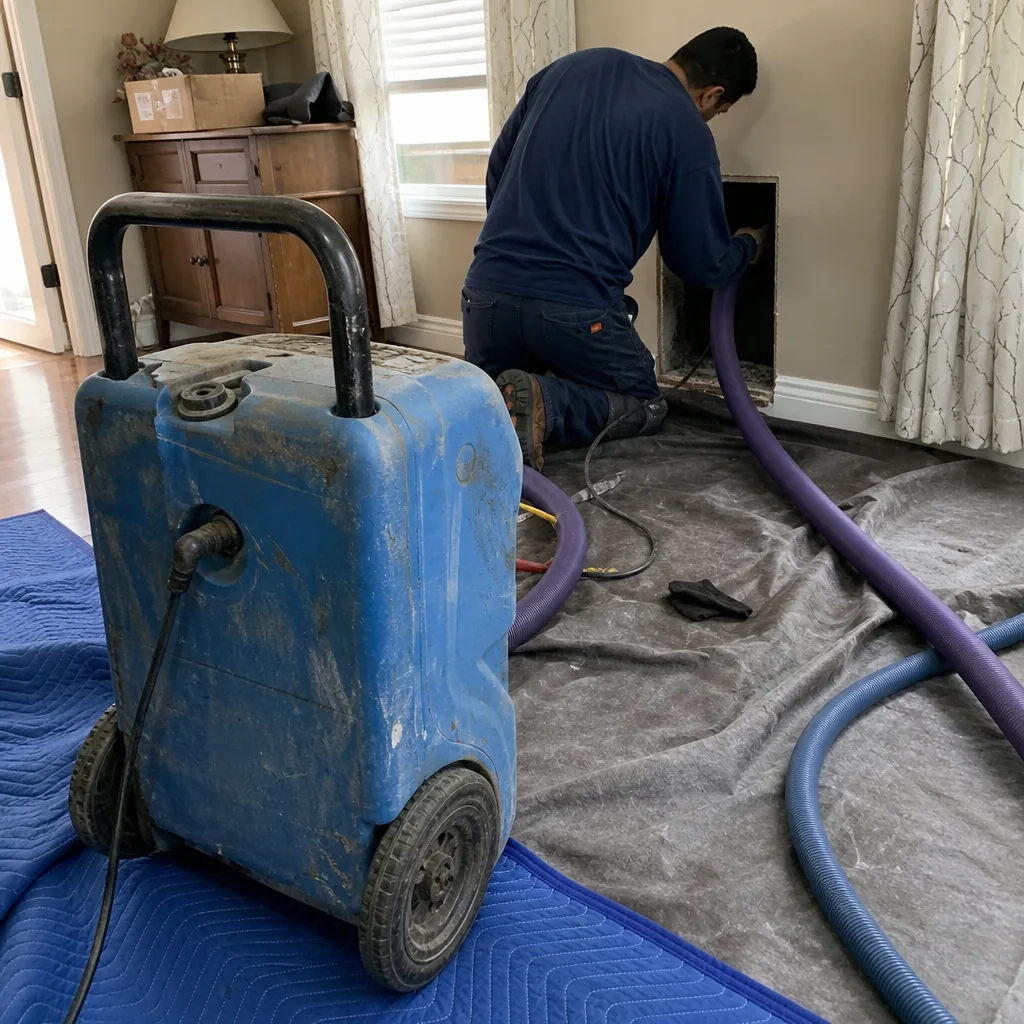 Before
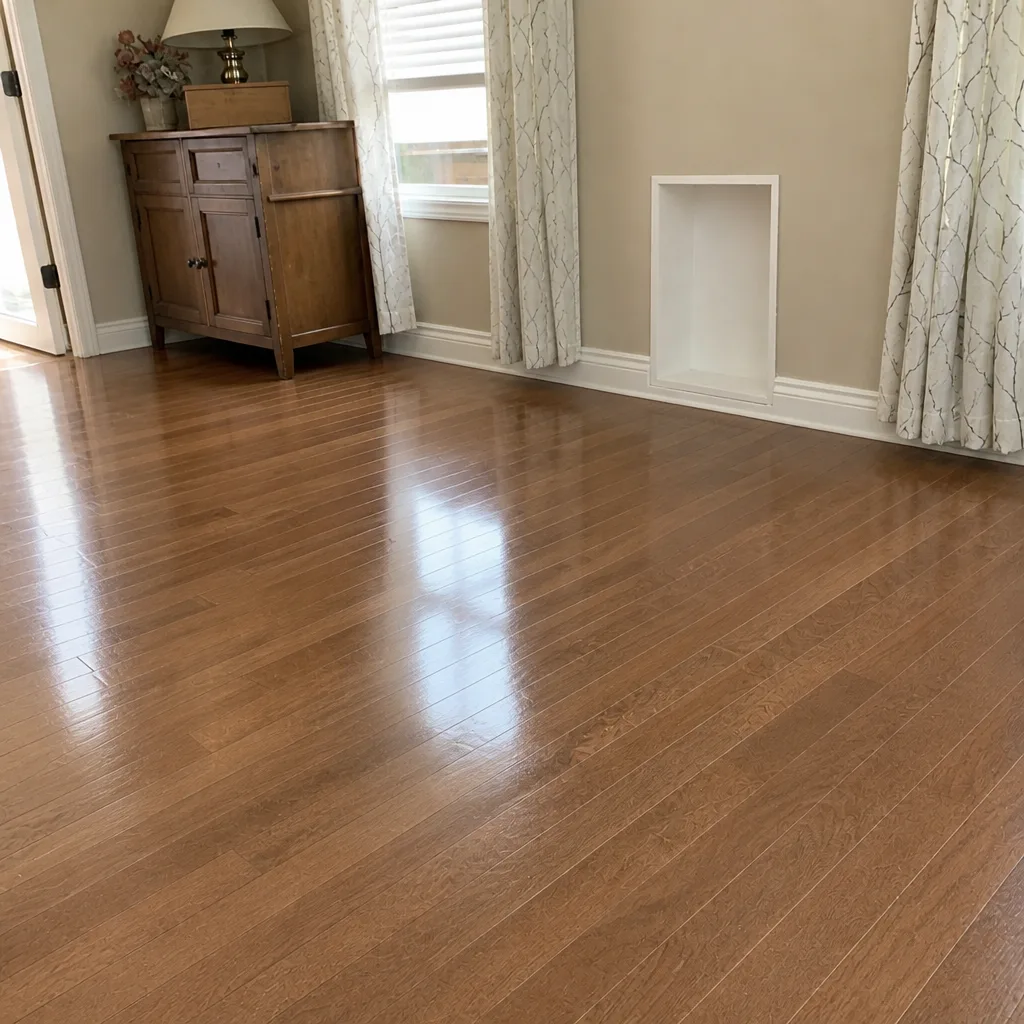 After
When to Call a Professional
Call a professional when you’ve found two or more monitor-level signals in different categories, when a blower wheel or coil face is suspected of being dirty, when a flex duct run is torn, sagging, or disconnected, when you’ve had recent remodeling, pest activity, or a long period of not knowing when the system was last cleaned, or when the dryer vent cap shows packed lint or restricted air. Those are all cases where the right answer involves equipment and inspection, not more monitoring.
South Hill Air Duct Cleaning offers free estimates in South Hill. Call (855) 510-1735. We answer 24/7. Fast dispatch from 7am to 7pm, Sunday through Friday. Our technicians have up to 14 years of experience, and we work with equipment from Rotobrush, Nikro, Abatement Technologies, Honeywell, Aprilaire, and Guardsman so we can clean, repair, and recommend filtration in the same visit.
Frequently Asked Questions
Every two to three years for most South Hill homes, sooner if there’s been remodeling, pest activity, or a long gap in maintenance. Homes with pets, allergy-sensitive occupants, or recent construction usually fall on the shorter end. The right answer depends on what the system is actually collecting, so an inspection and a look at the blower and coil beats a calendar rule. Call (855) 510-1735 for an exact quote – estimates are free.
Checking your filter and its housing monthly, and learning to read the register story. Those are the two things a homeowner can do that actually catch problems early instead of waiting for a service call. A close second is the exterior dryer vent cap, which almost nobody checks.
Because those are where the dirt that gets past the filter actually collects. In South Hill’s newer homes, it’s common to find relatively clean ductwork attached to a blower wheel caked with dust and a coil face that’s gone gray. A duct cleaning that doesn’t address these components misses most of the problem. Our contact-cleaning and negative-air setup is designed to address the moving parts as well as the runs.
Not effectively, and it can make things worse. Consumer wands agitate dust without containing it, and they don’t reach past the register collar. They can also drive debris deeper into the system. The equipment that cleans a system properly involves rotary contact tools and HEPA-rated negative-air machines, which is what we use. For a homeowner, the inspector role – filters, registers, visible flex, dryer vent cap – is genuinely useful and genuinely yours. The cleaning role is best left to professional equipment.
Ask for before-and-after photos of your own ducts, not a stock image, and ask for a written summary of what the technician found and what was done. A technician who can’t explain what they found either didn’t look closely enough or is hoping you won’t ask. We document conditions before and after for exactly this reason. Call (855) 510-1735 for an exact quote – estimates are free.
Usually because the scope is smaller than it appears. A low quote often covers only the register-to-branch run, not the trunk, plenum, blower, or coil, and it may not include the equipment needed to contain dust during the process. That’s how a $99 coupon turns into a much larger invoice once the technician is on site. Ask before booking what’s included – full-system cleaning, blower and coil inspection, before-and-after photos, and a written summary. Then compare.
The Bottom Line
Your job as a homeowner is inspection and rhythm. Filters monthly, registers seasonally, dryer vent cap seasonally, books like your maintenance log kept current. Your technician’s job is the blower, the coil, the plenum, the flex duct runs, and any sealing or repair those need. The most common mistake in South Hill isn’t skipping duct cleaning – it’s cleaning the ducts and never looking at what’s actually moving the air. Look at the small pieces on your own, hand off the big ones, and log both. If you’d like a professional look at any part of this checklist, call (855) 510-1735 for a free estimate. We answer 24/7. Fast dispatch from 7am to 7pm, Sunday through Friday.
Written by the team at South Hill Air Duct Cleaning.